

Filters
Shopping Options
Plasterboard

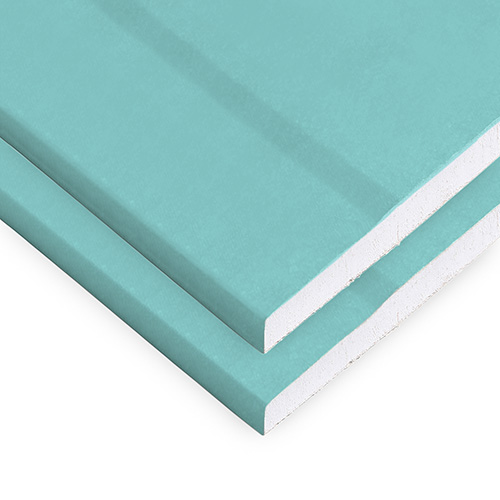
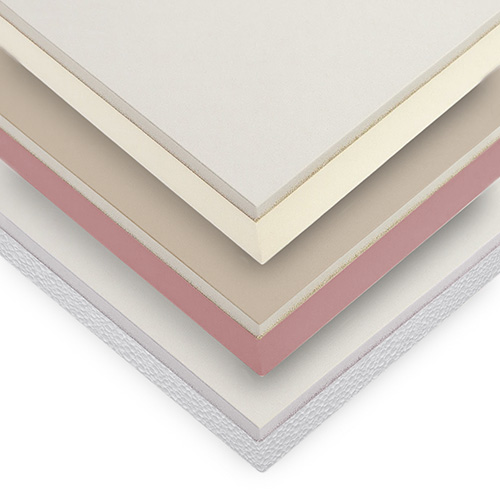
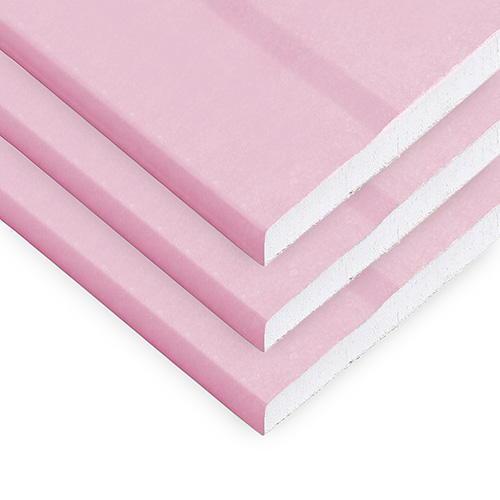

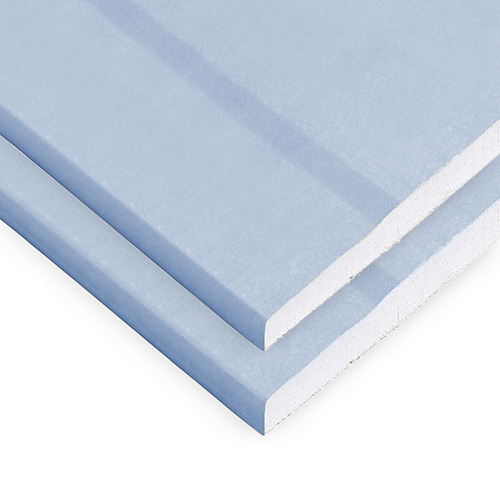
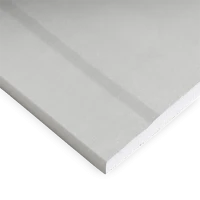 12.5mm Standard Plasterboard Tapered Edge 2400mm x 1200mm (8' x 4')-£0.55£10.19 £8.49 £10.74
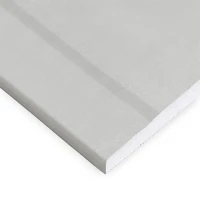 15mm Standard Plasterboard Tapered Edge 2400mm x 1200mm (8' x 4')-£3.60£13.19 £10.99 £16.79
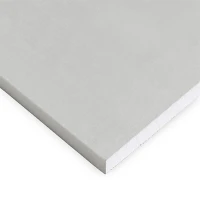 12.5mm Standard Plasterboard Square Edge 1800mm x 900mm (6’ x 3’)-£1.87£7.19 £5.99 £9.06
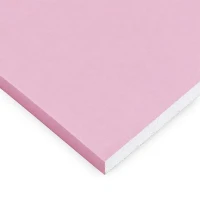 12.5mm Fire Rated Plasterboard Square Edge 1800mm x 900mm (6' x 3')-£4.75£9.59 £7.99 £14.34
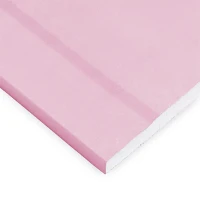 12.5mm Fire Rated Plasterboard Tapered Edge 2400mm x 1200mm (8' x 4')-£2.71£14.39 £11.99 £17.10
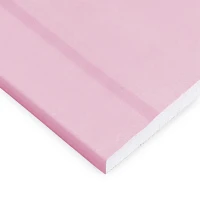 15mm Fire Rated Plasterboard Tapered Edge 2400mm x 1200mm (8' x 4')-£6.61£16.79 £13.99 £23.40
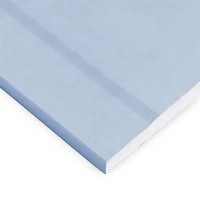 12.5mm Acoustic Plasterboard Tapered Edge 2400mm x 1200mm (8' x 4')-£2.76£14.39 £11.99 £17.15
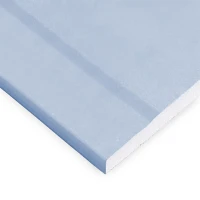 15mm Acoustic Plasterboard Tapered Edge 2400mm x 1200mm (8' x 4')-£7.15£16.79 £13.99 £23.94
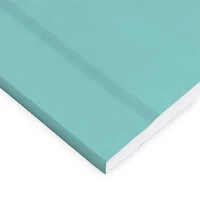 12.5mm Moisture Resistant Plasterboard Tapered Edge 2400mm x 1200mm (8' x 4')-£9.01£14.39 £11.99 £23.40
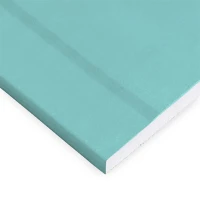 15mm Moisture Resistant Plasterboard Tapered Edge 2400mm x 1200mm (8' x 4')-£4.75£20.39 £16.99 £25.14
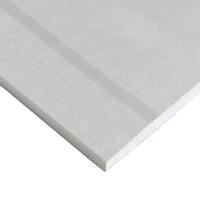

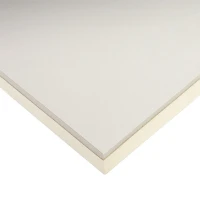
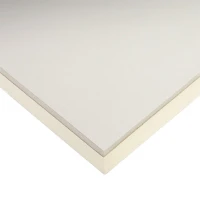
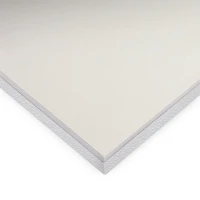
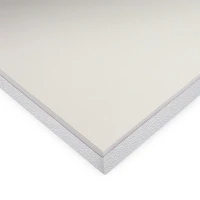
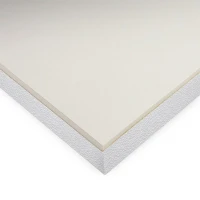
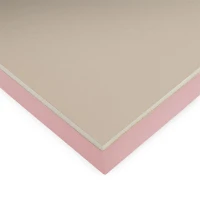
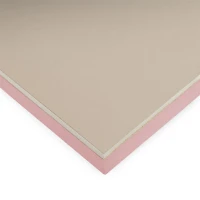
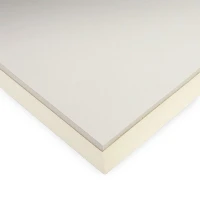
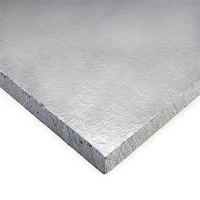
What Is Plasterboard and Where Is It Used?
Plasterboard is a gypsum-based sheet material used to create smooth internal walls, ceilings, partitions and drylining systems. It can be fixed to framing or bonded to suitable, dry masonry using a compatible plasterboard adhesive where the selected board permits it. Specialist plasterboards are also available where a project requires improved moisture, thermal, fire, vapour-control or acoustic performance.
Choosing the Right Plasterboard for Your Project
The correct board depends on the room conditions, supporting structure, required performance and intended finish. A general internal partition may only need a standard board, while a bathroom ceiling, insulated external wall lining or fire-rated enclosure will require a more suitable specialist option.
Before ordering, check:
- Room conditions – Identify whether the area is dry, humid or exposed to regular water contact.
- Required performance – Confirm whether thermal, acoustic, fire or vapour-control performance is needed.
- Installation area – Plasterboard for walls and plasterboard for ceilings may need different support and fixing arrangements.
- Supporting structure – Check whether the boards will be fixed to timber, metal framing, joists, battens or masonry.
- Finishing method – Select an edge profile suited to taping and jointing or full-surface skimming.
- Site access – Confirm that the chosen sheet size can be safely moved into the working area.
Do not choose plasterboard by colour, thickness or price alone. The selected board must suit the complete wall or ceiling build-up and the conditions in which it will be installed.
Comparing Standard and Specialist Plasterboard Types
The main types of plasterboard are designed for different applications, so they should not be treated as interchangeable.
- Standard Plasterboard – Suitable for general internal walls, ceilings and partitions in ordinary dry rooms.
- Moisture Resistant Plasterboard – Designed for humid internal areas such as bathrooms, kitchens and utility rooms, but not as a standalone waterproof barrier.
- Insulated Plasterboard – Combines a plasterboard facing with bonded insulation for suitable internal wall upgrades.
- Fire Rated Plasterboard – Used within specified walls and ceilings requiring improved fire resistance.
- Foil Backed Plasterboard – Helps control water-vapour movement within suitable wall, ceiling and roof constructions.
- Acoustic Plasterboard – Uses increased board mass to improve sound resistance within appropriate drylining systems.
- Tile Backer Boards – Provide stable tiling backgrounds for suitable walls, floors and wet-area systems.
Where several performance requirements apply, such as moisture and fire resistance, the board and complete construction should be checked against the project specification before installation.
Choosing the Right Board Thickness, Size and Edge Type
Plasterboard sheet dimensions affect handling, installation speed, joint quantity and waste. Larger boards cover more area and create fewer joints, while smaller sheets may be easier to carry through stairways, loft openings and restricted rooms.
Common plasterboard thicknesses include 9.5mm, 12.5mm and 15mm, although insulated boards and tile backer boards use a wider range. The correct thickness depends on the installation area, supporting framework and required construction rather than the assumption that the thickest board is always best.
The edge profile affects how the surface is finished:
- Tapered edge – Recessed long edges allow joint tape and compound to sit closer to the board face, creating a flatter jointed finish.
- Square edge – Commonly selected where the complete surface will be plaster skimmed.
Measure every wall or ceiling separately and check the coverage of the chosen plasterboard sheets. Include a reasonable allowance for cuts, openings and damaged edges, but avoid ordering excessive material where the layout can be planned efficiently.
Plasterboard for Walls, Ceilings and Internal Partitions
Plasterboards can be fixed to timber or metal framing, attached to suitable battens or bonded to prepared masonry where the system allows. Plan insulation, vapour control and service positions before fixing the boards so sockets, pipes and cables do not create avoidable gaps or rework.
Plasterboards for ceilings must be adequately supported because the boards are installed overhead and carry their own weight. Check the board thickness, joist or batten spacing, screw centres and installation direction to reduce the risk of sagging, movement or cracked joints.
For internal partitions, consider the intended use of each room. Privacy, impact resistance, moisture exposure and fire requirements may affect the framing, cavity insulation, board type and number of layers needed.
What Do You Need to Fix and Finish Plasterboard?
A complete drylining installation normally requires supporting materials as well as plaster boards. Planning these items with the board order can prevent delays and incompatible products being used on site.
Common requirements include:
- Timber studs, metal studs, tracks or ceiling framing
- Drywall screws and suitable mechanical fixings
- Compatible drylining adhesive for approved direct-bond applications
- Joint tape and jointing compound
- Finishing plaster where a skim coat is required
- Corner beads and stop beads
- Suitable acoustic, fire or perimeter sealants where specified
- Cutting, measuring, lifting and sanding tools
- Appropriate PPE and dust control
The correct materials depend on the selected board and substrate. Boards should be stored flat, kept dry and protected from damaged corners and edges before installation.
Buy plasterboard online from MGN Builders Merchants with delivery available across London, Essex, Kent and surrounding areas. Check the product page for current stock, delivery dates and postcode availability, including plasterboard next day delivery where offered.
FAQs
How do you cut plasterboard?
Mark the cutting line with a straight edge and score the face paper using a sharp utility knife. Snap the board along the scored line, then cut through the backing paper to separate the section. Use a plasterboard saw for sockets, curves and internal openings, with suitable dust control where needed.
Can you paint plasterboard?
Yes, plasterboard can be painted once the joints, screw heads and surface imperfections have been fully finished. The surface should be clean, dry and smooth before decorating. Apply a suitable primer or mist coat to promote even paint absorption and adhesion.
Can you tile onto plasterboard?
Tiles can be fixed to suitable plasterboard in dry internal areas when the board, adhesive and tile weight are compatible. Direct wet zones usually require a moisture-resistant board, tile backer board or approved waterproofing system. Check the allowable tile loading and preparation requirements before installation.
How much is plasterboard?
Plasterboard prices vary according to sheet size, thickness, board type, brand and order quantity. Compare the cost per square metre as well as the price per sheet, because larger boards cover more area. Include expected waste and the cost of fixings, adhesive and finishing materials when budgeting.
Can you paint directly onto plasterboard?
Bare plasterboard can be painted directly only after the joints and screw heads have been properly filled and sanded. A suitable plasterboard primer should be applied before the finishing coats to reduce uneven absorption. Freshly skimmed plaster requires a compatible mist coat once it is fully dry.
How do you dispose of plasterboard?
Plasterboard should normally be separated from general building waste and taken to a facility that accepts gypsum products. Clean offcuts may be recycled through a suitable plasterboard or construction-waste service. Check the local recycling centre or licensed waste contractor before transporting larger quantities.
How do you tape and joint plasterboard?
Apply joint tape over the board joints and cover it with compatible jointing compound. Build the finish in thin coats, feathering each layer wider and allowing it to dry before sanding. Use suitable dust control and respiratory protection when sanding the final surface.
How do you screw into plasterboard?
Use fixings designed for hollow plasterboard when attaching light items where no framing is available. Heavier loads should be secured into timber studs, metal framing or suitable reinforcement behind the board. Check the fixing manufacturer’s load rating before installation.
What drill bit should you use for plasterboard?
Choose the drill bit according to the fixing and the material behind the board. A standard drill bit can form a pilot hole in plasterboard, while masonry behind it requires a masonry bit and some self-drilling fixings require no pilot hole. Check for concealed pipes and cables before drilling.