

Filters
Shopping Options
Moisture Resistant Plasterboard
Moisture resistant plasterboard is designed for internal areas where everyday humidity is higher, such as bathrooms, kitchens, utility rooms and laundry spaces. It provides a more suitable board choice than standard plasterboard in moisture-prone rooms, while still needing the correct fixing, sealing and finishing system for long-term performance.
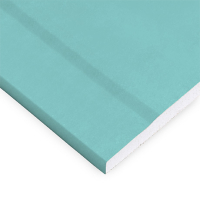 12.5mm Moisture Resistant Plasterboard Tapered Edge 2400mm x 1200mm (8' x 4')-£9.01From £14.39 £11.99 From £23.40
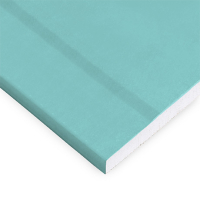 15mm Moisture Resistant Plasterboard Tapered Edge 2400mm x 1200mm (8' x 4')-£4.75From £20.39 £16.99 From £25.14

What Is Moisture Resistant Plasterboard?
Moisture resistant plasterboard is a gypsum-based board designed for internal areas where humidity, steam and condensation are more common than in standard dry rooms. It is a more suitable choice than standard plasterboard for humid walls and ceilings when installed, jointed, sealed and finished as part of the correct system. It should not be treated as a waterproof barrier in areas with regular direct water contact, where a suitable waterproofing system is usually required.
Before You Buy: Match the Board to the Room
Choosing the right moisture plasterboard starts with understanding the room, not just the board size. A bathroom ceiling, a kitchen wall behind units and a utility room partition can all face moisture, but they do not always face the same level of exposure.
- Bathroom walls - Plasterboard for bathrooms is useful where humidity is high but direct wet contact is avoided.
- Bathroom ceilings - Helps line ceilings exposed to steam and condensation from showers and baths.
- Kitchen walls - Plasterboard for kitchen projects suit areas affected by cooking steam and humidity.
- Utility rooms - Suitable where washing machines, dryers and sinks increase moisture levels.
- Internal partitions - Helps provide a more suitable board choice in moisture-prone rooms.
- Refurbishment work - Useful when replacing standard plasterboard in rooms affected by damp air.
Moisture resistant plasterboard for walls is a sensible choice where standard plasterboard may be more vulnerable over time. Moisture resistant plasterboard for ceilings can help provide a more suitable lining above bathrooms, kitchens and utility spaces, especially where condensation is likely to collect.
Moisture Resistant vs Water Resistant Plasterboard
Water resistant plasterboard is a common phrase customers use, but it can create the wrong expectation. Moisture resistant plasterboard is designed to cope better with humid conditions, not to act as a waterproof barrier by itself.
This distinction is important in wet zones. Shower enclosures, wet rooms and areas receiving regular direct water contact usually need a complete waterproofing system. Depending on the project, that may include tanking, waterproof membranes, tile backing boards, suitable sealants or specialist wet-area boards.
The best way to think about it is simple: moisture resistant board is suitable for humid room environments, but not as a standalone solution where water is repeatedly hitting the surface. This helps avoid over-specifying it in the wrong place or under-specifying a room that needs more protection.
Why Tapered Edge Plasterboard Helps with Jointing and Finishing
Tapered edge plasterboard is useful where boards need to be jointed and finished neatly. The recessed long edges allow jointing tape and compound to sit into the board surface, helping create a flatter finish before decorating, skimming or preparing for another surface treatment.
This matters more on full-size 2400mm x 1200mm sheets, because large wall and ceiling areas rely on clean board joints to achieve a professional finish. In moisture-prone rooms, the finish also needs careful attention because gaps, poor sealing or weak jointing can become problem points over time.
For bathrooms and kitchens, the board is only one part of the finished system. Correct fixing, jointing, sealing, ventilation and the final decorative or tiled surface all affect how well the wall or ceiling performs once the room is in use.
Choosing the Right Board Thickness (12.5mm and 15mm)
Moisture resistant plasterboard is best used in internal rooms where humidity is expected, but where the board can be kept out of continuous water exposure. The 12.5mm moisture resistant plasterboard is commonly used for general wall and ceiling lining, while 15mm moisture resistant plasterboard is better suited where a stronger, more rigid board is required, such as ceilings or areas needing improved durability.
Good applications include:
- Bathroom ceilings: Both 12.5mm and 15mm boards are suitable, with 15mm often preferred for ceilings due to added rigidity and reduced sag risk.
- Kitchen wall linings: 12.5mm boards are commonly used for standard wall applications where moisture levels are moderate.
- Utility spaces: Ideal for laundry and drying areas, with 12.5mm for walls and 15mm where extra strength is beneficial.
- Ceiling installations: 15mm boards are often chosen for ceilings to provide a more solid finish and improved performance over time.
- Room upgrades: A better choice than standard board when refurbishing moisture-prone rooms, with thickness selected based on structural needs.
- Non-wet wall areas: Suitable away from direct shower spray and regular water contact, typically using 12.5mm for ease of installation.
- Full-board planning: 2.88m² board coverage helps estimate how many sheets are required.
Areas needing extra care include shower walls, wet rooms, splash-heavy zones and any surface exposed to repeated direct water. In these cases, moisture resistant plasterboard may still be part of the wider build-up, but it should not be the only moisture-control measure.
Standard Plasterboard vs Moisture Resistant Plasterboard
Standard plasterboard and moisture resistant plasterboard are used for different internal conditions. Standard plasterboard is suitable for dry rooms such as bedrooms, hallways, living rooms and general partitions, while moisture resistant plasterboard is designed for areas where humidity, steam and condensation are more common, such as bathrooms, kitchens, utility rooms and laundry areas.
The best choice depends on the room environment and the level of moisture exposure. Standard plasterboard is usually the more cost-effective option for normal drylining work, but moisture resistant boards offer better durability in rooms where standard boards may be more likely to weaken, stain or deteriorate over time.
Standard Plasterboard:
- Best for dry internal rooms
- More cost-effective for general projects
- Easier to cut, handle and finish
- Suitable for bedrooms, hallways and living areas
- Not recommended for high-humidity rooms
- More vulnerable if exposed to damp or condensation
Moisture Resistant Plasterboard:
- Best for rooms with higher humidity
- Suitable for bathrooms, kitchens and utility rooms
- Better resistance to moisture in the air
- More durable in condensation-prone spaces
- Suitable as a base for tiling in non-direct wet areas
- Not fully waterproof and should not be used alone in showers or wet rooms
For most dry rooms, standard plasterboard provides a practical and economical solution. For bathroom plasterboard, kitchen plasterboard, or any room where moisture is part of everyday use, moisture resistant plasterboard is the better option.
If the project needs a different type of performance, the board choice should change. For fire-rated walls or ceilings, explore our Fire Plasterboards. For improving thermal performance on cold walls or refurbishment projects, see our Insulated Plasterboard range.
FAQs
What colour is moisture resistant plasterboard?
Moisture resistant plasterboard is usually green or has a green paper facing. This makes it easier to identify separately from standard plasterboard on site. The exact shade may vary by manufacturer, but green plasterboard is commonly used for moisture-resistant boards.
Is moisture resistant plasterboard waterproof?
No, moisture resistant plasterboard is not fully waterproof. It is designed to resist humidity and moisture better than standard plasterboard. It should not be used as the only protection in areas exposed to regular direct water.
Can moisture resistant plasterboard be used in a shower area?
Moisture resistant plasterboard should not be used alone in a shower area. Shower enclosures and wet rooms usually need tanking, waterproof membranes, tile backing boards or another approved wet-area system. The board may only be suitable if it forms part of a properly specified waterproof build-up.
Where should moisture resistant plasterboard be used?
Moisture resistant plasterboard should be used in internal rooms where humidity, steam or condensation are more common. Typical areas include bathrooms, kitchens, utility rooms, laundry rooms and moisture-prone walls or ceilings. It is best used away from direct water contact.
What is the difference between 12.5mm and 15mm moisture resistant plasterboard?
The main difference is board thickness. 12.5mm moisture resistant plasterboard is commonly used for general walls, ceilings and soffits in moisture-prone areas. 15mm moisture resistant plasterboard is a thicker option, often preferred where a more substantial board is required for walls or partitions.
How do you fix moisture resistant plasterboard?
Fix moisture resistant plasterboard to suitable timber or metal framing using appropriate plasterboard screws. Board edges should be supported, and screws should be driven flush without damaging the board face. For ceilings, use the correct board thickness, fixing centres and framing support for the installation.
Can you plaster or skim moisture resistant plasterboard?
Yes, moisture resistant plasterboard can usually be plastered or skimmed. The surface may need a suitable primer or bonding agent because the board face is designed to resist moisture. Always follow the board and plaster manufacturer’s guidance before skimming.
How many moisture resistant plasterboards do I need?
Measure the total wall or ceiling area in square metres. Divide that figure by 2.88m², as one 2400mm x 1200mm sheet covers 2.88m². Add extra allowance for cuts, waste, openings and awkward room shapes.