

Filters
Shopping Options
Composite Cladding
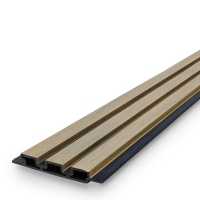
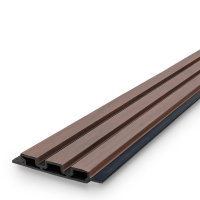
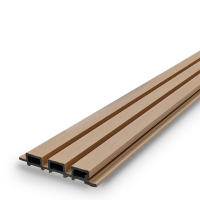
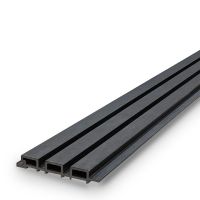
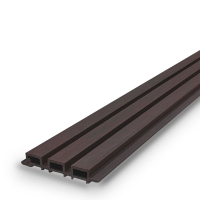
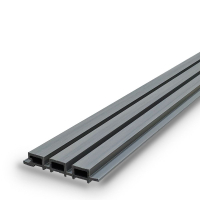
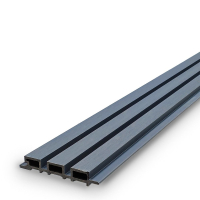
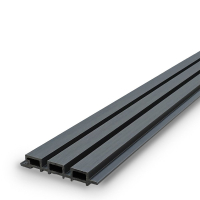
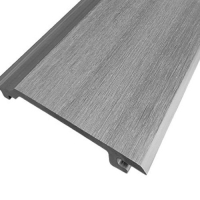

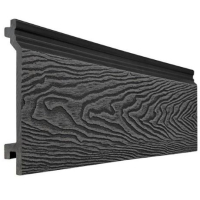
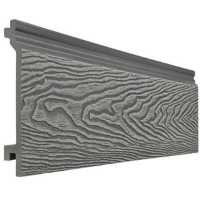
What is Composite Cladding?
Composite cladding replaces traditional timber by merging recycled wood particles with high-strength synthetic polymers. This creates a rigid, weather - resistant exterior layer that does not suffer from splitting, rotting, or the need for frequent surface treatments. Designed for long - term installation, this product offers builders and homeowners a reliable, low-maintenance solution for high-quality composite wall cladding.
Where Is Composite Cladding Commonly Used?
This versatile material fits a wide range of outdoor projects, proving far more practical than standard timber. Common applications include:
-
House Façades & Extensions: Ideal for updating main exterior walls or blending new extensions with existing structures, ensuring a clean, modern finish that lasts.
-
Garden Rooms & Home Offices: A premium choice for standalone outdoor workspaces and summerhouses, where weatherproofing and zero upkeep are essential.
-
Garages & Outbuildings: Replaces high-maintenance wood on sheds and utility buildings, preventing rot in damp or shaded areas.
-
Architectural Feature Walls: Adds visual depth, unique texture, and contemporary character to specific sections of a building or boundary wall.
Reasons to Choose Composite Cladding
Across the UK, composite cladding is regularly specified for exterior wall projects due to its predictable performance and consistent appearance in residential and light commercial settings. When assessed alongside Timber Cladding, it is often preferred in situations where reduced maintenance over time is an important factor. Compared with Fibre Cement Cladding, composite wall cladding provides an alternative material option that offers a different balance of handling characteristics, visual style and overall project suitability.
Key Performance Features of Composite Wall Cladding
-
Low maintenance performance – Composite timber cladding maintains a consistent surface finish without the need for frequent treatments or regular surface sealing.
-
Weather durability – Engineered for long-term exposure, composite cladding boards perform reliably in variable UK weather conditions, including moisture and temperature fluctuations.
-
Uniform manufactured formats – Produced to controlled specifications, composite panel cladding supports accurate alignment and a clean, consistent exterior appearance.
-
Predictable material behaviour – The engineered composition helps maintain dimensional stability and surface consistency when correctly specified and installed.
Specifying Composite Wall Cladding with MGN Builders Merchants
For customers planning exterior wall projects, MGN Builders Merchants supplies a focused selection of composite cladding boards and composite cladding panels suitable for a wide range of applications. Each product is supported by clear technical information, including board dimensions and coverage guidance, enabling accurate quantity calculations and more confident project cost planning.
FAQs
Is composite cladding suitable for external wall applications in the UK?
Composite cladding is suitable for external wall use in the UK because it is engineered to withstand moisture, temperature fluctuations, and year-round weather exposure. This makes it a practical option for exterior walls where a durable and low-maintenance finish is required.
What is the difference between composite wall cladding and timber cladding?
The key difference is that composite wall cladding offers greater dimensional stability and requires significantly less ongoing maintenance than timber cladding. Unlike natural timber, composite materials are less affected by moisture and do not require regular painting, staining, or sealing over time.
Are composite cladding boards low maintenance compared to traditional materials?
Composite cladding boards are considered low maintenance because they retain their finish without frequent surface treatments. This reduces the need for repainting or sealing compared to many traditional cladding materials, lowering long-term upkeep requirements.
Can composite cladding panels be used for garden rooms and outbuildings?
Composite cladding panels are commonly used on garden rooms, sheds, and other outbuildings due to their durability in exposed outdoor conditions. They provide a stable exterior finish that performs well where consistent appearance and minimal maintenance are required.
What should be considered when specifying composite wall cladding for a project?
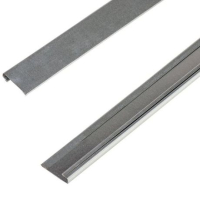
Key considerations include the required coverage, board or panel format, and compatibility with the supporting subframe and fixings system. Allowance should also be made for ventilation, expansion gaps, and suitable trims to support long-term performance.
How is the price of composite wall cladding typically determined?
The price of composite wall cladding is influenced by the selected product range, board or panel format, and the total coverage area required. Overall cost is also affected by factors such as finish, thickness, accessories, and the square metre quantity needed for the project.