

Filters
Shopping Options
Concrete Lintels
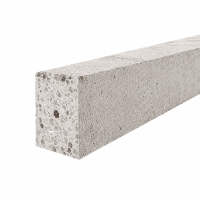
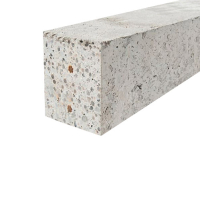
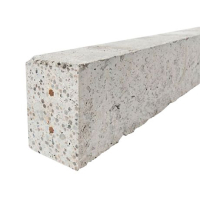
What Are Concrete Lintels?
Concrete lintels act like a hidden “bridge” in your wall, carrying the weight of brickwork above door and window openings so the masonry doesn’t bear directly on the opening. A concrete lintel spreads that load into the surrounding blockwork/brickwork, helping the opening stay stable and true over time.
Precast vs Prestressed Concrete Lintels (What’s the Difference?)
- Precast concrete lintels are produced off-site and arrive as finished units — you’re buying a ready-made beam rather than casting one in place. The key point is that precast describes the manufacturing route, not the performance level on its own.
- Prestressed concrete lintels use tensioned steel strands cast into the concrete, so the lintel starts life “working” against tension from day one. That built-in pre-compression is why these lintels are commonly chosen where a slimmer section or a more demanding span is needed — always confirmed against the manufacturer’s datasheet and span/load tables.
Concrete Lintel Sizes Explained (Width, Depth & Length)
With concrete lintels, the size is really three decisions: the section, the length, and the bearing (support at each end).
-
Width and depth define the lintel’s cross-section — in simple terms, how much wall it sits in and how stiff it is. Deeper sections are typically chosen where openings are wider or loads are higher, while wider sections are usually used to suit thicker wall builds.
-
Length is selected to span the opening plus end bearing, so the lintel can transfer load safely into the masonry at both sides. If you’re comparing concrete lintels sizes on this page, use the filters to shortlist the right section and length range first, then confirm the exact option using the manufacturer datasheet and tables (especially for prestressed concrete lintels).
How to Choose a Concrete Lintel
-
Define the opening and load: door or window (e.g., a concrete door lintel over an external doorway), and whether it supports only masonry above or additional floor/roof loads.
-
If you’re weighing up concrete vs metal options (especially for cavity wall situations), compare against steel lintels before choosing.
-
Match the lintel to the wall build-up: select a section that suits your UK brick/block wall construction.
-
Choose the finish: if the concrete lintel will be visible, pick the appropriate face/finish; if it’s fully built in, appearance is less critical.
-
Verify suitability: shortlist by size and length, then check the manufacturer datasheet and span/load tables for the exact option.
-
Get a quick shortlist: send us the opening width and wall type and we’ll point you to the best match before you order.
What Are Concrete Lintels Used For?
Concrete lintels support masonry over openings such as doors and windows. Depending on the lintel size you choose and the manufacturer span/load tables, they may also be suitable for:
-
Masonry loads above doors and windows
-
Concrete floor loads (where specified)
-
Evenly distributed timber floor loads
-
Roof and attic truss loads (where specified)
-
Concentrated/point loads (only where confirmed in manufacturer tables)
Concrete Lintel Prices: What Affects Cost?
Concrete lintels prices are driven mainly by size and length: longer sections and deeper/heavier profiles typically cost more because they use more material and are commonly selected for more demanding openings. In most ranges, prestressed concrete lintels are priced above basic precast options due to the additional manufacturing process and performance requirements.
What usually makes a lintel cheaper:
-
Shorter lengths (common openings)
-
Standard finishes (built-in applications)
-
Lighter-duty profiles where suitable
What usually makes a lintel more expensive:
-
Longer spans / longer lengths
-
Deeper or wider sections
-
Higher-performance options (often prestressed)
-
Specialist finishes (where visible)
At MGN Builders Merchants, you can compare concrete lintels for sale by size and length to find the best-value option, then confirm suitability using the manufacturer datasheet and span/load tables before ordering.
FAQs
What size concrete lintel do I need?
Start by matching the lintel section (width/depth) to your wall build-up, then choose a length that covers the opening plus end bearing (support at each side). Confirm the final selection using the manufacturer datasheet and span/load tables for the exact lintel and loading condition.
Do concrete lintels need padstones?
Sometimes – padstones may be required to spread the load safely into the supporting masonry, depending on the opening, load and wall type. Whether they’re needed should be confirmed against the manufacturer guidance for the lintel you’re using.
What is the maximum span for a concrete lintel?
There’s no single maximum span for concrete lintels – it depends on the exact size, length, loading and end bearing. Use the manufacturer span/load tables for the specific lintel and wall detail to confirm the allowable span.
How much weight can a concrete lintel support?
A concrete lintel’s load capacity depends on its size and length, the load type (evenly distributed vs point loads), and the end bearing provided. Check the manufacturer load/span tables for the specific lintel to confirm capacity for your scenario.
How much does a concrete lintel cost?
Concrete lintel cost is mainly driven by length and section – longer and deeper/heavier lintels typically cost more. Compare prices by size and length, then choose the best-value lintel that still meets the manufacturer tables for your opening.
Concrete Lintel vs Steel Lintel: Which One Should You Choose?
Choose a concrete lintel for standard masonry openings, and a steel lintel where your wall detail (often cavity construction) requires a steel profile. Always confirm suitability using the relevant manufacturer tables for the lintel type.
Are concrete lintels structural (load-bearing) elements?
Yes – concrete lintels are structural, load-bearing elements that carry masonry (and sometimes additional loads) over openings. The actual capacity depends on the lintel specification and must be confirmed using the manufacturer datasheet/span tables.