

Filters
Shopping Options
Measuring & Layout Tools

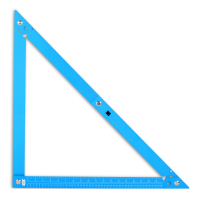
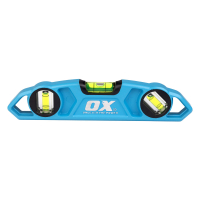
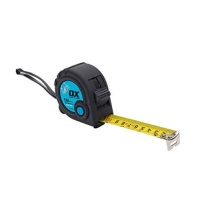
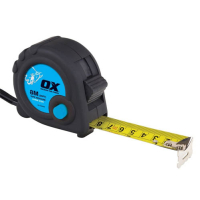
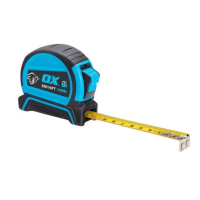
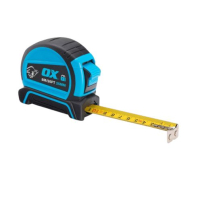
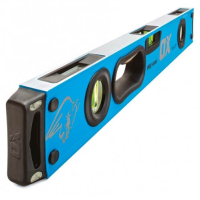
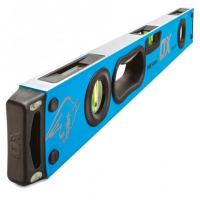
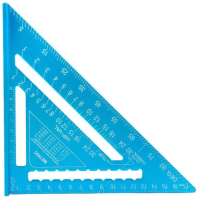
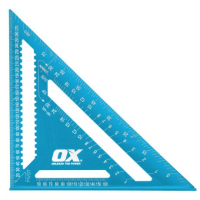
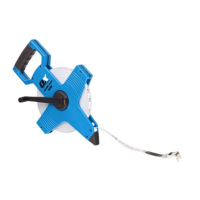

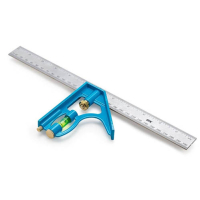
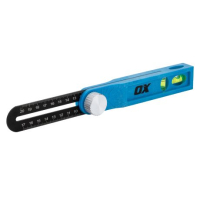
Measuring & Layout Tools for Building and DIY
Measuring tools help you check dimensions, position materials and mark out work before cutting or fixing. The right choice depends on what you need to check: a length, a level surface, a right angle or an existing angle you want to copy.
For building, carpentry and DIY jobs, think about three tasks:
- Measuring distances: checking room dimensions, material lengths and fixing positions.
- Checking alignment: making sure shelves, frames and other components are level or upright.
- Setting out angles: marking square cuts, checking corners and transferring angles between surfaces or pieces.
These tasks often need more than one tool. A measurement tells you where something should go; checking level and square helps confirm that it sits correctly.
Measuring Lengths and Positioning Materials
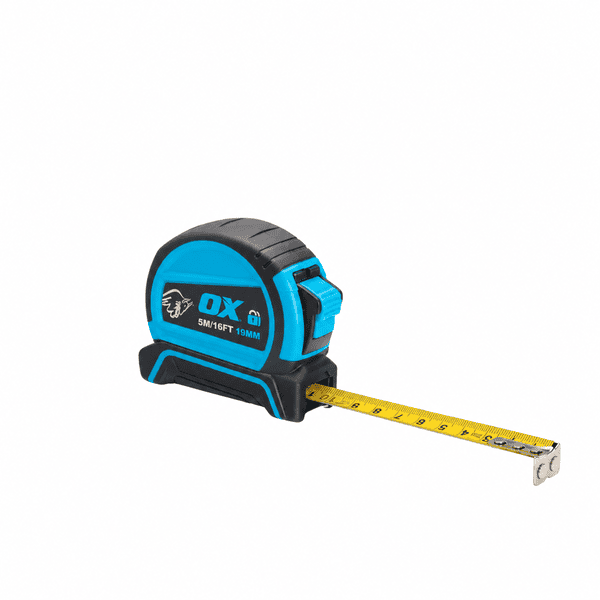
Before choosing a measuring tool, consider the distances involved and how much room you have to work. A compact tape is convenient for checking timber, sheet materials and fittings, while a longer tape is useful for larger areas.
Our range includes compact tape measures for everyday jobs and longer tapes for larger areas. Compare the measuring range, readable markings and handling features to find an option that suits the work you do.
When setting out several fixing points or cutting matching pieces, work from a consistent reference edge or point. Keep units consistent and double-check the measurement before making a cut or drilling a hole. This is especially useful when fitting materials into an existing space, where dimensions may vary from one end to the other.
Checking Level and Upright Alignment
Getting the dimensions right is only the first step. A shelf can be the right length and still slope, while a door lining can fit the opening without being upright.
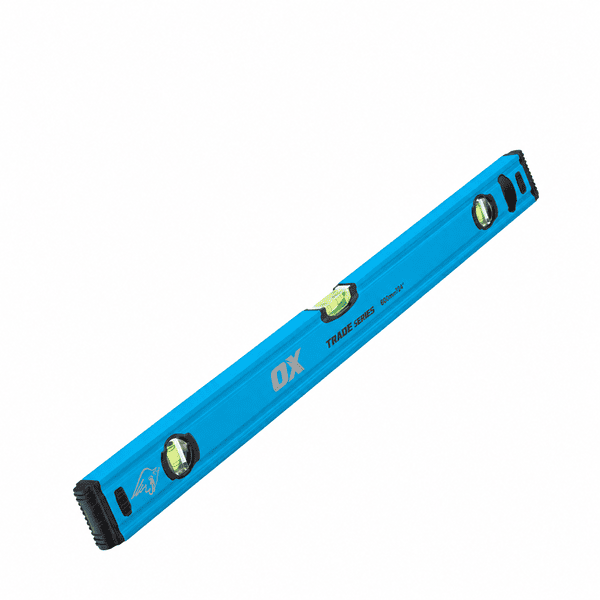
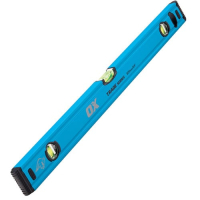
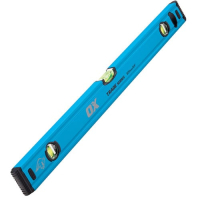
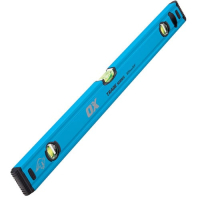
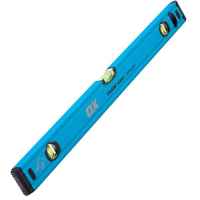
Use spirit levels to check horizontal and vertical alignment during installation. Choose a length that suits the surface and leaves enough room to position the tool properly.
- Confined spaces: a compact level is easier to place between obstructions.
- Longer surfaces: a longer level spans more of the surface you’re checking.
- Repeated checks: readable vials and a comfortable grip make the tool easier to use throughout the job.
Check alignment as you position and secure components. Waiting until everything is fixed in place can mean undoing work that was otherwise correctly measured.
Marking Right Angles and Copying Existing Angles
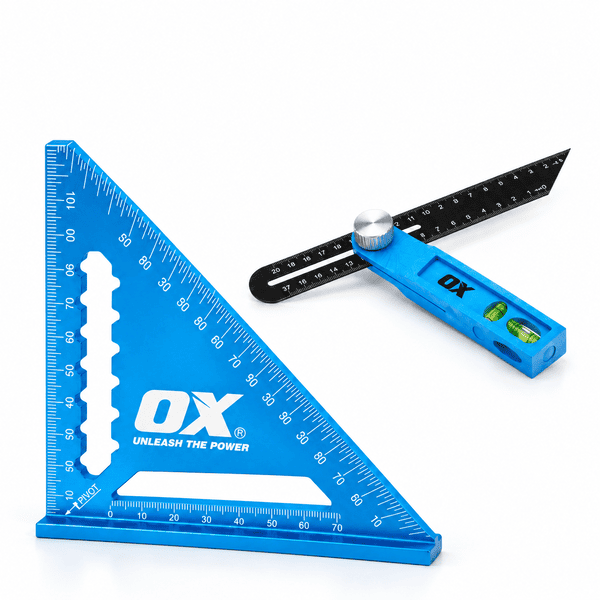
Use layout tools to mark cutting lines and fixing positions from your measurements. A tape gives you the distance from an edge, while a square provides a reference for marking across it. A sliding bevel lets you copy an existing angle when the work isn’t square.
Explore our squares and bevels for checking right angles, marking timber and transferring angles. Choose according to the size of the workpiece and whether you need a fixed reference or an adjustable blade.
Keep the tool firmly against a clean reference edge when marking. For repeated pieces, use the same reference face and check the first piece for fit before marking the rest. It’s a simple way to catch a small error before repeating it across the job.
FAQs
What measuring tools do I need for building and DIY?
A tape measure, spirit level and suitable square cover many everyday jobs, from cutting timber to fitting shelves and frames. Together, they let you check dimensions, right angles and whether something is level or upright. Add other tools when you need to measure longer distances or copy an existing angle.
What are layout tools used for?
Layout tools help you mark where materials should be cut, drilled or positioned. Squares provide references for marking angles, while sliding bevels copy an existing angle onto another piece. Once you’ve measured, layout tools help you put the marks in the right place.
Do I need both a square and a spirit level?
They check different things: a square checks the angle between edges or surfaces, while a spirit level checks whether something is horizontal or upright. A frame can have square corners and still lean when installed. Using both helps you check its shape and position.
Should I choose metric or imperial measuring tools?
Use the units shown on your plans or project instructions. A tool with both scales is useful when you regularly switch between millimetres and inches. Keep your measurements and marks in the same units throughout each task to avoid conversion mistakes.
How can I copy an angle without knowing its measurement?
A sliding bevel lets you copy an angle without reading it in degrees. Set the blade against the existing angle, lock it in place and use it to mark the same angle on another piece. Our squares and bevels range includes tools for transferring angles and marking right angles.
Why do I get different measurements when checking the same work?
Check that you’re measuring from the same reference point, using the same units and holding the tool in the same position. Dirt under a measuring face, movement while reading or a damaged edge can also change the result. If the readings don’t match, check your setup again before cutting or fixing.
How should I store measuring and layout tools?
Wipe off dust, grit and moisture before putting tools away. Protect blades, measuring faces and vials from knocks, and keep heavier tools from resting on them. After a drop or impact, inspect the tool and check its readings before relying on it for the next job.