
Paint

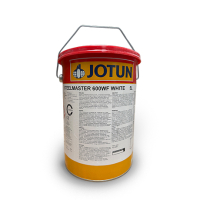 Jotun SteelMaster 600WF White Intumescent Paint for Steel 5L-£14.56From £109.25 £91.04 From £123.80
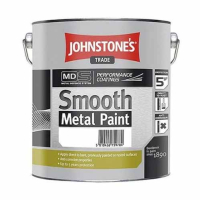 Johnstone's Smooth White Metal Paint 750ml-£3.31From £20.23 £16.86 From £23.54
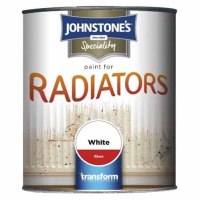
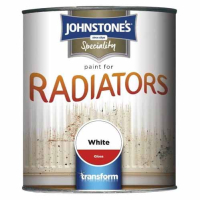
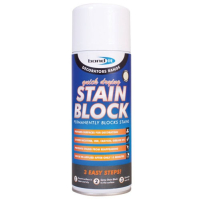
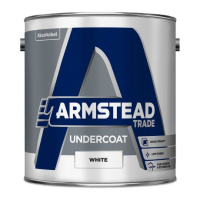
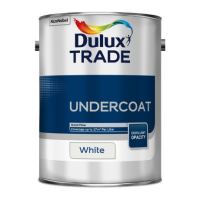
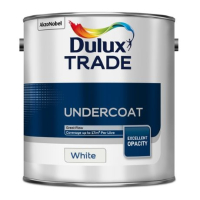
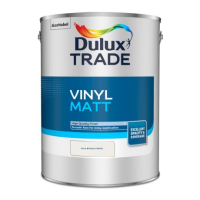 Dulux Trade Pure Brilliant White Vinyl Matt Emulsion Paint 5LFrom £46.20 £38.50
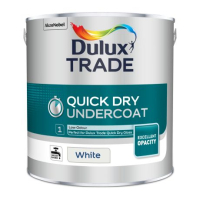
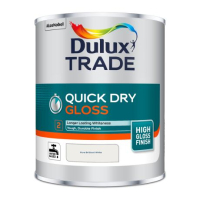
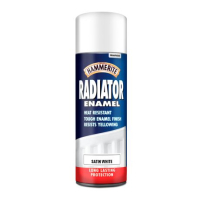
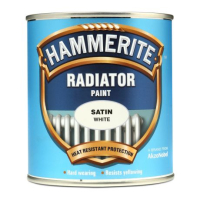
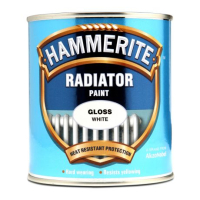
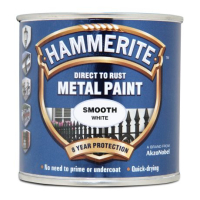
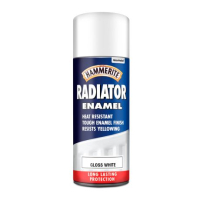
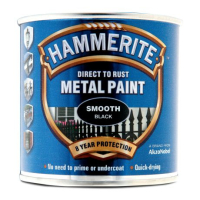


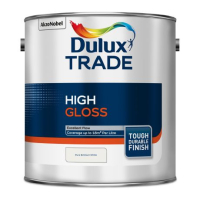
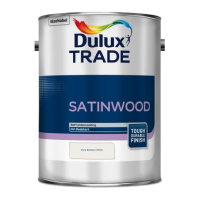
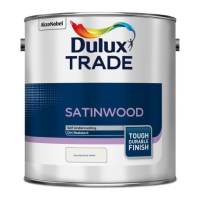
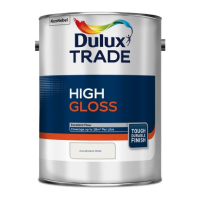
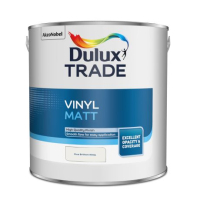
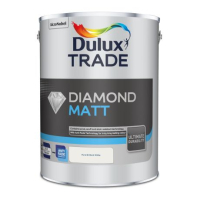
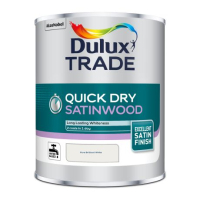
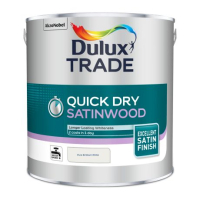
Not Sure Which Paint You Need? Start with the Job, Surface & Finish
Choosing the right paint starts with three questions: what surface are you painting, where is it located and what do you need the finished coating to do? Walls, timber, metal, masonry, floors and radiators can all need different products, while interior and exterior surfaces face different conditions. Finish also affects appearance, cleanability and how noticeable surface imperfections may be. Make these decisions before choosing colour or pack size and the range becomes much easier to narrow down.
Water-Based, Solvent-Based or Oil-Based Paint: What’s the Practical Difference?
The base of the paint affects drying, application, clean-up and which preparation products should be used with it.
Water based paint
- Usually dries and becomes ready for recoating faster.
- Brushes and rollers can normally be cleaned with water.
- Often suits projects where quicker turnaround and easier clean-up are priorities.
Solvent based paint
- Usually provides more working time before the coating begins to set.
- Tools may need the recommended solvent or cleaner after use.
- Drying and recoating commonly take longer than with comparable water-based systems.
Oil based paint
- Usually refers to a traditional solvent-based system using an oil or alkyd-type binder.
- Commonly found in suitable wood and metal paint systems.
- Should be matched with compatible primers, undercoats and existing coatings.
There is no single best formulation for every project. Check the surface, application and complete coating system before deciding between water- and solvent-based options.
Choosing the Right Paint Finish for the Look & Performance You Need
Finish controls more than shine. Matt finishes reflect less light and can give walls and ceilings a flatter appearance, while silk and soft sheen introduce more reflection and can offer different cleaning characteristics depending on the product. Eggshell and satin provide a more noticeable sheen, while gloss creates a highly reflective finish commonly associated with suitable woodwork and metal.
The right finish therefore depends on both appearance and use. Frequently touched or cleaned areas may need different performance from a low-traffic ceiling or decorative wall, and not every finish is suitable for every substrate. Once you know the level of sheen and performance you need, explore our Shop by Finish categories to compare the most suitable options.
How Much Paint Do You Need Without Buying Too Much or Running Short?
Start with the area being painted, the coverage stated per litre and the number of coats required. A useful calculation is:
Surface area × number of coats ÷ stated coverage per litre = estimated litres required.
Treat this as a starting point rather than an exact guarantee. Porous or textured surfaces, significant colour changes and application losses can increase consumption, so allow a sensible margin when ordering rather than trying to match the theoretical quantity exactly.
Painting a Whole Room: Do Walls, Woodwork & Radiators Need Different Paint?
Usually, yes. Walls and ceilings commonly use suitable emulsion systems, while doors, frames and skirting need products designed for the timber or existing coating underneath. Radiators repeatedly heat and cool, so their coating must also be approved for heated metal surfaces.
Bare timber may need primer and undercoat, exposed metal can require its own preparation system, and previously painted surfaces should be checked for sound adhesion before recoating. You can coordinate the same or similar colours throughout a room, but the correct formulation may change between surfaces.
Once you understand what each surface requires, our Shop by Application section lets you narrow the choice by the actual job rather than guessing from colour or finish alone.
Buying Paint Online: What Should You Check Before Ordering?
When you buy paint online, check the product specification before focusing on price or pack size. Confirm the intended surface, interior or exterior suitability, finish, colour, coverage, expected number of coats, drying and recoating requirements, and whether a separate primer or undercoat forms part of the system.
The same applies when comparing trade paint with other decorating products: judge each paint by what it is designed to do rather than assuming one label makes it suitable for every project. Where preparation coats are required, choose the appropriate Primer Paint or Undercoat Paint before the finishing coat.
Finally, plan the application as well as the paint itself. The correct brush, roller, tray, masking and preparation equipment from our Decorating Tools range helps you apply the chosen system properly rather than treating tools as an afterthought.