

Filters
Shopping Options
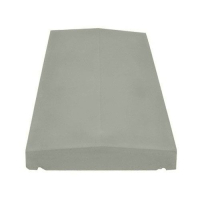
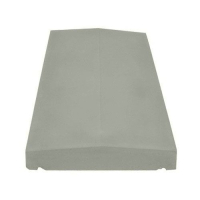
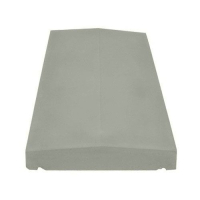
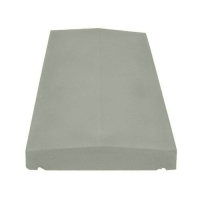
Concrete Coping Stones
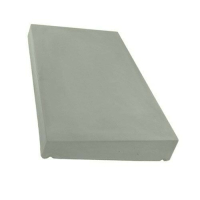
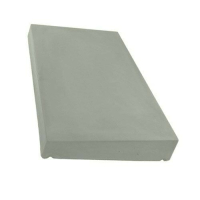
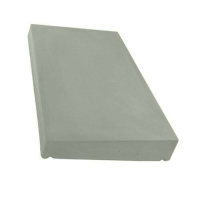
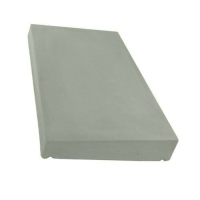
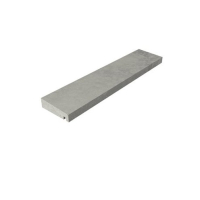
What Are Concrete Coping Stones?
Concrete coping stones are used to cap the top of a wall and stop rain from soaking into the brickwork below. Coping stones also give the wall a tidy, finished edge and are commonly fitted on garden, brick and parapet walls to reduce long-term weather damage.
Types of Concrete Coping Stones
-
Once weathered coping stones – shaped with a single fall to help rainwater run away from the wall, making them a common choice for most external walls.
-
Twice weathered coping stones – formed with slopes to both sides, allowing water to shed evenly and often used on free-standing and parapet walls.
-
Flat coping stones – a level wall cap used where a simple, clean finish is preferred on garden and boundary walls.
-
Square coping stones – straight-edged units suited to traditional wall layouts and uniform brickwork.
-
Bullnose coping stones – finished with a rounded front edge to soften the look of exposed wall tops where coping remains visible.
Concrete Coping Stone Sizes and Fit
Coping stone size is selected to match the wall thickness so the coping fully covers the masonry and provides a slight overhang on each side. This overhang helps rainwater drip clear of the wall face rather than running down the brickwork.
For most projects, 300mm coping stones, 250mm coping stones and 200mm coping stones are commonly used for coping stones for brick walls, depending on whether the wall is single brick, double brick or block construction. Choosing a coping that is too narrow can leave the wall edges exposed, while oversized coping can look heavy and sit unevenly.
Correct fit also affects long-term performance. A well-sized coping stone sits securely on the wall, sheds water efficiently and reduces staining, frost damage and premature wear to the wall below.
For bedding and jointing concrete coping stones, use a rapid-setting mortar made with rapid setting cement for a quicker set and a durable finish.
Why Use Concrete Coping Stones?
-
Concrete coping stones protect the top of walls from rain exposure, helping prevent damp, staining and frost damage.
-
Wall coping stones reduce long-term weathering by shielding exposed brickwork and blockwork.
-
A correctly fitted coping throws water clear of the wall face instead of letting it track down the surface.
-
Coping stones help maintain the structural integrity of external walls over time.
-
The system works well on garden, boundary and parapet walls exposed to the elements.
-
In UK conditions, coping stones are commonly used to protect external walls from frequent rainfall and seasonal weather changes.
Maintenance made easy – how to clean coping stones
While coping stones are low maintenance, regular cleaning can keep them looking fresh and extend their life. Begin by brushing off moss, leaves, or dirt using a stiff bristle brush. For stains or algae, a diluted mild acid or moss remover is effective. Avoid using high-pressure washers directly on joints as they may loosen mortar.
For best results:
-
Clean twice a year, especially after winter
-
Reseal coping joints annually for improved weather protection
-
Avoid harsh abrasives that may damage the concrete surface
Product variations to suit all styles and builds
Our collection of coping stones includes both TW (tapered width) and OW (one width) profiles. TW profiles provide a sharper architectural look with a sloped design, while OW types offer a uniform, flat finish. Lengths range from 610mm to 1220mm, and widths from 125mm to 405mm, giving you maximum flexibility for new projects or wall upgrades. These flat coping stones are ideal for both traditional and contemporary wall designs.
Other Concrete Products
-
Concrete Floor Beams – structural components used to create suspended ground floors in block and beam construction. Commonly specified for new builds and extensions where strength, ventilation and ground performance are important.
-
Padstones – dense concrete blocks placed beneath beams or lintels to distribute loads evenly into masonry, helping prevent stress and cracking at bearing points.
FAQs
What are concrete coping stones used for?
Concrete coping stones are used to protect the top of walls from rain, frost, and weather exposure. They help prevent water penetration into the wall structure, reduce long-term damage to brickwork, and provide a clean, finished edge to masonry walls.
How to lay concrete coping stones on a wall?
Concrete coping stones are laid on a full, level mortar bed on top of the wall. Each stone is positioned, tapped level, aligned with even joints, and set with a slight fall and correct overhang to allow water to run off the wall.
How to fix coping stones to a wall?
Concrete coping stones are fixed using a strong sand-and-cement mortar, typically mixed at 4:1. On exposed walls, a bonding additive may be used to improve adhesion and resistance to movement.
How much overhang on concrete coping stones?
The recommended overhang on concrete coping stones is 25–50mm on each side of the wall. This allows rainwater to drip clear of the wall face, helping to prevent staining and moisture damage.
How much are concrete coping stones?
Concrete coping stones start from around £7 per piece for standard concrete coping stones. Prices vary depending on size, profile, and material, with concrete options typically being the most affordable.
Where can I buy concrete coping stones in the UK?
You can buy concrete coping stones from UK builders’ merchants, including MGN Builders Merchants. MGN supplies concrete coping stones suitable for brick and block walls, available through online ordering, click & collect, and local delivery across London and surrounding areas via its branches.
Which coping stones are best for brick walls?
For brick walls, concrete or cast stone coping stones are the most suitable. They are durable, weather-resistant, and manufactured in sizes and profiles designed to match standard brickwork widths.