

Filters
Shopping Options
Wall & Ceiling Paint
Choose wall and ceiling paint for interior decorating projects, with emulsion options available in matt, silk, soft sheen and eggshell finishes. The range includes standard and durable formulations for different levels of wear, cleaning and day-to-day use, with options suitable for plaster and plasterboard surfaces. Compare finish, colour, coverage and pack size to find the right emulsion paint for your room or refurbishment.
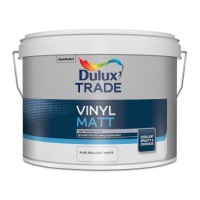
 Dulux Trade Pure Brilliant White Vinyl Matt Emulsion Paint 5LFrom £46.20 £38.50
 Dulux Trade Pure Brilliant White Vinyl Silk Emulsion Paint 5LFrom £53.27 £44.39
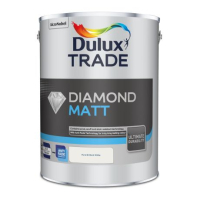
 Dulux Trade Diamond Matt Emulsion Paint Custom Colour 2.5LFrom £0.00 £44.00 From
 Dulux Trade Diamond Eggshell Emulsion Paint Custom Colour 2.5LFrom £0.00 £55.00 From


Choosing the Right Emulsion Paint for Every Room
Choosing the right emulsion paint means matching the finish and durability to the demands of the room. Matt emulsions provide a flatter appearance for general wall and ceiling decoration, while tougher cleanable formulations are better suited to surfaces exposed to frequent contact, marks or wiping. The range includes contract, vinyl and durable emulsions for interior plaster and plasterboard, giving you options for everything from freshly plastered rooms to higher-use spaces. Rather than choosing wall paint or ceiling paint by colour alone, compare finish, cleanability, coverage and surface condition before buying.
Matt, Silk or Eggshell: Choosing the Right Finish
Paint finish changes both the appearance of the surface and how easily it can cope with everyday use. Matt absorbs more light and gives a flatter appearance, while silk and soft sheen create a more reflective mid-sheen finish. Eggshell also provides a mid-sheen appearance but is available in durable formulations designed for repeated cleaning and greater resistance to scuffs and stains.
-
Matt – Flatter, lower-sheen appearance for walls and ceilings.
-
Silk – Tough, washable finish with a more noticeable sheen.
-
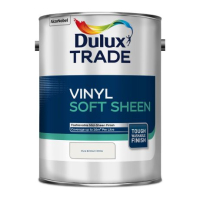
Soft sheen – Washable mid-sheen finish between matt and silk.
-
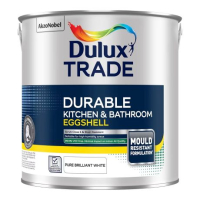
Eggshell – Durable, cleanable finish for more demanding areas.
If a flatter decorative finish is the priority, compare the wider Matt Paint range.
Choosing White Wall & Ceiling Paint for a Clean, Bright Finish
White remains one of the most practical wall paint colours because it works across different room styles and gives you a neutral base for furniture, flooring and decoration. A good white wall paint should be chosen by finish and room conditions as well as colour, particularly in areas that need regular cleaning or a more durable surface.
For ceilings, white ceiling paint helps keep the room feeling light and gives the ceiling a clean, unobtrusive finish. When comparing options for the best ceiling paint, look at the finish, opacity and suitability for the surface rather than choosing by colour alone. dulux trade vinyl matt white 2.5L provides a white matt option for interior walls and ceilings where a smaller pack is suitable.
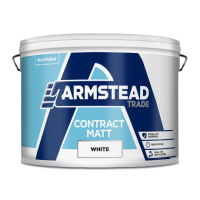
For larger decorating projects, armstead white paint 10L provides a larger white matt option for covering wider areas. If you are comparing Dulux ceiling paint with other white emulsions, choose the product that suits the condition of the surface, the size of the project and the finish you want rather than treating every white paint as interchangeable.
Standard vs Durable Emulsion: Which Suits the Space?
The main difference is how much everyday wear and cleaning the painted surface needs to handle. Standard emulsions are well suited to general wall and ceiling decoration, while durable formulations are designed for areas where marks, repeated wiping and regular cleaning are more likely.
-
Standard matt emulsion – A practical low-sheen choice for general walls and ceilings where heavy cleaning is not a priority.
-
Contract matt emulsion – Particularly suited to new plaster and larger decorating projects requiring a straightforward matt finish.
-
Durable matt emulsion – Keeps the flatter matt appearance while providing a tougher, more cleanable surface for frequently used rooms.
-
Durable eggshell emulsion – Provides a mid-sheen finish with strong cleanability and increased resistance to scuffs and stains.
For bedrooms, ceilings and other lower-contact surfaces, a standard trade emulsion paint may provide everything the project requires. In hallways, living areas and other spaces exposed to more frequent contact or cleaning, a durable formulation can provide a more practical long-term finish.
Choosing Paint Colours That Work with the Space
The same emulsion paint colour can look noticeably different depending on natural light, artificial lighting and the sheen of the chosen finish. Low-sheen finishes absorb more light, while more reflective finishes can alter the perceived depth of a colour.
Testing the colour in the actual room is therefore more reliable than choosing from a colour chart alone. The 250ml colour sampler in this range has a matt finish and is intended for testing colours on interior walls and ceilings. If the final paint will be silk or eggshell, expect the sheen to affect how the finished colour appears. Explore further custom options through the Dulux Colour Mixing Lab.
Small Room or Full Refurbishment: Choosing the Right Paint Quantity
Pack sizes across the current range run from 2.5L to 10L for full-size paints, alongside the 250ml colour sampler. Listed maximum coverage for the full-size emulsions is up to 15, 16 or 17m² per litre, depending on the formulation.
Use the coverage figure for the exact paint you choose rather than calculating from tin size alone. Coverage can vary with surface porosity, texture and condition, and additional coats may be required where there is a strong colour change. For larger wall and ceiling areas, suitable Paint Rollers provide an efficient application method for the emulsions in this range.
Get the Best Finish with the Right Decorating Essentials
A professional finish starts with a sound, clean and dry surface. Fill cracks, holes and other defects before decorating using a suitable product from the Sealants, Caulks & Fillers range, then remove loose material and dust before painting.
Preparation requirements vary between emulsions. Some formulations use a thinned first coat to seal new, bare or highly absorbent surfaces, while others may require an appropriate primer or sealer depending on the substrate. Check the preparation requirements for the selected paint rather than assuming every wall needs the same system. Correct preparation, followed by the right finish and quantity, gives the paint the best conditions to perform as intended.
FAQs
What is emulsion paint?
Emulsion paint is a water-based decorative coating commonly used on interior walls and ceilings. Different formulations can vary in opacity, washability and resistance to everyday wear, so the right emulsion should be selected according to the surface and how the room will be used.
How do you prepare walls for painting?
Remove wall fixings and protect switches, sockets and surrounding surfaces before starting. Clean away dirt and grease, remove loose or flaking coatings, fill damaged areas where required and sand repaired or uneven surfaces smooth. Remove all resulting dust before painting so the new coating can bond properly to the surface.
How long does emulsion paint take to dry?
Drying time varies by formulation, temperature and humidity. Many trade emulsions become touch dry within around 1 to 2 hours and can be recoated after approximately 2 to 4 hours, although some specialist formulations take longer. Always follow the drying and recoat times specified for the exact paint being used.
How much paint is needed for one wall?
Measure the width and height of the wall to calculate its paintable area, then allow for large doors or windows that do not need painting. The amount required also depends on the paint's stated coverage and the number of coats needed, so check the coverage information for the exact product before choosing a pack size.
What is the best paint for ceilings?
A matt or very low-sheen emulsion is usually a practical choice for ceilings because reduced reflectivity helps create a more even-looking finish and can make minor surface variations less noticeable. Specialist ceiling paints and ultra-matt finishes can be particularly useful where strong side lighting would otherwise highlight roller marks or differences in sheen.