

Filters
Shopping Options
Steel Lintels
What are Steel Lintels?
Steel lintels carry the load that would normally sit on the brickwork above a door or window opening. A steel lintel bridges the gap and transfers the weight into the wall on both sides, helping the masonry above stay level and supported — reducing the risk of cracking, settlement, or movement over time.
Types of Steel Lintels: Cavity, Box and Single Leaf (L-Shape)
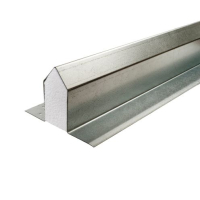
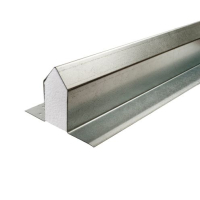
- Cavity Steel Lintels — made for cavity construction with an inner and outer leaf. They support masonry over openings while keeping the cavity clear and are commonly used as a steel lintel above window.
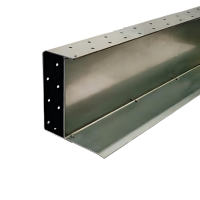
- Steel Box Lintels — a closed, boxed profile chosen when you want a stiffer, more enclosed lintel form over the opening. It creates a clean, stable support line and is often specified for steel lintels for brickwork where a closed section is preferred. This type is also commonly searched as a box steel lintel.
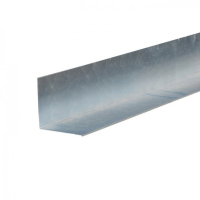
- Single Leaf Steel Lintels (L-Shape) — designed for single-leaf masonry where a cavity option isn’t suitable. The L-shaped profile provides a straightforward bearing surface over openings, including a steel lintel above door. These are also referred to as an l shape steel lintel or steel l lintel, and are often used where you need a single skin steel lintel solution.
Steel Lintel Sizes: Wall Type, Cavity Size and Length
- Wall type comes first: choose a steel cavity lintel for cavity construction, a steel box lintel when a boxed section is required, or a single leaf steel lintel for solid/single-skin masonry.
- Cavity size should match your wall build-up so the lintel aligns correctly and supports the outer leaf properly. Choosing the wrong cavity size is a common reason steel lintels for brickwork don’t seat correctly — even if the length is right.
- Length should match the opening width, plus adequate bearing on both sides for proper support. Using the length filter first is an efficient way to narrow down steel lintel sizes before comparing individual products.
How to Choose a Steel Lintel by Wall Type
Start with the wall construction — it determines the lintel form before you look at length or load:
-
Cavity wall (inner + outer leaf) → choose a steel cavity lintel, then match it to the cavity width.
-
Cavity wall where a boxed profile is specified → choose a steel box lintel in the correct cavity size.
-
Single-leaf masonry (no cavity) → choose a single leaf steel lintel, typically an l shaped steel lintel, for solid wall openings.
How to Choose a Steel Lintel by Cavity Size
Measure the cavity width first, then select the cavity-size option that matches your wall build-up:
-
For cavity construction, choose a steel cavity wall lintel in the correct cavity size so it sits in the right position within the wall.
-
If the detail requires a boxed section, choose steel box lintels in the same cavity size — the “box” describes the profile, while cavity size governs fit.
-
If there is no cavity, cavity size doesn’t apply — use a single leaf steel lintel (often an l shaped steel lintel) based on wall type.
Steel Lintel Prices in the UK: What Affects Cost?
What usually makes a steel lintel cheaper
-
Standard cavity sections where a basic profile is suitable
-
Standard-duty options rather than heavy-duty ratings
-
Galvanised finish for typical internal/covered use
-
Stocked, common lines (less impact from lead time and handling)
What usually makes a steel lintel more expensive
-
A steel box lintel where a stiffer closed section is specified
-
Higher duty ratings for wider openings or higher loads
-
Higher corrosion protection where exposure requires it (e.g., stainless steel lintel applications)
-
Specialist designs such as thermally enhanced or insulated lintels (only where specified)
At MGN Builders Merchants, compare by type, cavity size and finish first — then confirm the correct duty rating using the manufacturer datasheet and load/span tables before ordering.
What Are Steel Lintels Used For in Brickwork?
Steel lintels for brickwork are the support that makes it possible to create a clear opening while keeping the masonry above stable. They carry the load across the gap and transfer it into the wall on both sides, which is why a steel lintel above window and a steel lintel above door are standard on openings that carry weight. In practice, you may also see these described as a steel window lintel or window steel lintel depending on how the opening is referenced. If you need a steel lintel for brick, choose the correct type and size for the wall build-up and confirm duty rating to suit the opening. With the right lintel in place, the courses above stay aligned and are far less likely to crack or settle. For lighter-duty openings or where the detail specifies a non-steel option, you can also compare our Concrete Lintels.
FAQs
How much do steel lintels cost in the UK?
Steel lintel prices in the UK depend mainly on type (cavity/box/single leaf), length, duty rating, and finish (galvanised vs stainless). Standard stocked galvanised lintels are usually cheapest, while box sections, longer spans and higher load ratings cost more—confirm duty rating in the manufacturer’s load/span tables before you buy.
What size steel lintel do I need?
Choose the lintel type to match the wall (cavity/box/single leaf), then match cavity size (if applicable) and length (opening width plus adequate bearing on both sides). Finally, confirm the correct duty rating from the manufacturer load/span tables before ordering.
How can I tell if a lintel is steel or concrete?
Steel lintels usually have a thinner visible edge and may show a metal flange (often galvanised), while concrete lintels are thicker and look like a solid cast section. If you can expose a small edge, a magnet can help (steel is magnetic, concrete isn’t), but check drawings/specs if it’s concealed or you’re unsure.
How thick are steel lintels?
There isn’t one fixed thickness—steel lintel section sizes vary by type, span and duty rating. Check the product datasheet for the exact section dimensions of the lintel you’re buying.
Where can I buy a steel lintel?
You can buy steel lintels from builders’ merchants or specialist lintel suppliers, usually stocked by type and common lengths. Filter by wall type, cavity size and length first, then verify the duty rating in the manufacturer’s load/span tables before ordering.
Do I need an insulated / thermally enhanced steel lintel?
You may need an insulated/thermally enhanced lintel on external cavity walls where thermal bridging matters or where the spec/reg detail requires improved thermal performance. If your drawings/spec call for it, choose an insulated lintel in the correct cavity size, length and duty rating; otherwise a standard lintel may be acceptable for internal/low-exposure details.