

Filters
Shopping Options
Standard Plasterboard
Standard plasterboard is a practical choice for creating smooth internal walls, partitions and ceilings in dry areas. Available in different sheet sizes, thicknesses and edge profiles, it can be selected to suit the installation method, access requirements and chosen finish. This category helps builders and DIY professionals compare the main options and choose the right board for general drylining work.
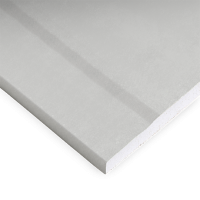 12.5mm Standard Plasterboard Tapered Edge 2400mm x 1200mm (8' x 4')-£0.55From £10.19 £8.49 From £10.74
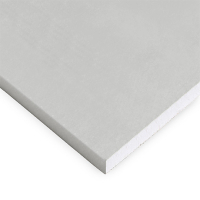 12.5mm Standard Plasterboard Square Edge 1800mm x 900mm (6’ x 3’)-£1.87From £7.19 £5.99 From £9.06
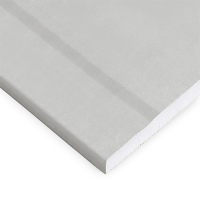 15mm Standard Plasterboard Tapered Edge 2400mm x 1200mm (8' x 4')-£3.60From £13.19 £10.99 From £16.79

What Is Standard Plasterboard?
Standard plasterboard is a general-purpose gypsum board used to form smooth internal walls, partitions and ceilings in dry areas. It can be fixed to timber or metal framing, or bonded to suitable masonry as part of a drylining system, before being skimmed or finished with jointing materials. It is intended for ordinary internal applications rather than areas requiring enhanced moisture, thermal or specialist fire performance.
Before You Buy: Match the Board to the Job
Choose the board according to where it will be installed, how it will be supported and how the surface will be finished.
- Internal partitions – Standard plasterboard can be fixed to timber studs or metal framing to create non-load-bearing room divisions.
- Wall linings – Boards can be mechanically fixed to battens or bonded to suitable internal masonry using an approved adhesive.
- Ceilings – Board thickness and fixing centres must suit the joist or batten spacing and the complete ceiling system.
- Repairs and alterations – Smaller sheets can be easier to handle in lofts, stairways and restricted rooms.
- General dry rooms – Standard boards are commonly used in bedrooms, living rooms, hallways and offices.
Standard plasterboard is not suitable for every environment. Areas exposed to regular moisture, or projects requiring enhanced fire, acoustic or thermal performance, should use the correct specialist board and tested system.
Tapered Edge vs Square Edge Plasterboard
The edge profile should be chosen according to the intended finishing method.
Tapered edge plasterboard has recessed long edges that provide space for joint tape and compound. This helps create a flatter finish when the boards are taped and jointed without applying a full plaster skim.
Square edge plasterboard has straight edges and is commonly used where the complete surface will be skimmed. It can also be practical for repairs and smaller areas where a full drylining jointing system is not required.
The edge profile does not change the basic use of the board, but it affects the time, materials and finishing method needed to complete the surface.
Choosing the Right Board Thickness
The correct thickness depends on the application, supporting structure and complete wall or ceiling specification.
- 9.5mm plasterboard – A thinner and lighter option for suitable lining work where the board is adequately supported.
- 12.5mm plasterboard – A widely used general-purpose thickness for many internal walls, partitions and ceilings.
- 15mm plasterboard – A thicker board used where the specified construction requires a more substantial lining.
Thickness alone does not confirm fire, acoustic or structural performance. Builders should always consider the framing, fixing centres, board layers and joint treatment used within the complete system.
For ceilings, the selected board must be suitable for the support spacing. Incorrect thickness, excessive fixing centres or unsuitable fasteners can increase the risk of movement, sagging or cracked joints.
Standard Plasterboard Sizes, Thickness and Coverage
Before ordering plasterboard sheets, check the board thickness, sheet size, edge type and intended application. These details affect handling, coverage, finishing requirements and whether the board is suitable for the planned wall or ceiling system.
- Thickness – Affects board weight, rigidity and suitability for the specified wall or ceiling build-up.
- Sheet size – Helps calculate coverage, cuts, waste and whether the boards can be moved through the property.
- Edge type – Tapered edges suit taping and jointing, while square edges are commonly used for skimming.
- Supporting structure – Timber studs, metal framing, battens and ceilings require suitable board support and fixing centres.
- Finishing method – The planned skim or jointed finish determines the most suitable edge profile and materials required.
As a guide, a 1800 × 900mm plasterboard sheet covers approximately 1.62m², while a 2400 × 1200mm 8x4 plasterboard sheet covers approximately 2.88m² before allowing for cuts, openings and waste. Larger sheets create fewer joints, while smaller boards can be easier to handle in lofts, stairways and restricted rooms. Always check the exact board dimensions, thickness and installation guidance before ordering.
Standard Plasterboard vs Insulated Plasterboard
Standard plasterboard provides an internal lining and a surface ready for finishing, but it does not include a bonded insulation layer. It is the practical choice where the wall already meets the required thermal specification or where insulation is installed separately within the wall construction.
Insulated plasterboard combines a plasterboard facing with a thermal insulation core. It is commonly used where an external wall needs to be upgraded from the inside, but it creates a thicker wall build-up and may affect sockets, reveals and usable room space.
Choose standard plasterboard for general internal walls, ceilings and partitions in dry rooms. Choose insulated plasterboard where improved thermal performance is part of the wall design, and compare the full build-up rather than selecting by price alone.
FAQs
How thick is standard plasterboard?
Standard plasterboard is commonly available in 9.5mm, 12.5mm and 15mm thicknesses. The right thickness depends on the wall or ceiling system, support spacing and required finish. Thickness alone does not determine fire, acoustic or structural performance.
How do you cut standard plasterboard?
Mark the cut line clearly and place the board on a flat, stable surface. Score the face paper with a sharp utility knife, snap the board along the line, then cut through the backing paper. Use a plasterboard saw for openings, curves or more detailed cuts.
Should I use 9.5mm or 12.5mm plasterboard?
9.5mm plasterboard is lighter and may suit selected lining work where the board is well supported. 12.5mm plasterboard is the more common general-purpose choice for many internal walls, partitions and ceilings. Always match the board thickness to the complete installation system rather than choosing by weight or price alone.
Can you paint plasterboard?
Yes, plasterboard can be painted once the joints or skim coat are fully finished, dry and smooth. Bare plasterboard or fresh plaster should be prepared with a suitable primer or mist coat before applying the final paint. Any dust, filling marks or uneven joints should be corrected first.
How much is standard plasterboard?
Standard plasterboard prices vary according to board size, thickness, edge profile, brand and quantity ordered. Larger or thicker sheets generally cost more per board, although they may reduce the number of sheets and joints required. Check the live product price and calculate the total cost based on coverage and expected waste.
Can I use 12.5mm plasterboard on a ceiling?
Yes, 12.5mm plasterboard is widely used in suitable ceiling systems. The joist or batten spacing, screw centres and board orientation must follow the relevant installation guidance. Incorrect support or fixing can increase the risk of sagging and cracked joints.
Is standard plasterboard suitable for a bathroom?
Standard plasterboard is generally not the preferred choice for areas exposed to regular humidity or water. Moisture Resistant Plasterboard or another suitable lining is normally specified for bathrooms, depending on the installation area. Direct wet zones may require a dedicated tile backer or waterproof system rather than plasterboard alone.