
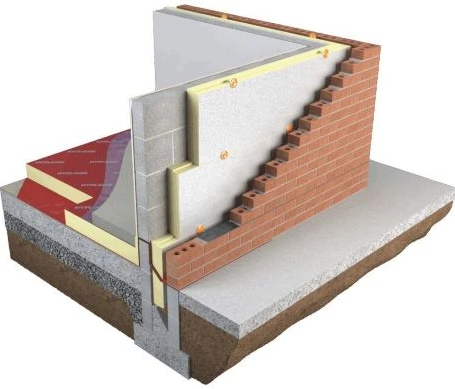
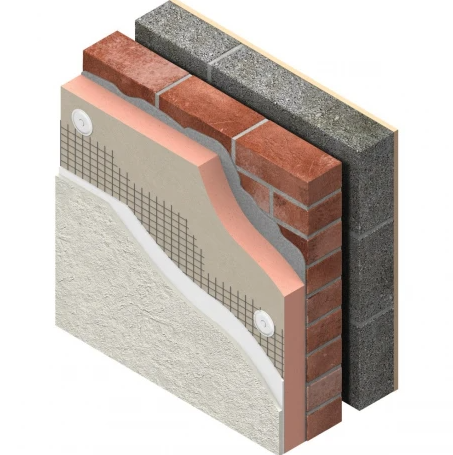

Wall insulation to help reduce heat loss and improve comfort across a wide range of wall build-ups. Suitable for lining internally, insulating within cavities, or upgrading walls externally under render or cladding. Compare thicknesses to suit your wall construction and project requirements.

Filters
Shopping Options
Wall Insulation
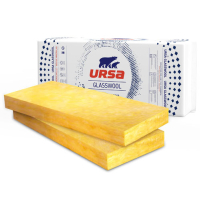
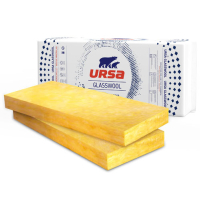
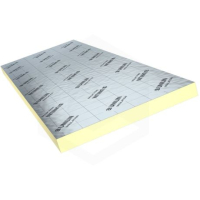
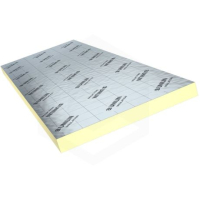
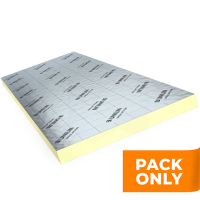
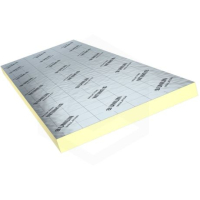
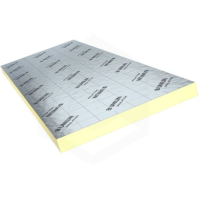
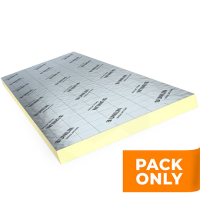
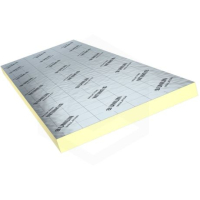
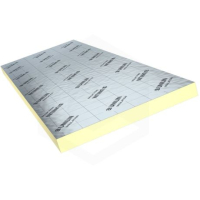
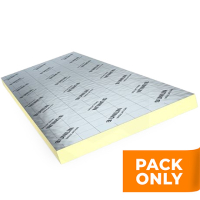
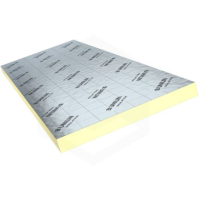
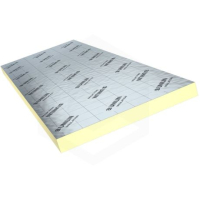
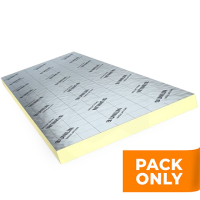
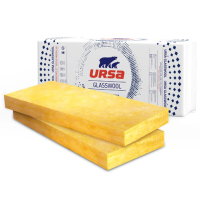 75mm URSA 35 Cavity Wall Insulation Slab 1350mm x 455mm 4.91m2-£6.00£29.99 £24.99 £35.99
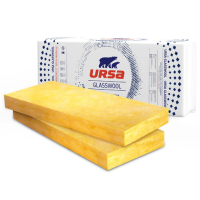 100mm URSA 32 Cavity Wall Insulation Slab 1350mm x 455mm 3.07m2-£9.01£44.39 £36.99 £53.40
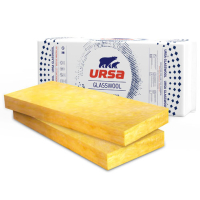
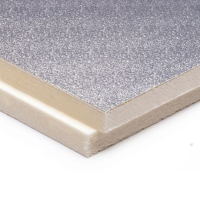
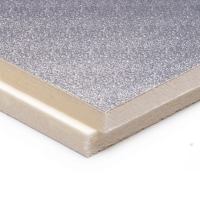
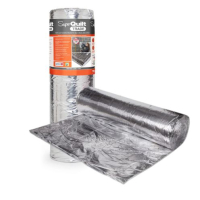

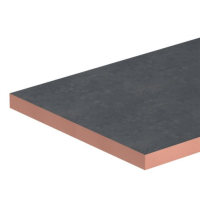
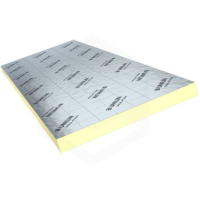
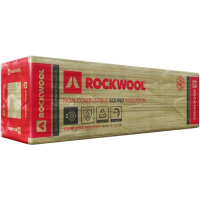
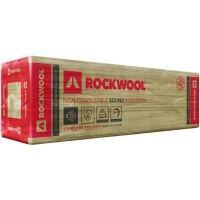
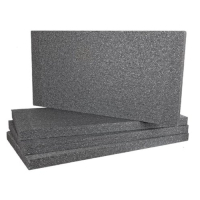
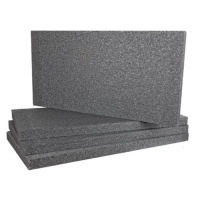
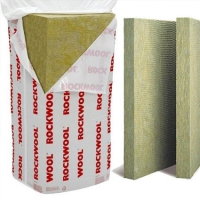
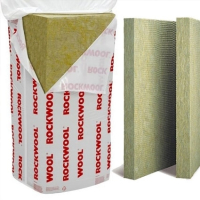
Wall Insulation: What It Does and When to Use It
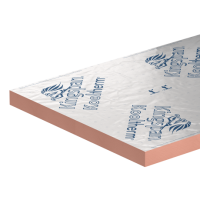
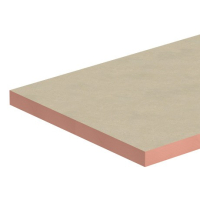
Wall insulation is insulation material added to a wall build-up to slow down heat transfer through the structure. It helps keep rooms warmer, reduces cold spots, and can improve overall energy efficiency. The right option depends on the wall type, available space, and the finish you’re working with.
When to use it:
-
When rooms feel cold, or you’re getting cold patches on external walls
-
When you’re refurbishing and have the chance to upgrade the wall build-up
-
When you need to improve thermal performance to meet a spec
-
When you’re planning new linings, plastering, or a full re-finish and want to add insulation at the same time
-
When you want better sound reduction between rooms (where acoustic performance matters)
What’s the Difference Between Wall Insulation Types?
Different types of wall insulation differ mainly by thermal performance, thickness, acoustic control, fire behaviour, and how they fit into the wall build-up. Some wall insulation boards offer strong insulation in a slimmer profile, while others are chosen for sound control and fire performance. The best choice comes down to what you’re trying to achieve and the constraints of the job.
Key differences to compare:
-
Thermal efficiency and thickness – assess how much insulation you need within your available build-up
-
Acoustic performance – whether you need sound reduction as well as warmth
-
Fire performance – the rating required for the application and build-up
-
Moisture behaviour – breathability and whether vapour control is needed
-
Handling and installation – rigidity, cut quality, and how cleanly insulated wall boards fit around services and details
Wall type matters too, especially for brick wall insulation, stone wall insulation and single brick wall insulation.
Choose an Insulation Approach for Your Wall
- Cavity Wall Insulation - for cavity construction where there’s a clear gap between the inner and outer leaf. The insulation sits within that space as part of the wall construction, giving continuous coverage through the wall thickness without needing to alter the room side or the outside finish.
- External Wall Insulation - works by wrapping the building on the outside, which is why it’s often chosen for solid masonry and retrofit upgrades. The insulation is fixed to the outer face and then taken through a complete finish build-up (commonly render or cladding), helping to tackle cold bridges and improve overall wall performance.
- Internal Wall Insulation - added from the inside as part of a lining build-up, typically when you’re already stripping back, reboarding, or drylining. It’s useful when the outside needs to stay as-is, and it lets you improve warmth and reduce cold spots room by room, with the right detailing around windows, reveals, and services.
Choosing the Right Wall Insulation Board and Thickness
Start with the wall build-up and what you’re fixing to on site. More thickness usually means better insulation, but details like window reveals, skirtings, sockets and services often set the limit on UK refurb jobs. The best option is the one you can fit tight, keep continuous through key junctions, and finish cleanly to the spec.
What to check before you choose:
-
Wall build-up and substrate – what the board is going against and what sits over it
-
Thickness constraints – reveals, trims, services, and any areas where build-up can’t grow
-
Fixing approach – what suits the substrate and keeps the board flat and secure
-
Thermal continuity – corners, junctions and around openings (avoid gaps and weak spots)
-
Moisture control – whether vapour control is needed and how it’s detailed
-
Cut and fit – how cleanly it cuts, and how easy it is to get tight joints
-
Finish – compatibility with the lining/finish you’re installing
If you’re unsure of the best board and thickness for your build-up, the team at MGN Builders Merchants can help you shortlist the right option for the job.
FAQs
What is solid wall insulation?
Solid wall insulation is applied to walls without a cavity, often found in older masonry, to reduce heat loss. Proper installation, including careful detailing at corners, openings and junctions, is essential. When installed correctly, it minimises cold spots and improves comfort.
What insulation should I use for a stud wall?
For stud walls, select insulation based on your needs: higher thermal performance for heat retention, or higher density for sound reduction. Ensure the insulation fits tightly to the stud depth without voids, and detail carefully around services. Include the appropriate vapour control layer if required by the build-up.
How much does wall insulation cost?
Costs depend on the installation method, insulation thickness and specification, site access, and the extent of preparation and finishing required. Projects with extensive detailing - such as reveals, junctions, services, trims and making-good - require more labour and increase costs. Price it from the required performance level, then choose the thickness and finish you’re taking to site.
How does wall insulation work?
Wall insulation reduces heat transfer through the structure, limiting heat loss and keeping internal surfaces warmer. Maximum benefit is achieved with continuous coverage and proper detailing at junctions to prevent gaps and cold bridges. This helps stabilise room temperatures and can reduce heating demand.
How long does wall insulation last?
Most wall insulation will last for decades if it remains dry and undisturbed. Issues typically arise from water ingress, physical damage, or poor installation rather than material degradation. Protect the wall build-up to ensure long-term performance.