

Filters
Shopping Options
Insulated Plasterboard
Insulated plasterboard combines a gypsum board with a bonded insulation layer, allowing walls to be insulated and drylined in one installation. It is commonly used on internal walls in extensions, loft conversions, garages and refurbishment projects where improved thermal performance is required. Available in different thicknesses and insulation types, these boards help reduce heat loss while creating a smooth surface ready for jointing, skimming or decoration.
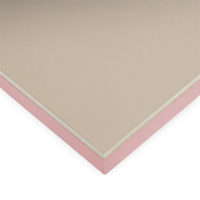
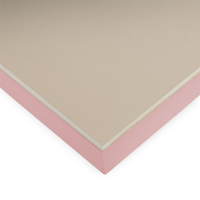 62.5mm Kingspan Kooltherm K118 Insulated Plasterboard 1200mm x 2400mmFrom £134.33 £111.94
What Is Insulated Plasterboard?
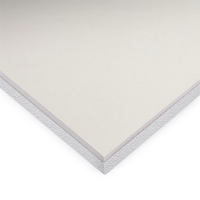
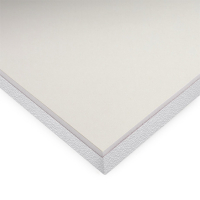
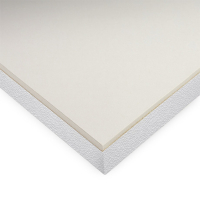
Insulated plasterboard combines a gypsum plasterboard facing with a bonded layer of thermal insulation, allowing walls to be insulated and drylined in a single installation. Also known as thermal plasterboard, it is commonly fitted to the internal face of external walls in extensions, loft conversions, garages and refurbishment projects. Boards are available with PIR, EPS or phenolic insulation cores, offering different levels of thermal resistance, overall thickness and cost. When installed as part of a correctly designed wall system, insulated plasterboard can reduce heat loss while creating a smooth internal surface ready for jointing, skimming and decoration.
What Is the Best Insulated Plasterboard for Solid Walls?
There is no single best insulated plasterboard for solid walls. The correct choice depends on the existing wall construction, its condition, the available internal space and the thermal performance required for the complete wall.
Before selecting an internal wall insulation plasterboard, check:
- Whether the wall is dry, stable and free from defective finishes
- The required U-value for the completed wall construction
- How much internal floor space can be lost
- Whether a vapour control layer or condensation assessment is required
- Which fixing method is approved for the board and substrate
PIR and phenolic boards are particularly useful when strong thermal performance is required without an excessively thick internal build-up. EPS can be a practical, lower-cost option where a more basic improvement is sufficient.
PIR Plasterboard vs EPS Insulated Plasterboard
PIR and EPS boards perform the same basic two-in-one function, but their insulation cores have different thermal properties.
- PIR plasterboard: PIR plasterbaords have a declared thermal conductivity of 0.022 W/mK. The lower conductivity means they can provide greater thermal resistance from a comparatively slim insulation layer.
- EPS insulated plasterboard: EPS plasterbaords have a declared thermal conductivity of 0.038 W/mK. They are lightweight and cost-effective, making it suitable for projects requiring a basic thermal upgrade.
PIR insulated plasterboard is generally the stronger choice where room space is restricted or a higher R-value is needed. EPS may be more appropriate where price, low board thickness and ease of handling are the main priorities. Compare the declared performance rather than choosing by insulated plasterboard prices alone.
Choosing the Right Board Thickness
Total board thickness includes both the insulation core and the plasterboard facing. A thicker board will normally provide greater thermal resistance within the same product system, but insulation material and declared R-value must also be considered.
- 37.5mm insulated plasterboard: A space-conscious PIR option consisting of 25mm insulation and 12.5mm plasterboard.
- 52.5mm insulated plasterboard: A useful middle option when more insulation is required without moving to the thickest board. Customers comparing 52.5mm PIR insulated plasterboard should confirm the exact overall thickness, insulation build-up and R-value.
- 62.5mm insulated plasterboard: A stronger thermal upgrade for projects where the additional internal depth is acceptable. This 62.5mm PIR insulated plasterboard combines 50mm PIR with 12.5mm plasterboard and has a declared R-value of 2.30m²K/W.
Each current insulated plasterboard sheet measures 2400mm × 1200mm and covers 2.88m². Divide the net wall area by 2.88 to estimate the number of boards, then allow extra material for cuts, openings, damaged edges and the installation layout.
Insulated Plasterboard vs Foil Backed Plasterboard
Insulated plasterboard and foil backed plasterboard are designed for different purposes.
Insulated boards contain a bonded PIR, EPS or phenolic insulation layer that increases the thermal resistance of the wall. Foil backed plasterboard is normally a standard gypsum board with a metallised backing designed primarily to provide integrated vapour control. It should not be treated as an equivalent substitute where a calculated thermal-insulation upgrade is required.
Some PIR laminated boards also incorporate an integral vapour control layer within their facing. To create a continuous layer, the joints and relevant junctions must be sealed and taped in accordance with the specified system. Neither product should be used to conceal an active damp problem, and standard insulated boards are not automatically suitable for wet rooms or areas exposed to continuous humidity.
Fixing and Finishing Insulated Plasterboard
The installation method must match the selected board, wall substrate and manufacturer’s instructions. Certain PIR systems are suitable for proprietary adhesive-dab fixing followed by secondary thermally broken mechanical restraint. EPS products may require a different fixing pattern, so instructions for one board should not be applied automatically to another.
Before fixing, remove loose finishes and make sure the wall is dry and sufficiently level. Use suitable Plasterboard Adhesive where adhesive installation is permitted, together with the specified Plasterboard Fixings. Boards should be tightly butted to reduce gaps and unwanted heat movement. Tapered edges can then be taped and jointed or prepared for a plaster skim. Where the board provides vapour control, seal the joints and perimeter details as required to maintain continuity.
Before you buy insulated plasterboard, compare the board type, thickness, thermal resistance and live prices shown above. MGN Builders Merchants supplies PIR insulated plasterboard across London, Essex and surrounding areas, subject to stock and postcode availability. Enter your delivery postcode or contact the team for help selecting the correct quantity and specification for your project.
FAQs
Can you dot and dab insulated plasterboard?
Yes, many insulated plasterboards can be fixed to suitable masonry using the dot-and-dab method. The wall must be dry, sound and reasonably level, and the adhesive must be compatible with the board. Some products also require mechanical fixings, so always check the manufacturer's instructions.
How do you install insulated plasterboard?
Prepare and measure the wall, cut the boards to size, then secure them using an approved adhesive or mechanical fixing method. Fit the boards tightly together to reduce gaps and heat loss. Finish the joints with suitable tape and compound or prepare the surface for skimming.
How do you cut insulated plasterboard?
Mark the board accurately and support it on a flat, stable surface. Cut through the plasterboard and insulation with a sharp knife or fine-toothed saw, depending on the board type. Keep the cut edges neat so adjoining boards fit closely together.
How do you fix insulated plasterboard?
Insulated plasterboard can be secured with adhesive, mechanical fixings or a combination of both. The correct method depends on the board, supporting surface and installation area. Use fixings approved for the selected product and substrate.
How do you fit insulated plasterboard?
Plan the board layout before fixing to reduce waste and avoid narrow sections around openings. Position each board squarely and fit it tightly against adjoining boards. Seal and finish the joints according to the chosen drylining system.
What is the thinnest insulated plasterboard?
Insulated plasterboard is available in slim formats from around 20mm overall, depending on the manufacturer and insulation type. Thinner boards preserve more internal room space but usually provide less thermal resistance. Compare the declared thermal performance rather than choosing by thickness alone.
How do you fix insulated plasterboard to a ceiling?
Only use insulated plasterboard on a ceiling when the product is approved for overhead installation. It normally requires secure mechanical fixing into joists or suitable battens rather than adhesive alone. Follow the manufacturer's fixing pattern and support the board safely during installation.
What fixings are used for insulated plasterboard?
Use fixings designed for the board and its supporting wall, ceiling or frame. Masonry applications may require specialist insulated plasterboard fixings, while timber frames normally use suitable drywall screws. The fixing must be long enough to pass through the board and insulation and achieve a secure hold.