

Filters
Shopping Options
OSB Board
Browse OSB boards and sheets for flooring, roof decking, wall sheathing and general building work. Choose from OSB3 square edge and tongue and groove boards, then use the filters to compare thickness, sheet size and edge type.
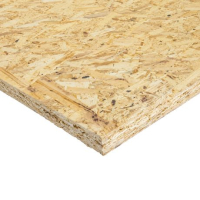
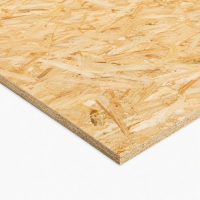
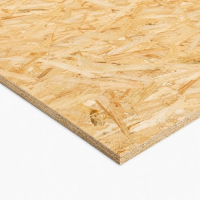
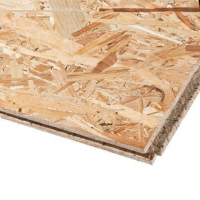 18mm OSB3 Tongue and Groove Flooring Board 2440mm x 590mm (8' x 2')-£0.65From £15.54 £12.95 From £16.19
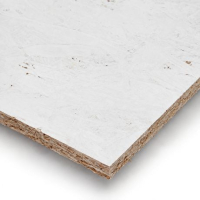

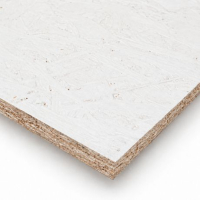
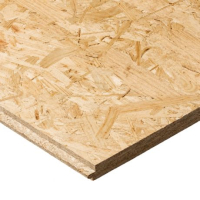

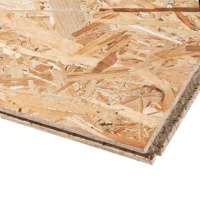
What is OSB Board?
OSB stands for Oriented Strand Board, a wood-based sheet material made from compressed wood strands bonded with resin to create a strong, stable panel. In the UK, OSB is also sometimes called Sterling board and is widely used for building, joinery and general site work. OSB3 boards are suitable for structural applications in humid conditions when correctly installed and protected within the finished build-up.
Before You Buy: Match the OSB Board to the Job
Choosing the right OSB board depends on how the sheet will be used, how much support it needs and whether the board edges need to interlock. Thinner OSB sheets are usually easier to handle for lining, protection and light-duty work, while thicker boards are better suited to applications where extra rigidity is required.
| Project type | What to look for |
|---|---|
| General boarding and site work | Square edge OSB boards for fixing, temporary protection, packaging and practical site tasks. |
| Wall sheathing | OSB3 boards suitable for protected timber frame and panel applications. |
| Roof decking and sarking | OSB boards used as part of a correctly designed and weather-protected roof build-up. |
| Flooring and loft areas | Thicker OSB or tongue and groove boards where extra support and rigidity are needed. |
| Workshop and DIY projects | OSB sheets for panels, shelving backs, storage, templates and general project work. |
Square Edge or Tongue and Groove OSB?
OSB boards are usually supplied with either a square edge or a tongue and groove profile. Square edge boards are the more flexible option for general fixing, wall sheathing, roof decking, boarding and site work.
Tongue and groove OSB is designed so the board edges lock together, creating a tighter fit between sheets. This makes it a better choice for flooring, loft boards and decked areas where the joints need extra support.
For most general building jobs, square edge OSB is a practical all-round option. For floors or areas walked on regularly, tongue and groove boards usually give a stronger and neater finish. For flooring projects that need a solid interlocking sheet, 18mm OSB tongue and groove is a practical option to compare.
OSB Board Sizes, Thickness and Coverage
Before ordering OSB sheets, check the board thickness, sheet size, edge type and intended application. These details affect how easy the board is to handle, how much area it covers and whether it is suitable for the build-up.
| What to check | Why it matters |
|---|---|
| Thickness | Affects rigidity, handling and suitability for the job. |
| Sheet size | Helps calculate coverage, cuts, waste and delivery requirements. |
| Edge type | Square edge is used for general fixing; tongue and groove is used where interlocking joints are needed. |
| Board weight | Larger or thicker sheets are easier and safer to handle with two people. |
| Final build-up | Floors, roofs and walls need the correct support, fixing and weather protection. |
As a guide, a 2440mm x 1220mm OSB sheet covers approximately 2.98m², while a 2400mm x 1200mm sheet covers approximately 2.88m² before allowing for cuts, waste or fitting gaps. Always check the exact product dimensions before ordering, especially when matching new boards with existing sheet materials.
Where OSB Boards Are Commonly Used
OSB is a versatile sheet material used across trade, site and DIY projects. The best board for the job depends on the required strength, board thickness, support and exposure conditions.
- Flooring and loft boarding: thicker OSB boards or tongue and groove options are usually preferred where strength and board-to-board support are important.
- Roof decking and sarking: OSB3 boards can be used as part of a protected roof build-up when correctly specified and installed.
- Wall sheathing: OSB is commonly used in timber frame and panel construction where the board is fixed, supported and protected correctly.
- Boarding and temporary protection: useful for site screens, protection panels, packaging, boarding up and general construction tasks.
- Workshop and DIY projects: suitable for shelving backs, cabinet panels, templates, storage and practical project work.
OSB3, Moisture and Weather Protection
OSB3 boards are suitable for humid conditions when correctly installed and protected, but they are not waterproof. OSB should not be left exposed to standing water, prolonged rain or open weather.
For roofing, flooring and wall applications, the board should be used as part of the correct build-up with suitable support, ventilation and weather protection. Keep OSB sheets dry before installation and protect cut edges where required by the project specification.
OSB Board Prices, Coverage and Ordering Tips
OSB board prices vary by sheet size, thickness and edge profile. Before ordering, calculate the area you need to cover, then allow extra material for cuts, waste and fitting gaps.
Check the key details before choosing:
- Board coverage: use the sheet size to estimate how many boards are required.
- Thickness: choose a board thickness that matches the strength and rigidity needed for the job.
- Edge type: use square edge boards for general fixing, or tongue and groove OSB for flooring where tighter board joints are required.
- Project use: flooring, roof decking and wall sheathing need the right support, fixing and weather protection.
- Handling: larger or thicker OSB sheets are easier and safer to move with two people.
For larger projects, compare the total number of boards required, not just the lowest sheet price. The right OSB board should match the application, support requirements and installation conditions.
FAQs
What does OSB stand for?
OSB stands for Oriented Strand Board. It is a wood-based sheet material made from compressed wood strands bonded with resin to form a strong, stable panel. In the UK, OSB is also commonly known as Sterling board.
What is OSB board used for?
OSB board is used for flooring, roof decking, wall sheathing, boarding, packaging, site protection and DIY projects. The right option depends on the board thickness, edge type, support and exposure conditions. For structural applications, choose an OSB board that matches the project specification.
What thickness OSB board do I need for flooring, roofing or walls?
The right OSB thickness depends on the application, support and project specification. Thinner OSB sheets are useful for lining, protection and light-duty work, while thicker boards are better for flooring, roof decking and areas needing more rigidity. For floors and loft areas, tongue and groove OSB is often preferred because it gives better support between board joints.
What is the difference between square edge and tongue and groove OSB?
Square edge OSB has straight edges and is suitable for general fixing, sheathing, roof decking, boarding and site work. Tongue and groove OSB has profiled edges that lock together for a tighter fit between sheets. T&G boards are usually the better option for flooring, loft boards and decked areas.
Can OSB board be used for flooring?
Yes, OSB board can be used for flooring when the correct thickness, support and fixing method are used. For floors and loft areas, thicker OSB boards or tongue and groove OSB are usually preferred. These options provide better rigidity and stronger support along the board joints.
Can OSB board be used for roofing?
Yes, OSB board can be used for roof decking and sarking as part of a correctly designed roof build-up. The sheet should be kept dry before installation and covered by the final roofing system as soon as practical. Always choose the correct thickness, fixing method and build-up for the project.
Is OSB board waterproof, and can it be used outside?
No, OSB board is not waterproof. OSB3 boards can be used in humid conditions when protected within the correct build-up, but they should not be left exposed to standing water, prolonged rain or open weather. For roofing or external applications, OSB must be covered by a suitable weatherproofing system.
Can OSB board be painted or sealed?
Yes, OSB sheet can be painted or sealed if the surface is clean, dry and properly prepared. A suitable primer or sealer helps reduce absorption and gives a more even finish, especially on cut edges. Painting or sealing does not make OSB fully waterproof, so the board should still be used in protected applications unless the full system is designed for external exposure.
Is OSB cheaper or stronger than plywood?
OSB is often chosen as a cost-effective alternative to plywood for sheathing, roofing, flooring and general building work. It offers good strength and stability for many construction applications, but plywood may be preferred where a smoother face, appearance grade or specific specification is required. The better choice depends on the job, finish, exposure conditions and budget.