

Filters
Shopping Options
GRP Roofing


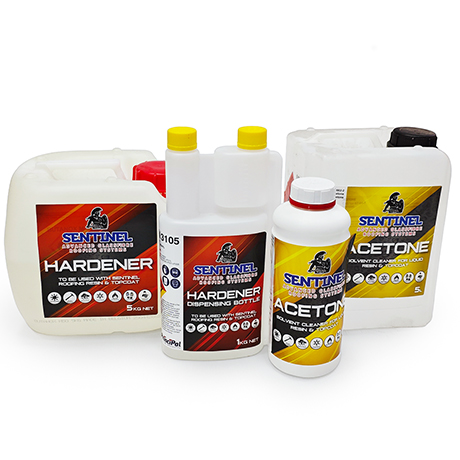

GRP roofing supplies for fibreglass flat roof installations and repairs, helping you build a seamless waterproof finish. This range covers GRP roofing materials for a complete GRP roofing system, including GRP roofing resin and topcoat, fibreglass rolls, GRP trims, additives and accessories. Choose the right components to suit your roof build-up, coverage and detailing.
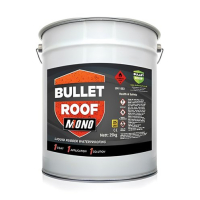 Bullet Roof Mono Liquid Rubber Paint 25kg-£15.88From £257.54 £214.62 From £273.42


What is GRP roofing, and what is it used for?
GRP roofing (glass reinforced plastic), also known as fibreglass roofing in the UK, is a seamless flat roofing system. It is made by laminating fibreglass reinforcement with resin and applying a protective topcoat. Once cured, it forms a durable, waterproof layer that can be finished with GRP trims.
What is it used for?
- Flat roofs on garages, extensions, dormers and bay roofs
- Refurbishments and re-roofing where you want a durable, low-maintenance finish
- Detailing and edge work around perimeters and junctions using GRP trims
- Repairs and patching on existing GRP/fibreglass flat roofs
- Watertight finishing around roof details, where clean edges and reliable run-off matter
What you need for a GRP roofing system
A GRP (fibreglass) roofing system consists of a few key components that work together to create a durable, seamless waterproof finish. Below are the typical components and their functions:
-
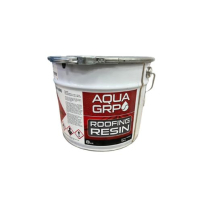
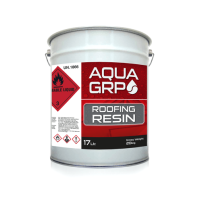
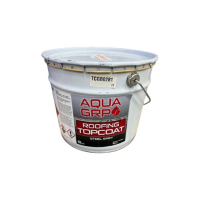
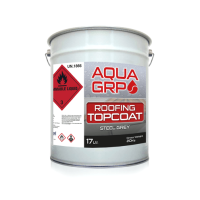
GRP Top Coat & Resin – the core liquids of the system. Resin is used to saturate the fibreglass and build the waterproof laminate layer, while topcoat is the final protective finish that seals the surface and improves durability (often available in different colours, depending on the range).
-
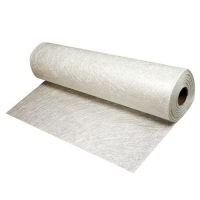
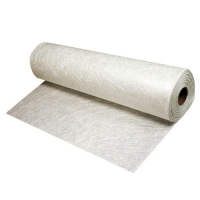
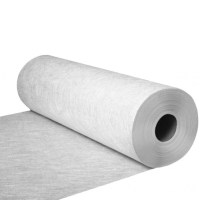
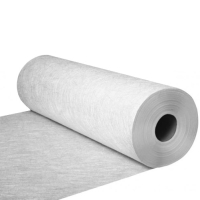
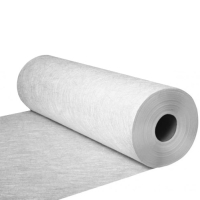
GRP Fibreglass Rolls – the reinforcement layer that gives the roof its strength once fully saturated with resin. Roll widths and weights are chosen based on roof area and how much detailing you’re working around.
-
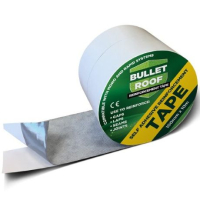
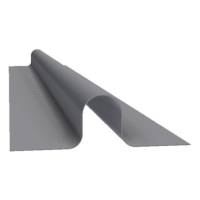
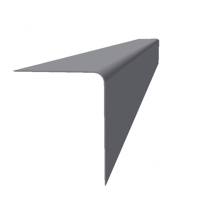
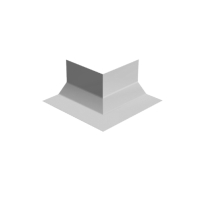
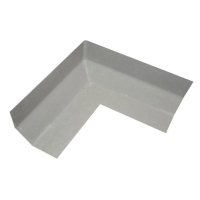
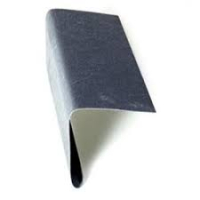
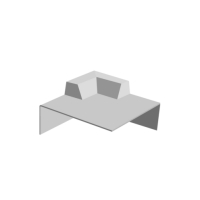
GRP Trims – edge and detailing trims used to finish perimeters and junctions neatly. They help create clean roof edges, tidy upstands and reliable run-off around the roofline.
-
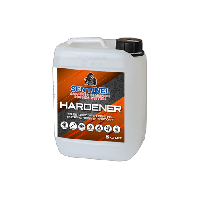
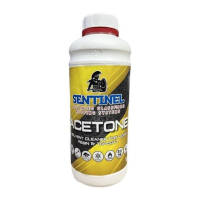
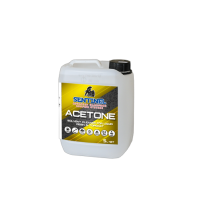
GRP Additives – supporting products used for preparation and activation, such as catalysts/hardeners where required, plus cleaners for tools and surfaces. What you need depends on the resin/topcoat system you’re using.
-
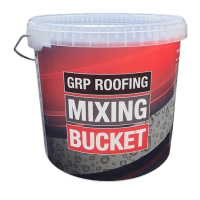
GRP Accessories – application essentials such as rollers, brushes and mixing tools, helping you lay up an even laminate and achieve a consistent finish.
To choose the right items, start with your roof area and the amount of detailing, then compare pack sizes and coverage. Where possible, keep components compatible within the same system/range for best results.
How to choose the right fibreglass roof components
Most GRP roofing jobs follow the same order: resin + fibreglass reinforcement + topcoat, then trims to finish the edges and details. Your GRP range is split into the key groups - GRP Top Coat & Resin, GRP Fibreglass Rolls, and GRP Trims - so you can pick what you need for the job.
- Start with the roof area and the details
Note your m², then count the “awkward bits” (perimeters, corners, upstands, junctions). More detailing usually means more reinforcement and trims. - Choose resin and topcoat by coverage
Pick pack sizes that suit your roof area, and keep an eye on coverage per pack so you’re not short mid-job. - Match fibreglass rolls to the field vs detailing
Use roll widths that make sense for the main area, and allow extra for overlaps and tight details around edges and junctions. - Select trims based on the detail you’re finishing
Choose trims to match what you actually have on the roof (edges/drips, corners, upstands), then add enough length for the full perimeter.
GRP roofing cost and value
GRP roofing costs are best thought of as a “system cost” rather than the price of a single item. On a GRP flat roof, the total material spend is driven by how much fibreglass roof resin and GRP topcoat you need for your area, plus the amount of fibreglass reinforcement, GRP trims, and the supporting additives/consumables. That’s why “how much is GRP roofing per m²” (or GRP roofing cost per m²) varies so much from job to job.
What changes the cost the most:
- Roof size (m²) and waste allowance: overlaps and cut waste increase consumption.
- Detailing complexity: more junctions and edge work = more trims + more reinforcement.
- System build-up: heavier reinforcement or extra layers increase resin/topcoat usage.
- Substrate condition: poor deck prep costs more (and costs more again if skipped).
- Compatibility: mixing random components to chase the cheapest GRP roofing often leads to rework; sticking to a compatible set of products is usually better value.
Where GRP earns its value is in the finished result: a seamless fibreglass roofing layer with robust detailing, which helps reduce weak points at laps and joints. In the UK, the most cost-effective approach is to measure accurately, plan trims and detailing first, then choose resin/topcoat pack sizes based on coverage so you buy “enough once” rather than topping up mid-job. At MGN Builders Merchants, you can source GRP roofing materials and supplies as a complete set of core components—resin, topcoat, reinforcement and trims—so you’re matching the system to the roof, not guessing on site.
FAQs
How much is GRP roofing per m2?
GRP roofing cost per m² depends on roof size, the condition of the deck, and how much edge/flashings detail is needed. Materials are usually priced separately (resin, topcoat, fibreglass mat, trims, catalysts/cleaners), and labour varies by complexity. For an accurate figure, price it from the roof measurements and the system specification you’re using.
What does GRP roofing stand for?
GRP stands for Glass Reinforced Plastic. It’s also commonly called fibreglass roofing.
How long does a fibreglass roof last?
A properly installed GRP fibreglass flat roof typically lasts around 20–30+ years. Lifespan depends on correct detailing, roof movement control, and maintenance of joints and edges.
How to fibreglass a flat roof?
Use a sound, dry, clean deck (commonly OSB3), fit edge trims, and prime if required by the system. Apply fibreglass mat with catalysed resin, let it cure, then apply a catalysed topcoat to seal and finish. Follow the manufacturer’s mix ratios and cure times exactly to avoid weak spots and leaks.
Which is best for a flat roof rubber or fibreglass?
Fibreglass (GRP) suits roofs where you want a seamless, rigid finish and strong edge detailing. Rubber (EPDM) suits roofs where flexibility and movement tolerance matter, and it’s often faster on simple shapes. The best option depends on roof movement, detailing complexity, and installer familiarity with the system.