

Filters
Shopping Options
Primers & Undercoats
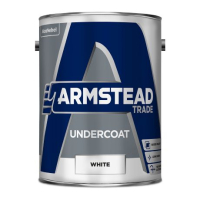
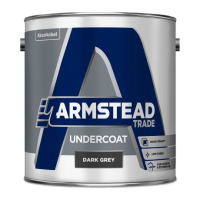
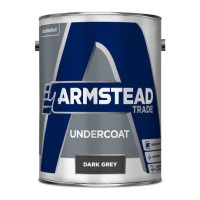
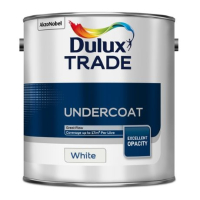
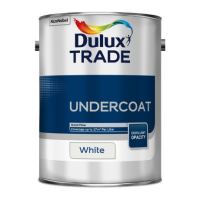
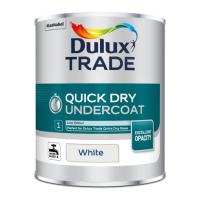
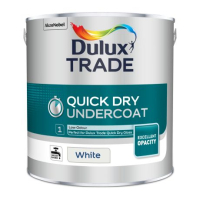
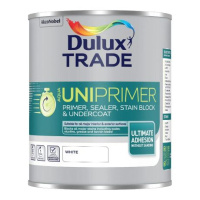
Primer vs Undercoat: What Does Each One Actually Do?
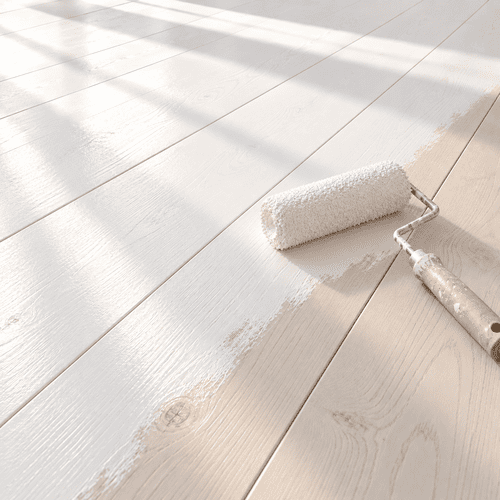
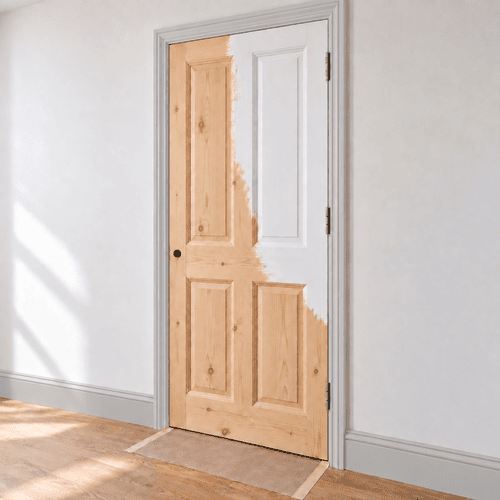
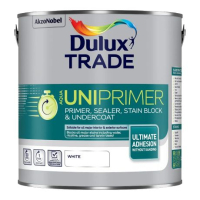
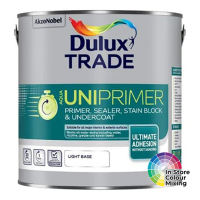
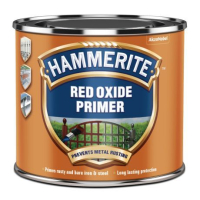
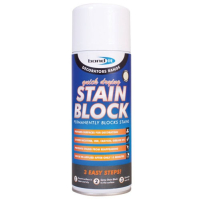
Primer and undercoat perform different jobs within a paint system, even though the terms are sometimes used together. Paint primers are designed to prepare suitable bare, porous or difficult surfaces for following coats, helping establish the correct base for the paint system. Undercoat is normally used between a prepared surface and the finishing coat to create a more uniform base, improve hiding and support the appearance of the final finish. Some products combine primer and undercoat functions, but whether a combined product is suitable depends on the substrate and the complete paint system being used
Do You Need Primer, Undercoat or Both for the Job?
Whether you need primer, undercoat or both depends on what you are painting, the condition of the surface and the finishing paint that will follow. We recommend working from the requirements of the complete system rather than automatically adding every possible preparation coat.
Primer May Be Required When
- Painting bare surfaces – Uncoated timber, metal or other suitable substrates may require the correct primer first.
- Improving adhesion – Difficult surfaces can require a specialist primer before decorative coats are applied.
- Controlling absorption – Suitable primers can help prepare porous areas before the next stage.
Where the surface requires a dedicated primer, choose the appropriate Primer Paint for the substrate and following paint system.
Undercoat May Be Required When
- Preparing for the finishing coat – A compatible undercoat can create a more consistent base beneath the final paint.
- Changing colour significantly – The correct undercoat can help establish a more suitable base for the new colour.
- Following a specified paint system – Some gloss and other finishing systems specifically require an undercoat.
Browse our Undercoat Paint options where the selected finishing system calls for a separate intermediate coat.
Both May Be Required When
- Working through a traditional paint system – Some bare surfaces require primer first, followed by undercoat and then the topcoat.
- Painting timber – A wood primer and undercoat system may involve separate products or a combined formulation, depending on the specification.
- Using combination products – A primer undercoat paint can perform more than one preparation function where it is approved for the substrate.
A water based primer and undercoat may also be suitable where quicker drying and water-based application are required, but it should still be matched to the substrate and finishing paint.
Brush, Roller or Spray: How Should You Apply Primer & Undercoat?
The best application method depends on the product, the shape and size of the surface and the finish required. Before applying any primer and undercoat paint, check which methods are approved for that particular product and use suitable equipment from our Decorating Tools range.
Brush
- Detailed areas – Well suited to edges, mouldings, frames and other shaped surfaces.
- Controlled application – Makes it easier to work the coating into corners and smaller areas.
- Avoid overloading – Excess product can leave runs or heavy brush marks.
Roller
- Larger flat surfaces – Useful where a consistent coat needs to be applied across a wider area.
- Choose the right sleeve – Roller type should suit both the coating and the surface texture.
- Maintain an even film – Spread the product consistently rather than repeatedly working areas as they begin to dry.
Spray
- Product approval matters – Not every primer or undercoat is suitable for spray application.
- Follow thinning instructions – Only thin the product where its application guidance permits it.
- Control overspray – Protect surrounding surfaces and use the correct spraying equipment.
Why Does Finishing Paint Fail Over Primer or Undercoat?
A finishing coat can still fail even when primers and undercoats have been used if the different layers are not compatible or the preparation coat is not ready to receive the topcoat. Problems can appear as poor adhesion, peeling, an uneven finish, visible patchiness or a coating that remains softer than expected.
- Incompatible products – Primer, undercoat and topcoat should belong to a compatible paint system.
- Recoating too early – A surface can feel dry before it has reached its stated recoat stage.
- Dust or contamination – Sanding dust, grease and other residues between coats can interfere with adhesion.
- Unstable previous coatings – New paint cannot correct loose or poorly bonded material underneath it.
- Incorrect product choice – A primer or undercoat designed for one substrate may not perform correctly on another.
- Excessively heavy coats – Applying too much product can extend drying and affect subsequent layers.
The safest approach is to treat the primer undercoat and finishing paint as one complete system. Check substrate suitability, coat requirements and recoat times at each stage so every layer is ready before the next one is applied.
FAQs
What primer or undercoat should I use on walls?
Standard previously painted walls do not normally require a traditional wood or metal undercoat when they are sound and being recoated with a compatible wall paint. Bare, porous, stained or problem areas may instead require an appropriate primer, sealer or other preparation coat suited to the surface. Always follow the preparation requirements of the chosen wall paint rather than automatically applying primer or undercoat across the whole wall.
Can primer and undercoat be used on exterior wood?
Yes, primer and undercoat can be used on exterior wood when the products are specifically approved for outdoor timber applications. Bare exterior wood may require a suitable primer followed by an undercoat, or a combined exterior primer and undercoat where the paint system allows it. Finish with a compatible exterior topcoat so the complete system is suitable for weather exposure.
Do I need to undercoat a previously painted door?
A previously painted door does not always need undercoat if the existing coating is sound, properly prepared and compatible with the new finishing paint. Undercoat may be required where there are repaired or exposed areas, a significant colour change or where the chosen topcoat system specifically calls for it. Clean and sand the existing coating as required before deciding which preparation coat is needed.
Do MDF surfaces need primer or undercoat before painting?
Bare MDF should normally be primed before painting because the board, particularly its cut edges, can absorb paint unevenly. Use a primer specifically suitable for MDF or a compatible multi-surface primer, making sure edges and machined areas are prepared properly. Whether a separate undercoat is then required depends on the finishing paint and the complete system specified for that product.
Do radiators need primer or undercoat before painting?
Bare or exposed metal on a radiator may require a suitable metal primer before radiator paint is applied. A sound previously painted radiator may not need a separate primer or undercoat if the chosen radiator paint is approved for direct application to the prepared existing coating. Always allow the radiator to cool completely and follow the preparation and recoating instructions for the selected paint system.
Do I need to prime filler before painting?
Some dried fillers can be more porous than the surrounding surface, so priming may be required to prevent the repaired area from absorbing the finishing paint differently. Allow the filler to dry fully, sand it smooth and remove all dust before applying any recommended primer or preparation coat. Check the filler and finishing paint instructions, as not every repair requires the same treatment.