

Filters
Shopping Options
Plaster
Explore plaster products for internal walls, ceilings, drylining, skimming, jointing and base coat preparation. Choose from professional bags of plaster, including finishing plaster, undercoat plaster, plaster compound and powdered plaster for trade and renovation work.
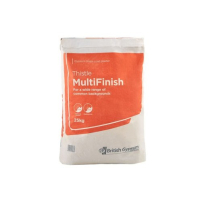
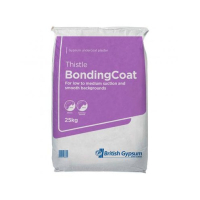
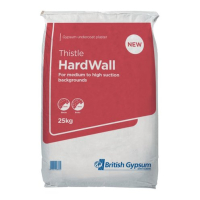
Professional Plaster Bags for Internal Finishing and Base Coat Work
Professional plaster is the foundation of smooth, durable interior finishes, helping create surfaces that are ready for decoration and built to last. From skimming and jointing to base coat preparation and drylining work, choosing the right plaster ensures reliable results at every stage of the project.
Choosing the Correct Plaster Type for the Surface
Choosing the correct plaster for walls and ceilings depends on the background, the application stage and the finish required. Plasterboard usually needs a finishing plaster or jointing compound, while brick, block and masonry backgrounds may need an undercoat plaster before the final skim coat is applied.
For better results, check:
- Surface type - Plasterboard, brick, block, concrete and treated backgrounds may need different plaster products.
- Application stage - Base coat, finish coat, plaster compound or adhesive.
- Background suction - High-suction surfaces may need preparation before plastering.
- Finish required - Some products are designed for skimming, while others are used below the final surface.
Finish Coats, Base Coats and Compounds: What Each Product Is For
- Finishing plaster - Used for creating a smooth final skim coat. Best for walls and ceilings ready for decoration.
- Undercoat plaster - Used for levelling and building out backgrounds. Best for brick, block and uneven masonry.
- Plaster compound - Used for jointing, filling and finishing board joints. Best for drylining and plasterboard finishing.
- Plasterboard adhesive - Used for bonding plasterboard to suitable backgrounds. Best for direct board fixing.
Finishing plaster is used when the surface is already flat and needs a smooth final layer. Undercoat plaster is used earlier in the process, especially when walls need levelling before a finish coat is applied. A plaster compound is mainly used for plasterboard jointing and filling, rather than full wall plastering.
For masonry preparation, products such as thistle undercoat plaster are often selected to create a suitable base before applying a finishing coat.
Planning Bag Size, Coverage and Working Time
The Plaster bags 25kg are commonly used for larger jobs because they offer practical coverage for trade plastering, renovation work and full-room preparation. Smaller bags or tubs may be better for patching, jointing or lighter finishing tasks.
Before ordering, compare the product details carefully:
- Coverage per bag
- Recommended application thickness
- Water mixing ratio
- Working time and setting time
- Suitable background type
- Whether a finish coat is needed afterwards
Coverage can change depending on the wall condition, product type and thickness applied. Checking these details before buying helps reduce waste and makes it easier to plan material quantities for walls, ceilings and board finishing.
Complete the Job with the Right Drylining Accessories
Plaster performance depends on correct preparation, clean application and the right supporting products. Drylining accessories can help improve joint strength, corner protection, board fixing and surface finish, especially on plasterboard and repair work.
Useful related products include jointing tape, angle beads, scrim tape, bonding agents, fixings, mixing tools and plasterboard products. Choosing these alongside the correct plaster helps create cleaner edges, stronger joints and a better finish across internal plastering and drylining projects.
FAQs
How do I know if a wall needs plaster preparation before applying a new coat?
A wall may need preparation if it is dusty, uneven, highly absorbent, glossy, cracked or previously painted with a weak surface. Before applying plaster, the background should be clean, stable and suitable for the product being used, as poor preparation can affect bond strength and finish quality.
Can different types of plaster be used together on the same project?
Yes, different plaster types are often used together when each product is used for the correct stage. For example, an undercoat plaster may be used to level a masonry wall, followed by a finishing plaster to create the final smooth surface.
Can plaster be applied in cold or hot weather conditions?
Temperature can have a significant effect on plaster performance. Cold conditions may slow setting times and increase the risk of poor curing, while excessive heat can cause plaster to dry too quickly, making it harder to work and potentially affecting the finish. Always follow the manufacturer's recommended application temperature range.
Why does background suction matter when choosing plaster?
Background suction affects how quickly moisture is pulled out of the plaster after application. If suction is too high or too low, the plaster may set unevenly, lose workability or fail to bond correctly, so the surface may need damping, priming or a bonding agent first.
Can plaster be applied directly over old painted walls?
Plaster can only be applied over painted walls if the surface is sound, clean and properly prepared. Glossy, flaking or weak paint can stop plaster from bonding correctly, so the wall may need abrasion, sealing or a suitable bonding treatment before plastering.
How should unused plaster bags be stored on site?
Unused plaster bags should be stored in a dry, covered area and kept off the floor to protect them from moisture. Bags that have become damp, hardened or lumpy should not be used, as this can affect mixing, setting and final performance.