

Filters
Shopping Options
Chipboard Sheets
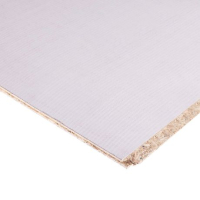

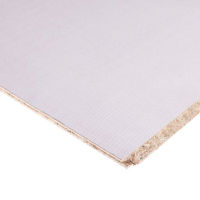
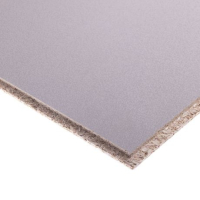
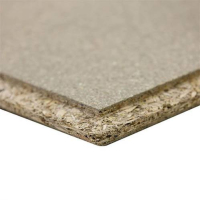
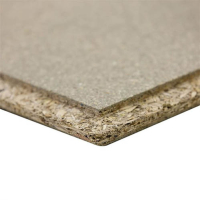
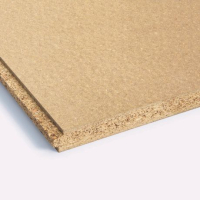
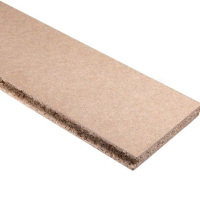
What Is Chipboard and Where Is It Used?
Chipboard is an engineered wood-based panel made from compressed wood particles and resin, giving builders a practical board for internal construction, flooring and fit-out work. It is often referred to as particle board and is valued on site because it offers a reliable balance of coverage, workability and cost. Depending on the grade, thickness and edge profile, it can be used for anything from floor decking and loft access to furniture carcassing and general dry interior applications.
Where Is It Used?
- Flooring and subfloors - Flooring-grade boards are commonly used to form a stable floor deck over joists in domestic refurbishments, extensions and commercial interiors.
- Loft boarding - Loft panels are used to create safer access routes and storage platforms where the roof space is suitable for light storage.
- Internal building work - Standard boards can be used for boxing-in, temporary protection, basic boarding and non-decorative interior applications.
- Furniture and carcassing - Chipboard is widely used for kitchen units, wardrobes, cabinets, shelving and other interior joinery where a flat panel is needed.
- Humid internal areas - Moisture resistant boards, including P5 flooring grades, are suitable for areas such as kitchens and utility rooms when correctly installed and protected from standing water.
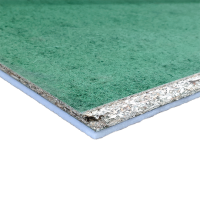
- Acoustic floor systems - Acoustic chipboard flooring can be used as part of a build-up designed to reduce impact sound between floors, particularly in flats, conversions and upper-storey refurbishments.
Choosing the Right Chipboard Sheet for the Job
The best board depends on the application, expected loading, site conditions and whether the product needs to form part of a structural or acoustic floor system.
- For standard floor decking - Use flooring-grade chipboard with a suitable thickness and edge profile for the project. Tongue and groove boards are usually preferred because they help create tighter joints and a more stable deck.
- For moisture-prone rooms - Use moisture resistant chipboard where the board may be exposed to normal levels of humidity during use. It is important to remember that moisture resistant does not mean waterproof.
- For loft spaces - Choose loft panels that are easier to handle through a hatch and suitable for the intended access or storage load.
- For stronger floor build-ups - Thicker or higher-grade boards may be needed where the floor needs better rigidity, improved load performance or a more robust finish.
- For acoustic requirements - Use acoustic flooring boards where sound reduction is part of the specification, especially in flats, HMOs, conversions and multi-storey homes.
- For general interior work - Standard chipboard panels can be suitable for carcassing, shelving, boxing-in and dry internal boarding where appearance and moisture exposure are not the main concerns.
- For faster installation - Tongue and groove edges help boards line up more accurately, reduce movement at the joints and make floor laying more efficient on site.
- For site handling - Store boards flat, raised from the ground and protected from rain before installation. Even moisture resistant boards should not be left exposed to wet site conditions.
Benefits of Chipboard Sheets and Chipboard Flooring
- Good value for large areas - Chipboard is a practical option when covering floors, lofts or internal spaces where material cost and board coverage matter.
- Suitable for flooring work - Flooring-grade boards provide a stable deck when the correct grade, thickness and fixing method are used.
- Available in useful specifications - Builders can choose from standard boards, P5 moisture resistant options, tongue and groove flooring, loft panels and acoustic boards depending on the job.
- Efficient to install - T&G flooring boards are designed to fit together neatly, helping reduce movement and speed up installation.
- Easy to cut on site - The material can be trimmed with standard woodworking tools, making it practical around pipework, walls, joists and awkward corners.
- Useful for refurbishments and fit-outs - It works well across common UK trade applications, from floor replacement and loft boarding to kitchen carcassing and internal boxing.
- Moisture resistant grades are available - P5 boards offer better resistance to humidity than standard chipboard, making them useful for suitable internal flooring applications.
- Makes efficient use of timber by-products - As a manufactured wood panel, chipboard uses compressed wood particles rather than solid timber sections.
- Compatible with common flooring accessories - Depending on the specification, boards can be installed with suitable screws, flooring adhesive, joint sealant or acoustic system components.
Chipboard vs MDF, OSB and Plywood: Which Sheet Material Should You Choose?
Chipboard, MDF, OSB and plywood are all sheet materials, but they perform differently, so the right choice depends on whether the priority is flooring, finish quality, structural use, moisture tolerance or budget.
- Chipboard - A practical choice for internal floors, loft boarding, carcassing and general dry interior work. It is usually selected where builders need an economical board with good coverage and straightforward installation.
- MDF - Better suited to decorative joinery, painted furniture, shelving and interior panels where a smooth, clean surface is more important than floor performance.
- OSB - Commonly used for structural sheathing, roofing, wall boarding and rougher site applications. It is generally a better fit than chipboard where a tougher construction panel is specified.
- Plywood - The stronger and more versatile option for demanding work, especially where fixing strength, durability and moisture tolerance are important. It is often more expensive, so chipboard can be the better-value option for standard internal flooring and boarding tasks.
FAQs
What is chipboard used for?
Chipboard is used for internal building and fit-out work, including floor decking, subfloors, loft boarding, furniture carcassing, shelving and dry interior boarding. Builders often use flooring-grade chipboard over joists to create a stable deck before the final floor finish is installed.
What is P5 chipboard?
P5 chipboard is a moisture resistant particle board grade commonly used for internal flooring. It is designed for load-bearing use in humid conditions, which makes it suitable for many domestic floors, refurbishments, kitchens and utility rooms when installed correctly.
Is 18mm or 22mm chipboard better for flooring?
22mm chipboard flooring usually gives a stiffer, more solid feel underfoot, so it is often preferred for standard floor decking and heavier-use areas. 18mm chipboard can still be suitable for some flooring projects, but the right choice depends on joist spacing, loading, board grade and the specification for the job.
What is moisture resistant tongue and groove chipboard flooring?
Moisture resistant tongue and groove chipboard flooring is a flooring board designed for internal floor decks where both joint strength and improved resistance to humidity are useful. The tongue and groove edges help the boards lock together neatly, while the moisture resistant grade gives better protection than standard chipboard in suitable indoor conditions.
Is moisture resistant chipboard waterproof?
No. Moisture resistant chipboard is not the same as waterproof chipboard. It can cope better with normal humidity and limited moisture exposure than standard boards, but it should still be protected from rain, standing water and prolonged wet site conditions.
Does chipboard flooring have to join on a joist?
It depends on the board type and the manufacturer’s fitting instructions. Tongue and groove flooring boards are designed to support tighter joints, but cut edges, perimeter edges and unsupported sections may still need proper support from joists, noggins or the floor system specified for the project.
Which way up does chipboard flooring go?
Always follow the markings and fitting guidance on the board. In most installations, the boards should be laid so the tongue and groove edges fit tightly, the joints are staggered where required, and the floor deck is properly supported before the final floor covering is added.
How do you stop chipboard floors creaking?
Creaking usually happens when boards, joists or fixings move against each other. To reduce the risk, use the correct flooring screws or fixings, apply adhesive where specified, support board edges properly, keep joints tight and avoid damaged or uneven joists before laying the boards.
Can you tile over chipboard flooring?
Tiling directly onto chipboard is usually risky because the board can move or react to moisture. For a tiled finish, builders normally use a suitable tile backer board, decoupling layer or manufacturer-approved preparation system to create a more stable surface.
How should chipboard sheets be stored on site?
Store chipboard sheets flat, raised off the ground and protected from rain or wet site conditions. Even moisture resistant boards should be kept dry before installation, because swollen edges or water-damaged boards can affect the fit and long-term performance of the floor.