

Filters
Shopping Options
Cement





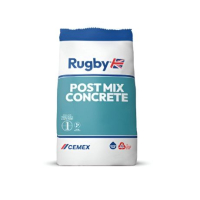

Cement for Building & Construction Use
Cement is a construction binding material that reacts with water to form a strong, durable base when mixed with sand or aggregates. It plays a central role in building work, enabling brick and block laying, structural repairs and a wide range of general construction tasks across both trade and DIY projects.
Types of Cement Used in Construction
- General Purpose Cement – A versatile Portland cement suitable for a wide range of everyday building tasks, including brick and block laying, concrete mixing and general construction work where no specialist performance characteristics are required.
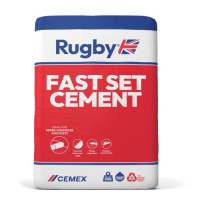
- Fast Set Cement – A high-performance cement designed to set and gain strength significantly faster than standard cement, making it suitable for time-critical repairs, fixings and construction jobs where reduced waiting times are essential.
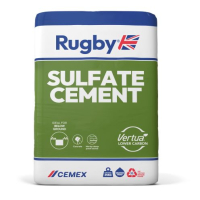
- Sulphate Resistant Cement – A specialised cement developed to withstand sulphate attack in ground and external conditions, commonly used in foundations, drainage works and environments where soil or groundwater exposure may affect standard cement.
- White Cement – A refined Portland cement with a lighter colour, selected for decorative, architectural and colour-sensitive applications where a clean, consistent finish is required or where pigments and finishes are applied.
Cement Bag Sizes & Prices
Cement is most commonly supplied in 25kg cement bags, which are suitable for both trade and DIY use and easy to handle on site. Small cement bags are also available for minor repairs and quick jobs where only a limited quantity is required.
The price of cement can vary depending on bag size, cement type and order volume, with bag of cement price typically reflecting whether cement is purchased individually or as part of a larger order.
What Is Cement Used For?
-
Cement for brick and block laying – Used in masonry work to lock bricks and blocks into place, creating stable walls and load-bearing structures in residential and commercial builds.
-
Cement for concrete mixing – Used as the core binding element that allows aggregates and water to form a solid mass for slabs, bases, footings and structural concrete work.
-
Cement for construction repairs – Used to restore strength and stability during building repairs, including securing fixings, filling damaged sections and reinforcing existing structures.
-
Cement for general building work – Used across a wide range of construction tasks, supporting both trade and DIY projects where durability, strength and long-term performance are required.
FAQs
How long does cement take to dry?
Cement does not dry by evaporation; it hardens through a hydration process once mixed with water. In most cases, cement-based materials become firm within a few hours, allowing light work to continue. However, strength develops gradually, with full curing taking significantly longer, especially in concrete applications.
How long does cement take to set?
Setting is the stage where cement loses workability and begins to harden, rather than reaching full strength. Standard cement typically starts to set within 1–2 hours under normal conditions. Rapid or fast set cement is designed to shorten this timeframe for urgent repair and fixing work.
How much is a bag of cement?
The cost of a cement bag depends mainly on cement type and bag size, with 25kg general purpose cement typically priced lower than rapid or sulphate resistant options. Specialist cements and smaller bags may cost more per kilogram. Prices can also vary based on order quantity and availability.
How much does a bag of cement weigh?
In the UK, the standard size for most building work is a 25kg cement bag. Smaller bags, such as 5kg, are also available for minor repairs or lighter handling. Always check the stated weight, as “cement bag” does not automatically mean 25kg.
Does cement go off or expire?
Cement does not have a fixed expiry date, but its performance can be affected by poor storage conditions. Exposure to moisture can cause partial hardening inside the bag, leading to lumps and reduced strength. Storing cement in a dry, sealed environment is essential to maintain quality.
What is cement made of?
Most building cement is made from clinker, produced by heating limestone and clay-based materials, then grinding the result into a fine powder. A small amount of gypsum is added to control setting time. This composition is what gives cement its strength, durability and predictable setting behaviour.
Where to buy cement?
Cement is available from builders’ merchants such as MGN Builders Merchants, offering a choice of cement types and bag sizes for both trade and DIY projects. Free delivery across London, Essex & Kent, along with same-day Click & Collect, helps ensure the right cement is available when needed.