

Filters
Shopping Options
Undercoat Paint
Undercoat paint creates a smooth, even base that helps the finishing coat look more consistent and professional. Choose from water-based and solvent-based options for wood, metal and other suitable surfaces, depending on the paint system and location. Explore our range at MGN Builders Merchants to find the right product for your job.
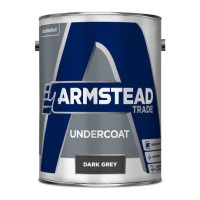
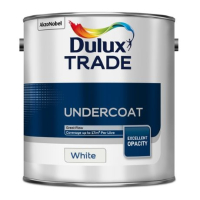
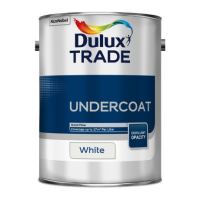
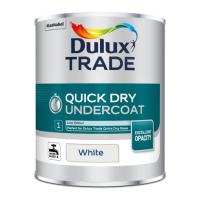
Choosing the Right Undercoat Paint for the Surface and Topcoat
Undercoat paint creates a consistent base between a prepared surface and the finishing coat, helping the complete paint system achieve an even, well-prepared finish. We recommend choosing an undercoat paint for wood or suitable metal undercoat paint according to the substrate, whether the work is indoors or outdoors, and the type of topcoat being applied. Water-based and solvent-based systems perform differently, so the undercoat should always be matched to the finishing product rather than selected in isolation. We also recommend considering the undercoat colour when making a significant colour change, particularly when moving between very light and very dark finishes.
Water-Based vs Solvent-Based Undercoat: Which Suits the Job?
Choosing between a water based undercoat and a solvent based undercoat affects drying time, working method and the finishing system used.
Water-Based Undercoat
- Faster turnaround – Typically allows the next decorating stage to begin sooner.
- Suitable applications – Options are available for interior wood and prepared metal.
- System compatibility – Best paired with a compatible water-based finishing product.
- Practical application – Useful where shorter drying and recoat periods are important.
Solvent-Based Undercoat
- Longer drying period – Usually requires more time before the finishing coat can be applied.
- Interior & exterior options – Suitable products can be used as a wood undercoat or on correctly prepared metal.
- Traditional systems – Commonly paired with solvent-based gloss finishes.
- Exterior suitability – Always confirm that the chosen exterior undercoat paint is approved for outdoor use.
Products such as Dulux Trade undercoat are designed to work as part of a complete decorating system. We recommend checking the intended topcoat before application so the undercoat and finishing paint remain compatible.
Preparing Bare, Primed & Previously Painted Surfaces for Undercoat
The preparation required before undercoating depends on the condition and type of surface already present.
Bare Surfaces
Bare wood or metal may require an appropriate primer before the undercoat is applied. We recommend making sure timber is sound, clean and dry, while metal should be properly prepared and free from loose coatings, rust and contamination. Where a separate primer is required, browse our Primer Paint options before moving on to the undercoat.
Primed Surfaces
Allow the primer to dry fully before continuing and make sure it is compatible with the chosen undercoat. Light sanding can be used where required to remove small imperfections, but all sanding dust should be removed before applying the next coat.
Previously Painted Surfaces
Remove loose or poorly adhering paint before sanding sound existing coatings to create a suitable base. We recommend repairing defects before undercoating rather than relying on the undercoat to conceal damaged or unstable paintwork.
One Coat or Two? How Many Coats of Undercoat Do You Need?
The correct number of coats depends on the product specification, the condition of the prepared surface and the degree of colour change.
One Coat
- Often sufficient where the paint system specifies a single undercoat.
- Suitable where the existing base is sound and reasonably uniform.
- Common within traditional undercoat and gloss systems.
Two Coats
- May be required for particular products or more demanding colour changes.
- Can help establish a more consistent base where specified by the paint system.
- Each coat must dry correctly before another coat is applied.
We do not recommend applying additional paint undercoat simply to build extra thickness. Follow the stated coat requirement for the product and use the recommended undercoat colour where the finishing system specifies one.
Drying, Sanding & Recoating Undercoat: When Is It Ready for the Topcoat?
Drying and recoat times vary considerably between formulations, so we recommend following the stated recoat time rather than relying only on how dry the surface feels. Water-based products generally allow the job to progress sooner, while traditional solvent-based undercoats often require a longer drying period before sanding or applying the final coat.
Once the full recoat time has passed, lightly sand where necessary to remove small imperfections and create a smooth base for the finish. Remove all sanding dust before applying the topcoat, as dust left on the surface can affect the appearance of the final result.
For gloss finishing systems, select a compatible product from our Gloss Paint category. We recommend treating the undercoat and topcoat as one complete system rather than two separate products, as compatibility between the layers is essential for a consistent finish.
Why Does Undercoat Colour Matter Beneath the Final Coat?
Undercoat does not always have to be white. White undercoat paint gives a neutral base beneath white and many lighter topcoats, while a grey exterior undercoat paint can help reduce the contrast beneath darker exterior colours where the chosen paint system recommends it. For projects that need something more specific, our Colour Mixing Lab also provides custom-colour options within compatible Dulux systems, so you are not necessarily limited to standard white or grey.
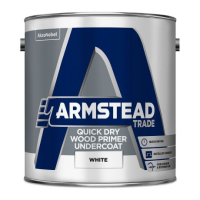
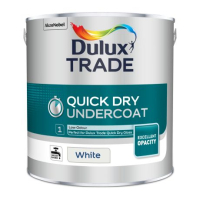
The important part is making sure the undercoat still suits the paint system you are using. dulux trade undercoat paint white 5l is designed as a base for correctly prepared and primed wood and metal before compatible finishing coats, while armstead trade quick dry wood primer undercoat white 2.5L combines the primer and undercoat stages for suitable interior and exterior timber. The Armstead option is therefore a clear example of undercoat paint for wood, rather than simply another white undercoat that can be used anywhere.
If you are looking for undercoat paint for walls, do not assume a product intended for wood or metal will also suit plaster or plasterboard. Wall preparation systems can use different primers or dedicated primer-undercoats, so check what the selected wall paint requires before choosing the preparation coat.
FAQs
Does eggshell paint need undercoat?
Not every eggshell paint requires a separate undercoat, as the correct system depends on the product and the surface being painted. Bare or previously coated wood and metal may require a compatible primer or undercoat where specified to create the correct base for the eggshell finish. Always follow the paint system recommended for the chosen eggshell product rather than assuming an undercoat is automatically required.
Can you use emulsion as undercoat on wood?
Emulsion paint should not normally be used as an undercoat on wood because it is designed primarily for walls and ceilings rather than timber paint systems. Using a suitable wood primer or undercoat provides a more appropriate base for the finishing paint and helps support reliable adhesion. Check the requirements of the chosen topcoat so the preparation products are compatible with the complete system.
Do painted walls need an undercoat before repainting?
Painted walls do not usually require a traditional wood or metal undercoat when the existing coating is sound and a compatible wall paint is being applied. Clean and prepare the surface properly, and use an appropriate primer or stain-blocking product where bare patches, stains or problem areas need additional treatment. The condition of the existing paint and the requirements of the new wall paint should determine whether any additional preparation coat is needed.
How do you thin undercoat paint?
Undercoat paint should only be thinned when the product instructions specifically allow it. Water-based products may require water where permitted, while solvent-based products need the correct compatible thinner stated for that paint. Never estimate a thinning ratio, as excessive thinning can affect application, film build and overall performance.
Can you use undercoat as a top coat?
Undercoat is generally not designed to be used as the final decorative coat. Its purpose is to provide a suitable base for a compatible finishing paint, while the topcoat provides the required appearance and final surface performance. Apply the specified topcoat once the undercoat has dried and been prepared according to the product instructions.