

Filters
Shopping Options
Wood Paint
Choose wood paint for a durable decorative finish on suitable interior and exterior timber, including doors, frames, skirting and garden woodwork. Interior wood paint focuses on appearance and day-to-day durability, while exterior wood paint is designed for timber exposed to changing outdoor conditions. Compare gloss, satin and eggshell finishes alongside water-based and solvent-based systems to find the right coating for the surface, environment and finish you want.
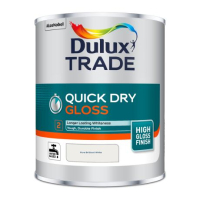
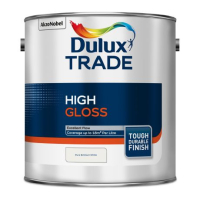
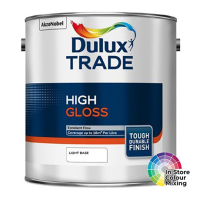 Dulux Trade High Gloss Paint for Wood & Metal Custom Colour 1LFrom £0.00 £21.00 From
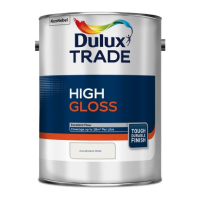
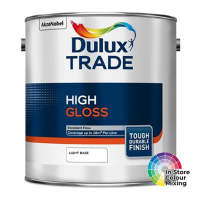 Dulux Trade High Gloss Paint for Wood & Metal Custom Colour 2.5LFrom £0.00 £39.00 From
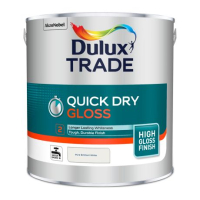
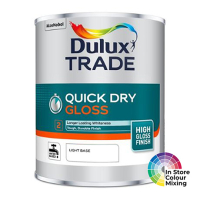 Dulux Trade Quick Dry Gloss Paint for Wood & Metal Custom Colour 1LFrom £0.00 £23.00 From
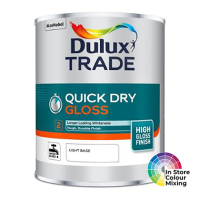 Dulux Trade Quick Dry Gloss Paint for Wood & Metal Custom Colour 2.5LFrom £0.00 £43.00 From
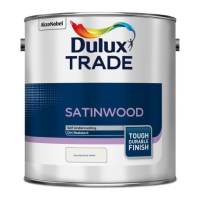
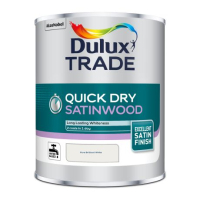
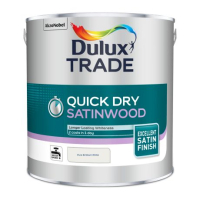
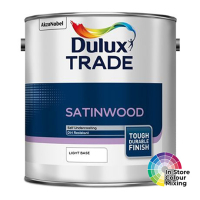 Dulux Trade Satinwood Paint for Wood & Metal Custom Colour 2.5LFrom £0.00 £47.00 From
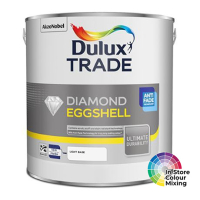 Dulux Trade Diamond Eggshell Emulsion Paint Custom Colour 2.5LFrom £0.00 £55.00 From
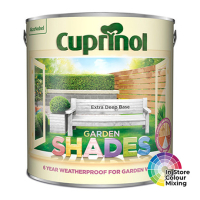 Cuprinol Garden Shades Extra Deep Base Custom Colour 2.5LFrom £0.00 £15.50 From
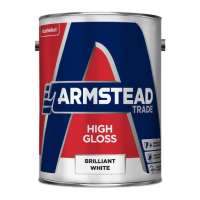
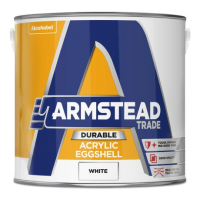
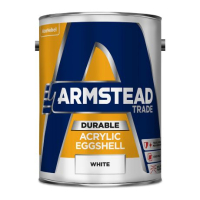
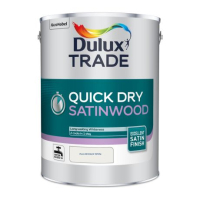
Choosing the Right Wood Paint for Interior & Exterior Projects
Choosing the right wood paint starts with where the timber is used and what the finished surface needs to withstand. Interior wood paint is suited to joinery such as doors, frames, skirting boards and other decorative woodwork, while exterior wood paint is formulated for timber exposed to changing outdoor conditions. The range also includes wood and metal paint, giving you options where compatible timber and metal surfaces need a coordinated finish. Before choosing by colour, compare the intended application, paint base and finish so the coating matches the surface and environment.
Gloss, Satin or Eggshell: Choosing the Right Finish for Wood
Finish changes both the appearance and character of painted timber. Gloss creates the strongest reflection and a more traditional high-sheen appearance, while satin gives joinery a softer, less reflective finish. Eggshell reduces the sheen further for a more understated result.
- Gloss paint for wood – High-sheen finish with a strong reflective appearance.
- Satinwood paint – Softer mid-sheen finish for a less reflective look.
- Eggshell paint – Lower-sheen option for a more restrained finish.
The right choice depends on the visual result required and whether the selected paint is suitable for the intended surface and location. If a high-shine finish is the priority, compare the dedicated Gloss Paint range; for a softer finish, explore Satin Paint.
Water-Based vs Solvent-Based Wood Paint: Which Suits the Job?
The choice between water-based and solvent-based paint for wood can affect drying time, recoating and how quickly the project can progress. Many water-based trim paints are designed for faster turnaround, with some options in the range recoatable within several hours. Solvent-based gloss and satin systems generally require longer between coats, but remain available where that type of coating system is preferred. Supplier specifications for representative products show water-based options recoatable in around 4–6 hours, while some solvent-based finishes require 16–24 hours.
- Water-based – Strong choice where quicker recoating and easier brush cleaning are priorities.
- Solvent-based – Suitable where a traditional solvent-based gloss or satin system is specified.
Neither is automatically the better option; the correct choice depends on the required finish, location and coating system.
New Timber vs Previously Painted Wood: Getting the Surface Ready
Surface condition determines what needs to happen before the topcoat is applied. Bare timber should be clean, dry and suitably prepared, while previously painted wood needs to be checked for loose, flaking or poorly bonded coatings before decoration begins.
- Bare timber – Smooth rough areas and use the specified primer where required.
- Sound existing paint – Clean and abrade where necessary before recoating.
- Loose or flaking paint – Remove unstable material until a sound surface remains.
- Damaged areas – Repair defects before applying the next stage of the coating system.
Suitable Abrasives help prepare bare timber and existing coatings before painting.
Build the Right Paint System with Primers, Undercoats & Tools
Not every wood-painting project uses the same sequence of coats. Some finishes are self-undercoating, while others form part of a primer, undercoat and topcoat system, so additional coatings should be selected according to the exact paint and substrate rather than added automatically. Supplier information confirms that some satin finishes are self-undercoating, while certain gloss systems are designed as part of a multi-stage system.
Choose compatible Primers & Undercoats where required from MGN Builders Merchants, then select brushes, rollers or other application tools suited to the chosen coating. Matching the preparation system, paint base and finish correctly gives the chosen wood paint colours the right foundation for a consistent finished result.
Choosing Outdoor Wood Paint for Sheds & Fences
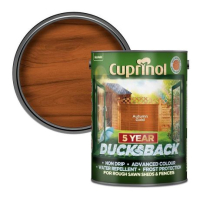
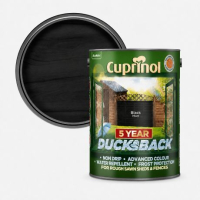
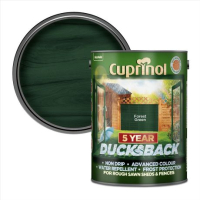
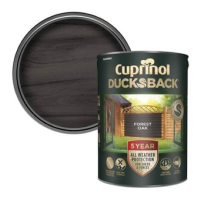
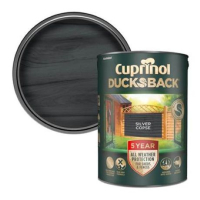
The right shed and fence paint depends on the timber surface, any existing coating and the colour you want to achieve. For rough-sawn timber, Cuprinol Ducksback Autumn Gold provides a warm brown colour with a wax-enriched, water-repellent finish for sheds and fence panels.
For a custom colour, Cuprinol Garden Shades 2.5L is a water-based exterior wood paint suitable for sheds, fences and garden furniture. Its matt finish adds colour while allowing the texture of the woodgrain to remain visible.
Before painting, make sure the timber is clean and dry and remove loose or flaking coatings. On previously coated surfaces, test a small area for colour and adhesion before continuing. Follow the selected product’s preparation and application instructions.
For larger sheds or longer runs of fencing, check the stated coverage and recommended number of coats to work out how much paint to order.
Choosing Wood Paint Colours: White, Black & Custom Shades
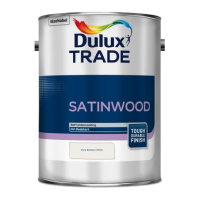
Choose wood paint colours alongside the finish, as gloss and satin can give the same shade a different appearance. For interior trim, white wood paint can create a consistent look across doors, frames and skirting boards. Dulux Trade Satinwood Pure Brilliant White provides a durable satin finish for interior woodwork.
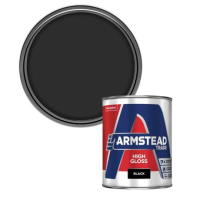
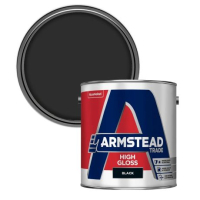
For stronger contrast, black wood paint can help define doors and frames against lighter walls. Choose a formulation suited to the location, whether you need an interior gloss or a coating for garden timber.
For a custom shade, Dulux Trade Satinwood 2.5L offers a colour-mixed satin finish for interior wood and metal. Test your chosen colour in the room before committing, particularly when coordinating woodwork with existing walls or flooring.
FAQs
Can you use masonry paint on wood?
Masonry paint should not normally be used on timber unless the exact product specifically lists wood as a suitable substrate. Masonry coatings are formulated primarily for mineral surfaces such as render, brick and concrete, while exterior wood moves and weathers differently. For timber, use a coating specifically approved for wood so the paint system is matched to the substrate.
How do you remove paint from wood?
The right removal method depends on the condition, thickness and age of the existing coating. Poorly adhering paint can be removed using controlled scraping, suitable chemical stripper or wet-abrasive methods, while sound coatings may only need keying rather than complete removal. Take extra care with older painted timber because historic coatings can contain lead, and dry sanding or uncontrolled heating can create hazardous dust or fumes.
Can you paint over varnished wood?
Yes, but the varnish must first be assessed for compatibility with the new coating. Some wood finishes require varnish to be completely stripped before repainting, while other systems may allow recoating after suitable preparation, so the instructions for the selected paint should take priority. A small adhesion test is sensible where the existing coating is uncertain.
Can you use acrylic paint on wood?
Yes, provided the acrylic paint is specifically stated as suitable for wood. The word “acrylic” describes the coating chemistry rather than guaranteeing suitability for every timber surface, and some acrylic finishes are designed for wood as well as other substrates. Check whether the exact coating is approved for the intended timber and for interior or exterior use before applying it.
Can you use wall paint on wood?
Standard wall emulsion should not automatically be treated as a wood paint because many wall paints are intended specifically for plaster, walls and ceilings. Some specialist emulsions and eggshell coatings are explicitly approved for wood, so suitability depends on the exact product rather than the word “emulsion” alone. If wood is not listed as an approved substrate, choose a dedicated wood or trim paint instead.
How do you seal emulsion paint on wood?
There is no universal clear sealer that should automatically be applied over emulsion on timber. If an existing emulsion coating needs additional protection, only use a clear finish that is explicitly compatible with both that paint and the wood beneath it, because an unsuitable topcoat can affect adhesion or appearance. Where long-term durability is important, using a finish designed for wood from the outset is generally more reliable than trying to convert ordinary wall emulsion into a wood coating.