

Filters
Shopping Options
Floor Paint
Choose floor paint for a hard-wearing finish on interior concrete and wood floors. The range includes matt and satin options suited to areas such as garages, workshops, storerooms and other regularly used spaces. Select the coating according to the floor surface, required finish and the level of traffic the area receives.
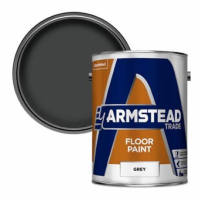
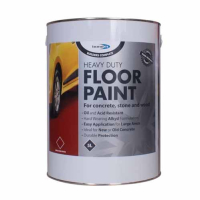

Choosing Floor Paint for Concrete & Wood Surfaces
Floor paint provides a durable decorative finish for interior floors that need more resistance than standard decorative coatings. The products in this category can be used as concrete floor paint and wood floor paint, with additional substrate suitability varying by product, and are designed for areas exposed to regular foot traffic and, depending on the coating, light or medium vehicle traffic.
Hard-Wearing Floor Paint: Matching Durability to the Level of Use
A hard wearing floor paint should be matched to how the area will actually be used. The products in this category cover different traffic levels, from domestic and light-industrial floors through to working areas such as garages, workshops, warehouses and storerooms.
- Domestic & light-industrial use – suitable for pedestrian traffic and light rubber-wheeled vehicles.
- Light to medium traffic – suitable for more demanding working areas, including floors used by forklifts and scissor lifts.
- Heavy or constant traffic – an epoxy-based coating is recommended where the demands exceed those of the alkyd floor paint.
The satin option also provides resistance to abrasion, dilute acids, alkalis and a range of oils. Where existing coatings or poorly adhered material need removing, suitable Abrasives can help prepare the floor before painting.
Matt vs Satin Floor Paint: Which Finish Suits the Space?
Matt and satin finishes create different appearances while both providing durable floor coatings. The matt option gives a flatter, lower-sheen finish with coverage of up to 16m²/L on smooth surfaces of average porosity, while the satin option provides approximately 15m²/L per coat and creates a slightly more reflective, easy-to-clean surface.
The matt coating is suitable for interior concrete, wood and metal, while the satin option can be used on interior concrete, wood, brick and stone floors. Finish should therefore be considered alongside the surface and the type of use the floor will experience.
From First Coat to Ready for Use: Understanding Drying & Recoat Times
The matt floor paint becomes touch dry in approximately 4–6 hours, can be recoated after 16–24 hours, and should be left for at least 24 hours in well-ventilated conditions before use. The satin option becomes touch dry in around 2–3 hours, also requires 16–24 hours between coats, and should not be trafficked until fully cured.
Concrete condition also matters before painting. For the satin coating, new concrete must be at least six months old, and unsuitable conditions include moisture readings above 18%, the absence of a waterproof membrane or the presence of a dust-suppressing additive. Where the floor needs repairing or levelling first, explore Screeding & Floor Levelling, with suitable Paint Brushes available for edges and detailed areas.
FAQs
Can you paint a wet room floor?
Not with the standard floor paints in this category. They are intended for interior floors but are not designed for surfaces that remain continuously wet or for areas with constant high humidity, such as wet rooms and shower areas. A coating specifically designed for continuously wet environments should be used instead.
Can you use masonry paint on a concrete floor?
Masonry paint should not generally be used as a substitute for concrete floor paint. Floor coatings are formulated to withstand foot traffic, abrasion and, depending on the product, vehicle traffic, while masonry paints are primarily intended for walls and other masonry surfaces. For a concrete floor, use a coating specifically approved for floor applications.
How do you remove floor paint from concrete?
Remove loose or flaking paint first using a scraper or suitable mechanical preparation method. More firmly bonded coatings may require a compatible paint stripper or further abrasion, depending on the existing coating and condition of the concrete. Test the removal method on a small area before treating the entire floor.
Is floor paint waterproof?
Floor paint should not automatically be considered waterproof. The coatings in this category can resist normal cleaning and occasional contact with water, but this does not mean they are suitable for floors that remain continuously wet or permanently exposed to moisture.
How to paint a garage floor?
Start with a sound, dry floor and remove dust, grease, loose material and poorly adhering existing coatings. Carry out any necessary repairs, then apply the selected floor paint by brush or roller using the required number of coats and allowing the specified time between them. Keep vehicles and foot traffic off the finished surface until the coating has cured sufficiently for use, and always check that the chosen paint is suitable for the traffic and conditions expected in the garage.