

Filters
Shopping Options
EPDM Rubber Roofing

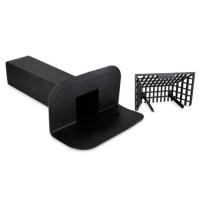
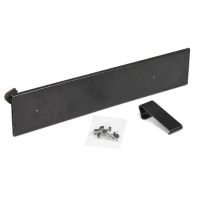
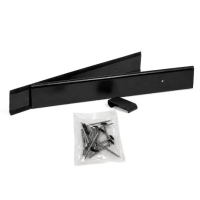
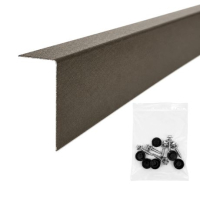
What Is EPDM Rubber Roofing?
EPDM rubber roofing is a durable, waterproof flat roof covering used on extensions, garages, garden rooms and other buildings. It is flexible, low maintenance and suitable for both new roofs and refurbishment projects. Designed to create a continuous protective layer, it helps reduce the risk of leaks when installed with the correct accessories.
Where EPDM Roofing Systems Are Used
An EPDM roof systems are most often used on flat or low-pitched roof areas. It is suitable for new roof installations, replacement work and repair projects where older felt, damaged coverings or worn roof surfaces need upgrading.
Common uses include:
- House extensions and rear additions where a long-lasting flat roof covering is required.
- Garages, porches and bay roofs that need a dependable waterproof surface.
- Garden rooms, offices and outbuildings where EPDM roofing material offers a practical roofing option.
- Commercial and light industrial roofs that need durable protection against rain and changing weather.
- Roof repair projects where compatible rubber roof materials help improve waterproofing, edges and roof details.
Compared with some felt-based systems, EPDM roofing is often preferred for projects where flexibility, weather resistance and lower maintenance are important. Felt can still be suitable for some short-term or budget-led jobs, but EPDM is usually chosen when the roof needs a stronger long-term solution.
Advantages and Limitations
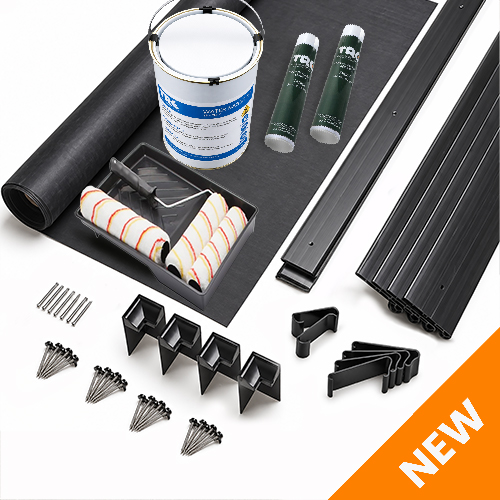
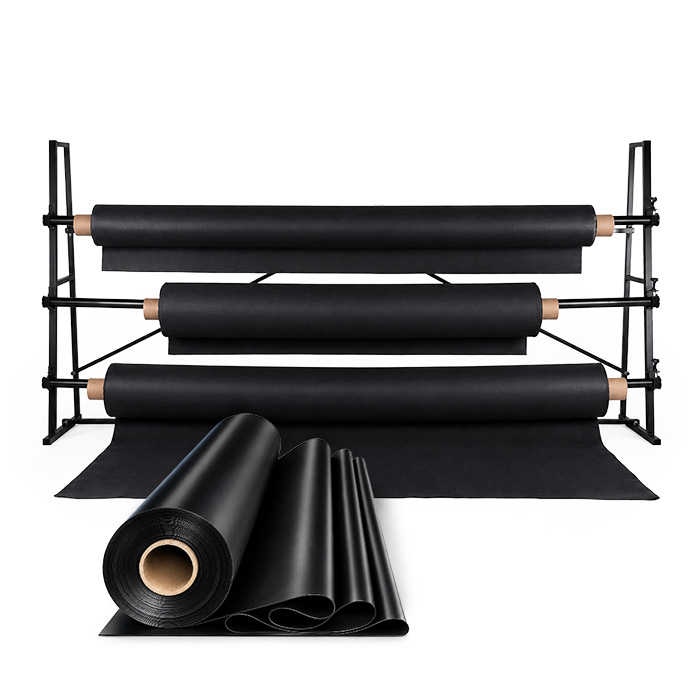
The main advantage of an EPDM roof membrane is that it forms the primary waterproof layer across the roof. It gives the main roof area strong protection and works well on many flat roof projects. The limitation is that the membrane alone is not enough; it must be installed with the correct adhesives, trims, tapes and detail accessories to protect the full roof system properly.
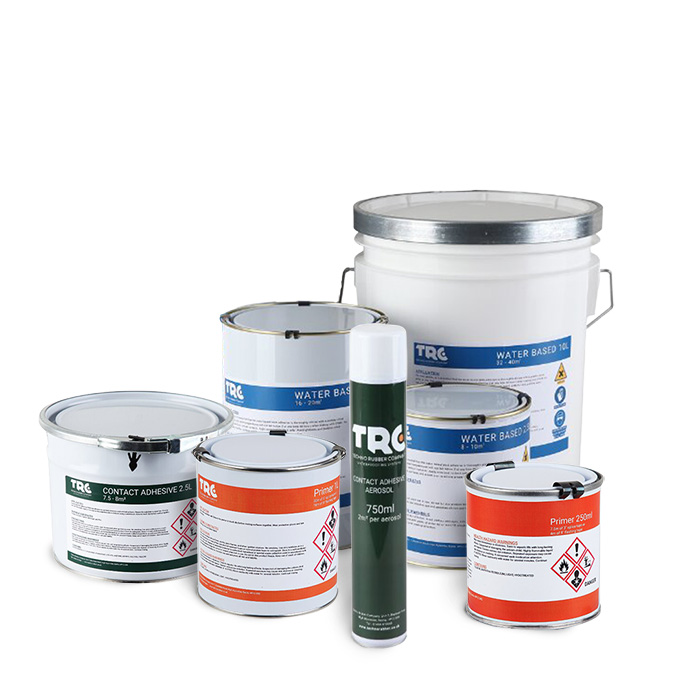
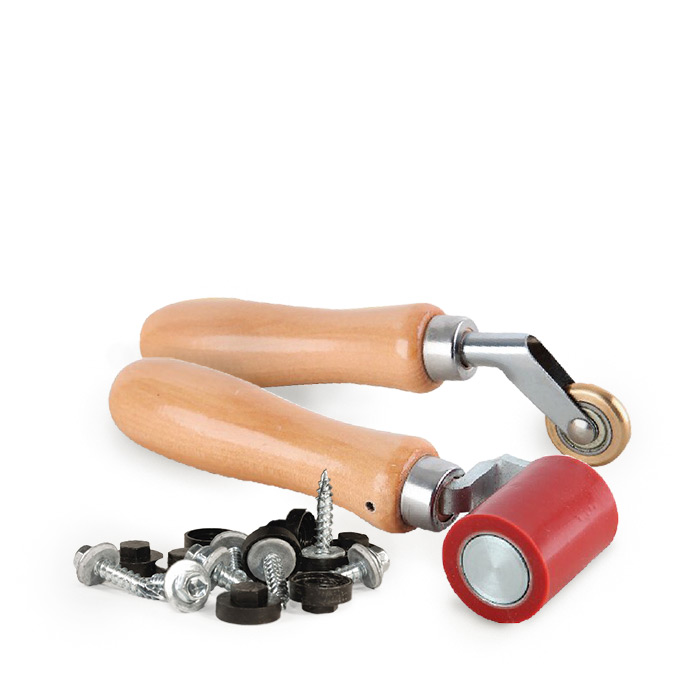
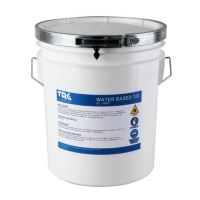
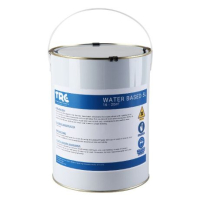
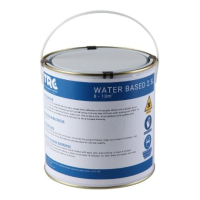
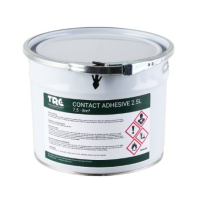
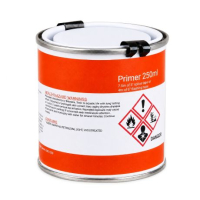
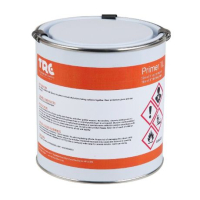
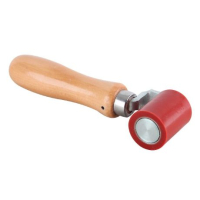
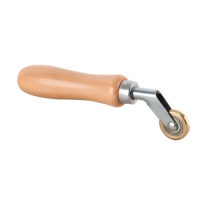
EPDM adhesives help bond the membrane securely to the roof deck and surrounding surfaces. This is important because poor bonding can lead to movement, lifting or weak areas around the roof. The limitation is that different areas may need different adhesive types, so using the wrong product can affect the final result. To make the work easier, and esure quality, the use of epdm roof tools is suggested.
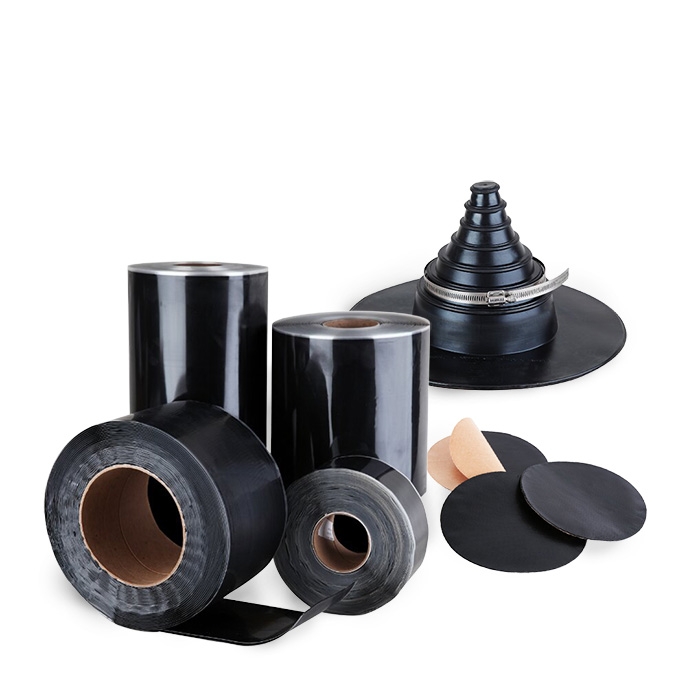
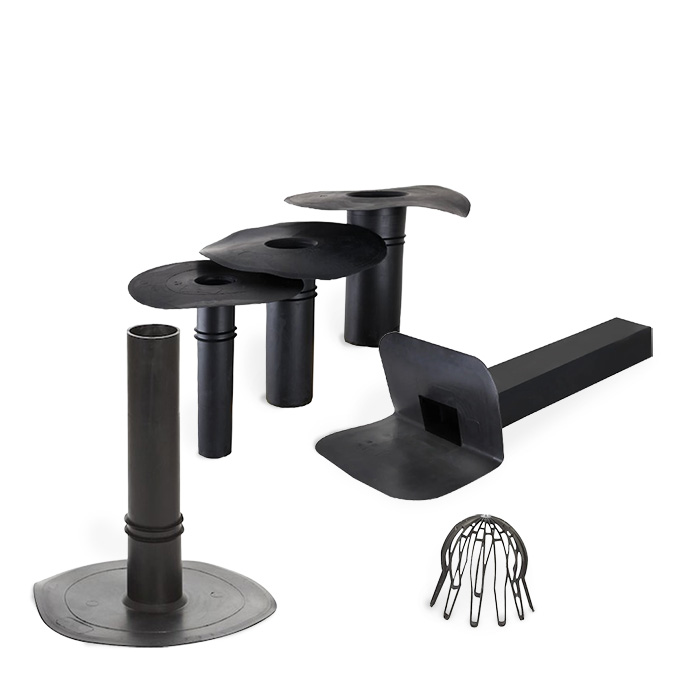
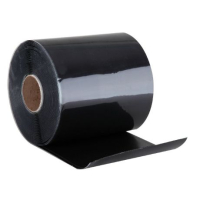
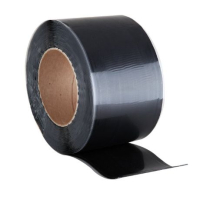
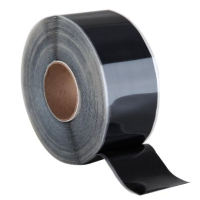
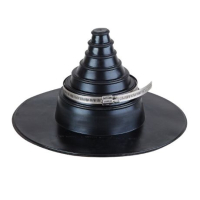
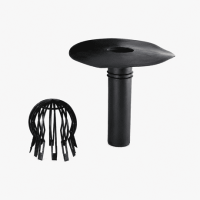
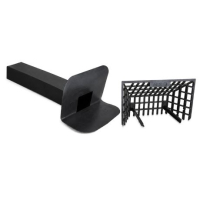
EPDM roof tapes & flashing help strengthen joints, corners, outlets and other areas where the roof shape changes. These parts are often more vulnerable than the open roof surface because water can gather around junctions, edges or drainage points. The limitation is that these products must be fitted carefully, as weak detailing is one of the most common causes of flat roof problems.
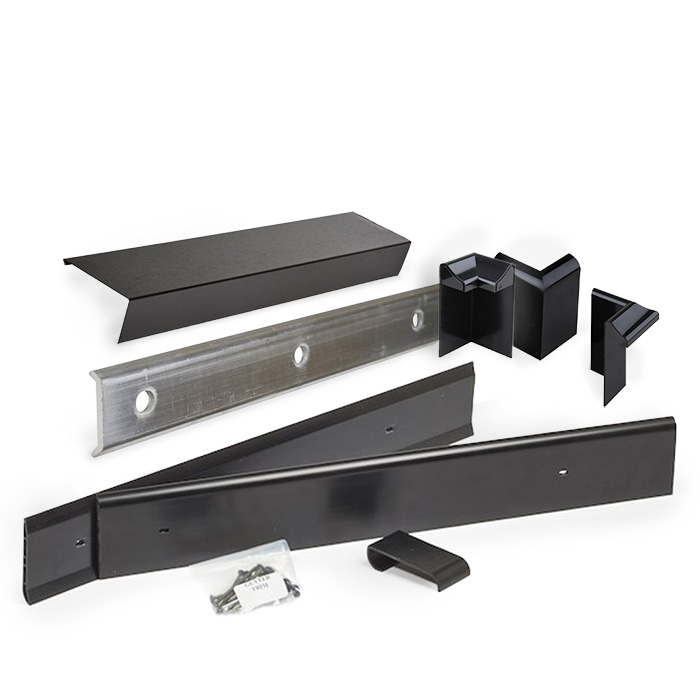
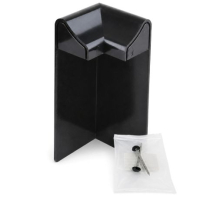
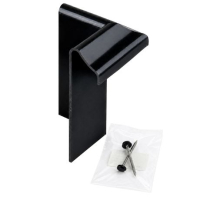
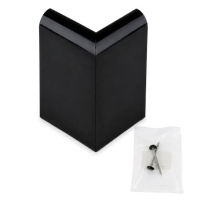
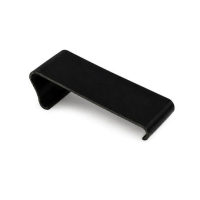
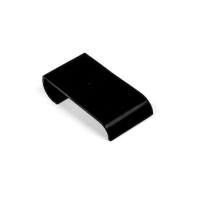
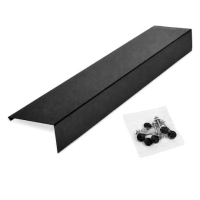
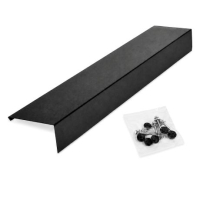
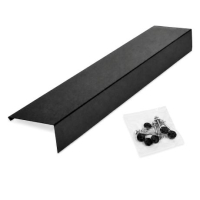
EPDM roof trims give the roof a neater edge and help control water run-off around the perimeter. They also protect exposed edges from wind lift and water ingress. Their limitation is that trims need to match the roof layout and edge detail; poorly selected trims can leave gaps or make the finish less secure.
For best results, the membrane, adhesives, tapes, epdm roof trims and detail accessories should be used as a complete system. Explore our full range of EPDM roofing supplies to find compatible membranes, adhesives, tapes, roof trims and installation accessories for flat roofing projects.
Why EPDM Rubber Roofing Is a Reliable Flat Roof Solution
EPDM rubber roofing is a strong choice for customers who want a practical balance of durability, flexibility and simple maintenance. It performs well across many UK flat roofing applications because it helps create a continuous waterproof surface that can handle changing weather conditions.
For builders, EPDM roofing supplies are useful because they allow the main roof area, edges, roof outlets and detail points to be completed with compatible products. For homeowners, the main advantage is confidence: the finished roof is designed to protect the building while needing less frequent attention than many older flat roof coverings.
When comparing flat roof materials like GRP Roofing, and EPDM, EPDM sits between basic short-term repair products and heavier, more complex roofing systems. It is not chosen only for appearance; it is chosen because the membrane, adhesives, tapes, trims and detail accessories work together to create a reliable flat roof build-up for everyday use.
FAQs
How long can an EPDM rubber roof last?
A properly installed EPDM rubber roof can last for several decades, depending on the membrane quality, installation method, roof exposure and maintenance. Regular checks around edges, outlets and joints can help the EPDM rubber roofing system keep performing well over time.
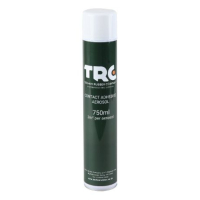
Which one is better, EPDM Roof Contact Adhesive Aerosol or EPDM Roof Contact Adhesive?
EPDM Roof Contact Adhesive Aerosol is ideal for quick and even application over large areas, especially on vertical surfaces or where speed and convenience are important. EPDM Roof Contact Adhesive in liquid form is better suited for controlled application with a roller or brush, making it useful for detailed work or areas where a thicker, more precise coating is required. The better option depends on the task: use aerosol adhesive for fast coverage and ease of use, and liquid adhesive for accuracy and controlled application.
What roof pitch is suitable for EPDM rubber roofing?
EPDM rubber roofing is mainly used on flat and low-pitched roofs, but the roof should still allow water to drain correctly. A slight fall is recommended to help prevent standing water and improve long-term roof performance.
Is EPDM roofing suitable for garages and garden rooms?
Yes, EPDM roofing is suitable for garages, garden rooms, sheds, extensions and similar flat roof structures. It provides a flexible waterproof covering that is useful for buildings exposed to regular rain, temperature changes and outdoor conditions.
Can EPDM rubber roofing be repaired if damaged?
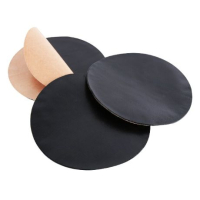
Small areas of damage can usually be repaired using compatible EPDM repair materials, tapes or patches. The damaged area must be cleaned and prepared correctly so the EPDM roofing material bonds properly and restores the waterproof layer.
What should be checked before buying EPDM roofing supplies?
Before buying EPDM roofing supplies, check the roof size, deck condition, edge details, outlets, corners and any wall junctions. This helps ensure you order the right membrane size, adhesive type, trims, tapes and accessories for the full roof installation.