

Filters
Shopping Options
Metal Paint
Choose metal paint for a durable decorative finish on suitable interior and exterior metalwork. The range includes gloss, satin, direct-to-rust and spray options for different surfaces and project needs. Compare the finish, colour and application type to find the right paint for metal.
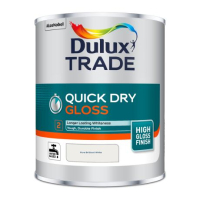
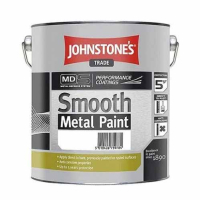
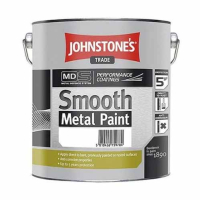 Johnstone's Smooth White Metal Paint 750ml-£3.31From £20.23 £16.86 From £23.54
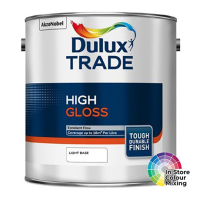 Dulux Trade High Gloss Paint for Wood & Metal Custom Colour 1LFrom £0.00 £21.00 From
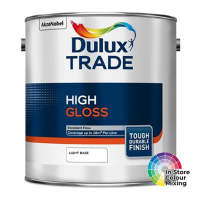 Dulux Trade High Gloss Paint for Wood & Metal Custom Colour 2.5LFrom £0.00 £39.00 From
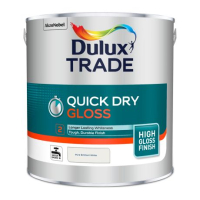
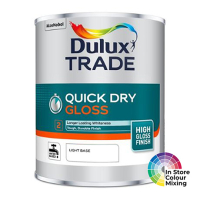 Dulux Trade Quick Dry Gloss Paint for Wood & Metal Custom Colour 1LFrom £0.00 £23.00 From
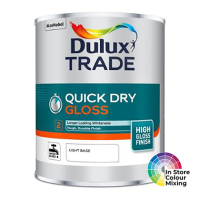 Dulux Trade Quick Dry Gloss Paint for Wood & Metal Custom Colour 2.5LFrom £0.00 £43.00 From
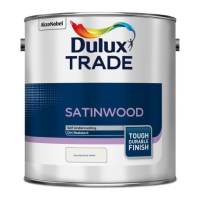
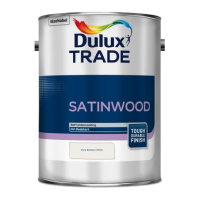
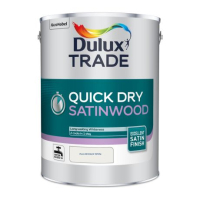
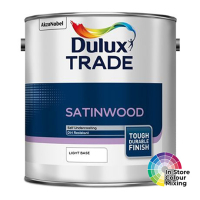 Dulux Trade Satinwood Paint for Wood & Metal Custom Colour 2.5LFrom £0.00 £47.00 From
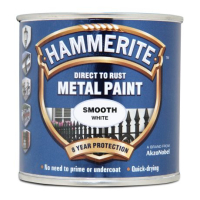
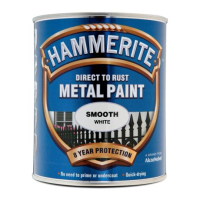
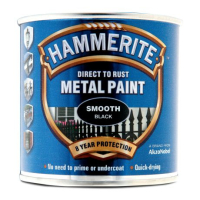
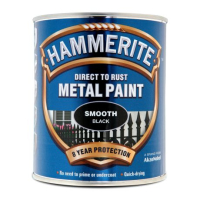
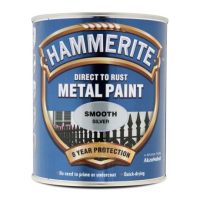
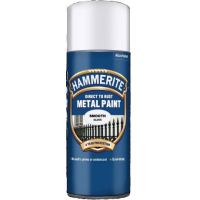
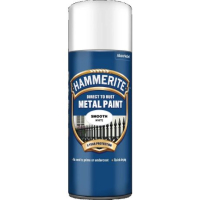 Hammerite Direct To Rust Smooth White Metal Spray Paint 400mlFrom £12.61 £10.51
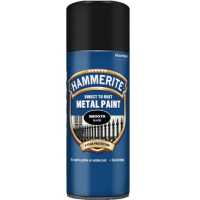 Hammerite Direct To Rust Smooth Black Metal Spray Paint 400mlFrom £12.61 £10.51
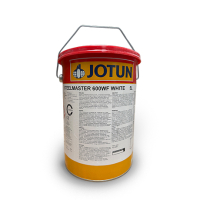 Jotun SteelMaster 600WF White Intumescent Paint for Steel 5L-£14.56From £109.25 £91.04 From £123.80


Choosing the Right Metal Paint for Interior & Exterior Projects
Choosing the right metal paint starts with the surface and where it will be used. The category includes dedicated paint for metal, combined wood and metal paint, direct-to-rust coatings and both brush-on and aerosol products, with gloss and satin finishes available. Some coatings are designed for interior projects, while others are suitable for exterior metalwork, so the application should be established before choosing a finish or colour.
The range also includes a specialist waterborne intumescent coating for structural steel where passive fire protection is required. This serves a different purpose from decorative metal coatings and should be selected according to the fire-protection specification of the project.
Gloss vs Satin Metal Paint: Which Finish Suits the Surface?
Gloss and satin create noticeably different finishes, but the products also differ in coverage and where they can be used. A solvent-based gloss paint for metal in the range provides coverage of up to 18m² per litre, while a comparable satinwood covers up to 17m² per litre. Both have a stated drying time of 4–6 hours and can be recoated after 16–24 hours.
- High gloss: up to 18m²/L; 4–6 hours drying; 16–24 hours before recoating; suitable for interior and exterior wood and metal.
- Satinwood: up to 17m²/L; 4–6 hours drying; 16–24 hours before recoating; designed for interior wood and metal and self-undercoating in most applications.
The key difference here is therefore not drying speed. It is the sheen, coverage, intended application and coating system. If a stronger reflective finish is preferred, explore the wider Gloss Paint range.
Direct-to-Rust vs Primer & Topcoat: Which Approach Does the Metal Need?
A direct-to-rust coating is useful when the project calls for a product that combines primer, undercoat and topcoat functions on suitable prepared ferrous metal. The direct-to-rust option represented in this category can be applied to bare or rusted metal and requires two coats for the complete system.
A separate primer and topcoat approach is needed when the substrate or chosen decorative finish requires individual stages. The primer prepares the metal for the following coating, while the topcoat provides the required colour and finish.
The condition and type of metal should determine which route is used. Bare zinc, aluminium and galvanised surfaces require the appropriate specialist primer before this particular direct-to-rust coating is applied. Where a separate base coat is required, compare suitable Primers & Undercoats.
Getting the Right Finish with Brush-On & Spray Metal Paint
Brush-on and aerosol products suit different types of work. Brush application gives controlled coverage across larger accessible surfaces, while metal spray paint is particularly useful where the shape of the item makes even brush application more difficult.
The aerosol option represented in this range is applied in light, even passes from approximately 15cm away. Additional coats can be applied after 15 minutes using its specified wet-on-wet method, with three coats stated and three to four recommended for maximum protection. The comparable brush-applied direct-to-rust product uses two coats on bare or rusty metal.
For brush-applied projects, suitable Paint Brushes should be chosen for the coating and surface being painted.
Preparing Metal for Better Adhesion & a Longer-Lasting Finish
Rusty, bare or previously painted metal should be assessed before work begins. Loose rust and flaking coatings need to be removed, smooth areas should be abraded where required, and the surface should be free from dirt, dust and grease before painting.
Previously painted metal may also require a compatibility check. For the direct-to-rust product covered here, a test area should be left for one hour; if the existing coating reacts, it should be removed before the new finish is applied.
Suitable Abrasives can be used for removing poorly adhered material and keying smooth surfaces before coating.
Choosing Black, White & Silver Metal Paint
Choosing between black metal paint, white metal paint and silver metal paint mainly comes down to the finished look you want and how the metalwork fits with the surrounding space. Black creates a stronger contrast and can make metal features look more defined, while white gives a lighter, cleaner appearance that can sit more subtly alongside pale walls, doors and other finishes.
If you want the metal itself to retain more of a metallic appearance, silver metal paint offers a different look from a solid black or white finish. When comparing metal paint colours, consider the surrounding colours as well as how visible you want the metalwork to be, particularly where several painted features need to work together.
For customers choosing a black finish, hammerite black spray paint for metal 400ml provides a smooth black option, while hammerite direct to rust metal paint black 250ml gives you the same colour direction in a smaller direct-to-rust format. Both work well where you want the metalwork to sit neatly alongside darker doors, frames, railings or other exterior details. Once you have settled on black, the final choice can come down to the size of the job and which product format is more practical for the area you are painting.
Protecting Outdoor Metal from Rust, Weather & Everyday Wear
An outdoor metal paint should be specifically approved for exterior exposure. Gates, railings and other exposed metalwork need a coating suited to the substrate and environment rather than simply choosing from available metal paint colours or selecting by sheen alone.
A suitable exterior metal paint within this range provides the following benefits when correctly prepared and applied:
- Corrosion protection – helps protect properly prepared bare and rusted ferrous metal.
- Water repellency – provides a protective water-repellent finish.
- Weather resistance – designed to withstand rain, sunlight and changing temperatures.
- Up to 8 years' protection – achievable when the specified preparation and application system is followed.
FAQs
How do you remove paint from metal?
For complete paint removal, use a paint stripper that is suitable for both the metal and the existing coating. Allow it to work for the specified period, then lift the softened paint with an appropriate scraper or removal tool without damaging the metal underneath. Take extra care with older unknown coatings, as historic paint may contain lead and should not be aggressively sanded or heated without first establishing what it contains.
Can you use acrylic paint on metal?
Yes, provided the acrylic paint is specifically suitable for the type of metal being coated. Acrylic describes the paint chemistry rather than guaranteeing suitability for every substrate, so general-purpose acrylic or craft paint should not automatically be treated as a permanent metal coating. Use a formulation that lists the intended metal surface within its applications.
How do you paint metal garden furniture?
Work systematically around the entire item so less visible areas such as undersides, feet, joints and decorative sections receive an even finish. Keep paint away from hinges, threads, drainage openings and other moving components where excessive build-up could interfere with their operation. Once completed, allow the coating to fully harden before moving the furniture back into regular use.
Can I use wood and metal paint on walls?
Wood and metal paint should not be used as a general wall coating unless the specific product also lists the wall material as a suitable substrate. These paints are formulated primarily for surfaces such as timber trim and metalwork rather than large plastered, rendered or masonry areas. For walls, use a coating designed for the particular wall substrate and environment.
Can you use masonry paint on metal?
Masonry paint is not normally the correct coating for metal unless the individual product specifically includes that metal substrate within its approved uses. Masonry paints are primarily intended for mineral surfaces such as render, brick and concrete, which have different coating requirements from metal. Where metal is the main surface, use a coating specifically designed for that substrate.