

Filters
Shopping Options
Newel Posts
Newel posts are key staircase components used to support handrails, balustrades and stair layouts in both new installations and refurbishment projects. Choosing the right option depends on the fixing position, size, and finish.
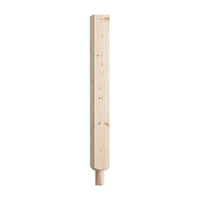
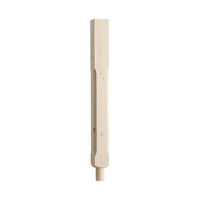
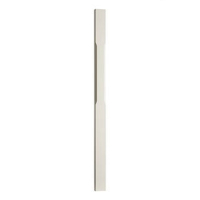
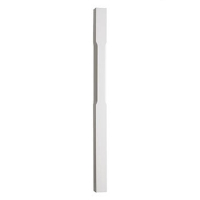
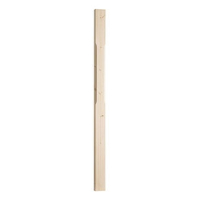
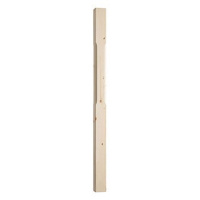
Choosing the Correct Support for Your Stair Layout
Choosing the right newel posts is about more than appearance, as the staircase layout and handrail position both affect which option is suitable. Before ordering, it is important to check measurements and existing fittings to ensure the post will work correctly with the rest of the stair system.
Full or Half: Which Option Matches the Fixing Point?
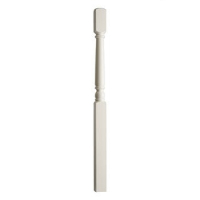
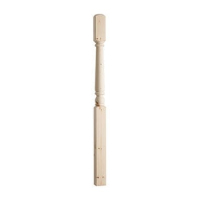
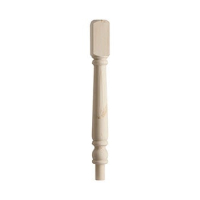
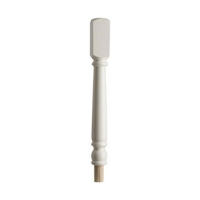
The full posts are normally used where the stair system needs a complete upright support. This is common at the start of a staircase, on a landing or where the handrail changes direction. Full stair newel posts are usually selected when the balustrade needs support on more than one side.
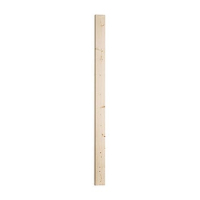
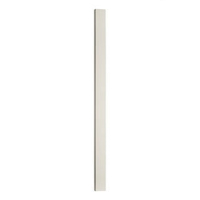
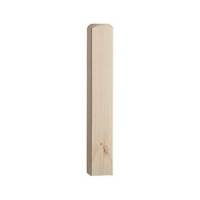
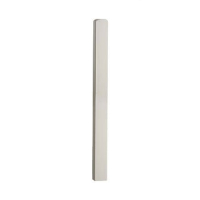
The half newel posts are used where the staircase meets a wall or flat surface. It gives a finished fixing point without projecting like a full post. This is useful in tight spaces, wall-side landings and refurbishment work where the rail needs to terminate neatly against a solid surface.
How the Post Position Affects Handrail Alignment
-
The post position controls where the handrail starts, stops and changes direction.
-
If the post is too short, too tall or set in the wrong place, the handrail may not meet the next section cleanly.
-
Incorrect positioning can affect the appearance of the staircase and may make the balustrade harder to fit correctly.
-
When replacing newel posts stairs should be checked from the base fixing point to the rail connection, not just from the floor level.
-
The handrail angle, landing height and spindle layout can all influence which size is suitable.
-
Accurate measurement is especially important on stair turns and split-level landings.
Choosing the Right Finish for the Staircase
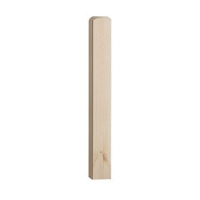
Pine newel posts are suitable when the final finish will be completed on site. They can be prepared for painting, staining or varnishing, which makes them useful when matching existing timber stairs, doors, skirting or internal joinery.
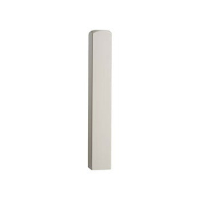
White primed newel posts are more practical when the staircase is being finished in paint. The prepared surface reduces the amount of initial preparation and gives decorators a more consistent base to work from. They are often the better choice for refurbishment projects where the surrounding woodwork is already painted.
Matching the Profile to the Property Style
Matching the Profile to the Property Style
When selecting a post design, it helps to consider the overall character of the staircase and surrounding interior.
-
Turned newel post – A good choice for traditional homes, period-style properties and staircases with decorative balustrades. It works particularly well when paired with shaped handrails and detailed spindles.
-
Plain or lightly shaped post – Often better suited to modern, minimalist or understated interiors where a cleaner appearance is preferred.
Before making a final decision, compare the chosen profile with the existing handrail, spindle design and any nearby timber features. Keeping these elements consistent will help create a balanced and well-finished staircase.
Checks to Make Before Ordering
Before buying newel posts, confirm the height, width, fixing position and finish. Also check whether the existing handrail will be reused, because the rail connection may affect the type of post required. If the staircase is being fully refurbished, the post should be selected alongside the handrail, spindles and lower rail so the full system works together.
It is also worth checking whether the job needs a full replacement or only a matching wall-side section. Ordering the wrong format can delay fitting and may require additional cutting or adjustment on site.
Common Ordering Mistakes
The most common mistakes when ordering or replacing staircase components include:
-
Choosing a post based on appearance without checking the fixing point
-
Overlooking handrail height and stair layout requirements
-
Selecting unfinished timber when a painted finish is needed quickly
-
Ordering a half post where a full support position is required
-
Failing to check compatibility with existing stair parts
A decorative post may look suitable, but it still needs to work with the rail height and overall staircase design. Measuring carefully before ordering can help avoid fitting issues and unnecessary alterations on site.
A half newel post should only be used where a wall or flat surface provides the fixing background. It should not be treated as a substitute for a full support position.
For finish selection:
-
Choose white primed newel posts when the staircase will be painted and preparation time needs to be reduced
-
Choose pine newel posts when staining, varnishing or a customised finish will be applied on site
Taking these checks into account can help ensure the staircase components fit correctly and achieve the intended finished appearance.
FAQs
Can newel posts be replaced without removing the full staircase?
Yes, in many refurbishment projects, individual newel posts can be replaced without removing the entire staircase. The existing fixing method, surrounding handrail and condition of the base area should be checked before work begins.
Do newel posts need to meet building regulations?
Newel posts form part of the staircase guarding system, so they should be fitted securely and used with compliant handrails and balustrade components. The full staircase installation should meet the relevant safety requirements for guarding height, spacing and strength.
How can I tell if an existing newel post is still structurally sound?
An existing newel post may still be suitable if it is firmly fixed, free from major splits and does not move when pressure is applied to the handrail. If there is movement at the base, visible cracking or weak fixings, it should be assessed before being reused in a staircase refurbishment.
Can a loose newel post be repaired?
A loose newel post may be repairable if the timber is still sound and the movement is caused by weakened fixings. If the post is split, badly worn or no longer secure at the base, replacement may be the better option.
Do newel posts always need caps?
Not always, but caps are commonly used to finish the top of the post and protect the exposed end grain. They also help the staircase look complete when matched with the handrail and spindle style.
Can newel posts be used with modern glass stair panels?
Some staircase designs use newel posts with glass panels, but compatibility depends on the fixing system and panel design. The post must be suitable for the load and fixing method required by the glass balustrade system.