

Filters
Shopping Options
Radiator Paint
Choose radiator paint to refresh domestic radiators and hot water pipes with a durable finish designed for heated metal surfaces. The range includes brush-applied and radiator spray paint options in gloss and satin finishes, with white coatings available for different project sizes. Compare application method, finish and pack size to find the right paint for radiators for the job.
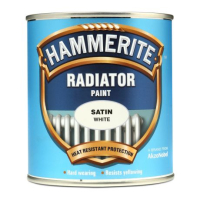
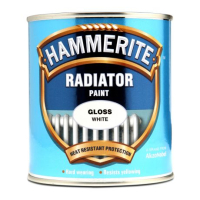
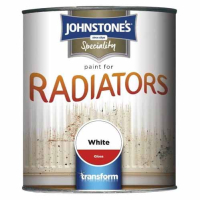

Choosing Radiator Paint for Radiators & Hot Water Pipes
Radiator paint is made specifically for painting household radiators, and some products can also be used on hot water pipes. Our range includes white gloss and satin finishes in both brush-on and spray formats, so you can choose the application method and appearance that suit the job. Specialist paint for radiators is designed to cope with the regular heating and cooling of the surface, unlike ordinary decorative paint that may not be suitable. When choosing a heat resistant radiator paint, always check that the product is approved for the surface you intend to paint.
Brush-On vs Radiator Spray Paint: Which Is Easier for the Job?
Brush-applied radiator paint gives you greater control around edges, pipework and detailed areas, making it a practical option when the radiator remains fitted to the wall. It also avoids overspray, although you still need to protect the surrounding surfaces and allow the recommended drying time between coats. Suitable Paint Brushes can help you apply the coating neatly around panels, corners and pipe connections.
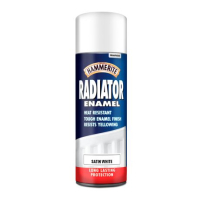
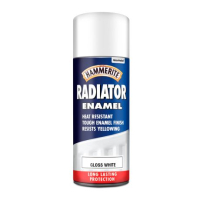
Radiator spray paint can be particularly useful on radiators with narrow sections, grooves or areas that are awkward to reach with a brush. Spray products are normally built up using several light, even coats rather than one heavy application, so protect nearby walls, floors and fittings before spraying and follow the waiting time stated for the individual product. Hammerite radiator paint is available in both brush-on and aerosol formats, allowing you to choose whichever application method is more practical for the radiator you are working on.
Gloss vs Satin Radiator Paint: Choosing the Finish You Want
Gloss and satin radiator paints are mainly distinguished by the appearance they create, so the right choice depends on how prominent you want the radiator to look within the room.
Gloss radiator paint
- Produces a higher-sheen, more reflective finish.
- Gives the radiator a brighter, more traditional appearance.
- Can work well where you want the radiator to look clean and defined.
Satin radiator paint
- Produces a softer finish with less reflection.
- Creates a more understated appearance than gloss.
- Can suit rooms where you do not want the radiator to stand out as strongly.
The current range includes gloss radiator paint and satin options in both brush-on and spray formats. Johnstones radiator paint provides a water-based gloss option that is described as non-yellowing, while individual Hammerite products have their own finish and performance characteristics, so check the product specification where maintaining a particular appearance is important.
Old Paint, Rust or Bare Metal: Preparing & Painting the Radiator Properly
Switch the radiator off and allow it to become completely cold before you start preparing or painting it. Remove dust, grease, loose paint and visible rust, and if the existing paint is firmly attached, lightly sand it to help the new coating grip properly. Our Abrasives range includes suitable products for preparing previously painted surfaces before recoating.
Bare metal needs extra preparation. Hammerite advises using an anti-rust primer on a bare radiator before applying its radiator finishing paint, so do not assume that radiator paint will always replace the need for primer. Where the selected product requires a preparation coat, explore our Primers & Undercoats range for suitable options.
Protect the floor and surrounding wall while you work, and avoid painting radiator valves, controls or other moving parts. Drying and recoating times vary between brush-on and spray products, so follow the instructions for the exact paint you have chosen before applying another coat or switching the radiator back on.
Choosing White Radiator Paint for a Clean, Consistent Finish
When refreshing an older radiator, remember that a new coat of white radiator paint can look noticeably different from the existing finish. Older white coatings can become marked or discoloured over time, so touching up one small area may leave the repair more visible than expected. If the existing finish has changed significantly, repainting the full visible surface can give the radiator a cleaner and more even appearance.
White radiators often sit alongside white skirting, doors and window frames, so it is also worth considering how the finished radiator will look with the rest of the room. If you are choosing radiator paint white for several radiators in the same space, using the same colour and finish throughout can help create a more consistent overall look.
For a white satin finish, hammerite radiator paint white 500ml provides a brush-applied option, while radiator spray paint white 400ml provides a white satin aerosol alternative. Both are designed for domestic radiators, so the choice can be based on the amount of painting you need to complete and the application format you prefer.
FAQs
How to paint behind a radiator?
A slim mini roller with a long handle is useful for reaching the wall behind a radiator without removing it. Choose a roller head narrow enough to fit between the radiator and wall, protect the radiator and floor from splashes, and apply the same wall coating used on the surrounding area.
Can you use radiator paint on wood?
Radiator paint should not automatically be used on timber. Radiator paints are formulated primarily for heated metal surfaces such as domestic radiators and hot water pipes, so use a dedicated wood coating unless the individual product specifically confirms that timber is a suitable substrate.
Does painting radiators reduce heat output?
Using a suitable radiator coating should not prevent a radiator from operating normally, but the type of finish can affect radiant heat transfer. Metallic coatings can reduce heat output by radiation, so use a coating intended for radiators rather than an unsuitable decorative metallic finish.
Is radiator paint waterproof?
Radiator paint should not be assumed to be waterproof simply because it is heat resistant and durable. Its primary purpose is to provide a suitable finish for heated metal surfaces, so where the radiator will experience frequent moisture or splashing, check the individual coating's stated suitability for those conditions.
Can you paint a towel radiator?
Yes, a water-filled metal towel radiator can be painted where its existing finish is suitable for recoating. Use a specialist radiator paint designed to tolerate repeated heating, and check the existing finish before starting because chrome, plated or other factory-finished surfaces may require different preparation or have specific coating restrictions. Electric towel rails should be checked against the appliance manufacturer's instructions before painting.