

Filters
Shopping Options
Damp Proof Membrane (DPM) & Accessories
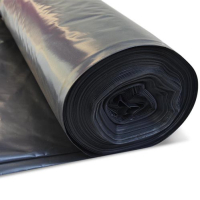
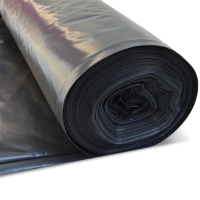
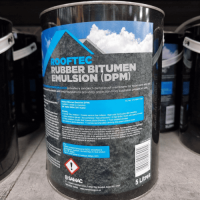
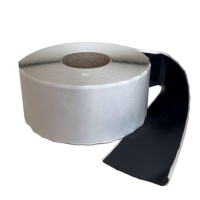
Damp Proof Membrane (DPM): What It Does and Where It’s Used
A damp proof membrane acts like a moisture break between the ground and your floor structure. Most jobs use it under slabs and screeds, but it can also help in damp-prone spots such as shed bases or behind certain wall finishes. For reliable results, a dpm membrane needs to be laid as one continuous layer, with overlaps and edges sealed.
Where DPM is typically used
-
Floors & slabs: under concrete and screeds to limit moisture from below.
-
Walls (selected areas): behind some linings or in specific damp-risk details.
-
Sheds & outbuildings: under bases to help keep spaces drier.
DPM Types: Sheet & Roll Membranes vs Liquid Membranes
Most projects use a dpm roll or dpm sheet because it’s quick to fit, consistent in thickness, and practical for covering larger areas with fewer joints.
Sheet & roll membranes
For straightforward floors and slabs, a polythene damp proof membrane (often sold as a plastic damp proof membrane) is the standard choice. Seal overlaps with damp proof membrane tape, and select durability by gauge—commonly 1200 gauge damp proof membrane or 2000 gauge dpm.
Liquid membranes
A liquid damp proof membrane is useful where sheets are awkward—around edges, penetrations, or over existing substrates. It’s common on floors, including liquid damp proof membrane concrete floor applications, and may be specified as bitumen damp proof membrane or epoxy damp proof membrane depending on the system.
Damp Proof Membrane (DPM) for Floors and Concrete Slabs
DPM is most often specified on floors, because ground moisture can affect screeds, insulation, adhesives and finished surfaces. In most builds, the membrane is laid over the prepared base and carefully detailed at edges and joints—especially on a damp proof membrane concrete floor build-up.
Common floor scenarios
-
New concrete slabs: used beneath the slab or within the floor build-up, depending on the design.
-
Screeded floors: helps protect finishes and adhesives by reducing moisture transfer.
-
Renovation floors: a floor membrane can support a rebuild where a new layer is introduced over an existing substrate.
What to look for on a floor job
-
Thickness/grade: choose a suitable thickness (often referenced in gauge or microns).
-
Coverage: roll width/length matters—fewer joints usually means fewer weak points.
-
Sealing: overlaps are only as good as the seal, so use the right tape and compatible accessories.
Damp Proof Membrane for Internal and External Walls
For walls, membranes are usually used in targeted areas where extra moisture protection is needed before finishes go on. A wall damp proof membrane is most common in renovation work and local problem zones, where the right approach depends on the substrate and the finishing method.
Internal walls
On damp proof membrane for internal walls details, the aim is often to reduce moisture affecting internal finishes—typically behind linings or in vulnerable zones. An internal damp proof membrane works best when it’s compatible with the intended finish and properly detailed at junctions.
External walls
A damp proof membrane for external walls is generally used in specific details where exposure or splashback increases moisture risk. In some projects, an external wall damp proof membrane may be paired with compatible waterproofing products at transitions, without over-specifying the whole wall.
Choosing a wall membrane: what matters
-
Substrate: a damp proof membrane for brick wall detail can differ from blockwork or mixed backgrounds.
-
Breathability: a breathable damp proof membrane for walls can be preferable where moisture needs managing without trapping it.
-
System fit: choose a damp proof wall membrane that matches your finish and sealing approach.
Choosing the Right DPM Thickness and Grade
In most cases, the decision comes down to damp proof membrane thickness and how tough it needs to be during installation. Thickness is often shown as 1200 gauge damp proof membrane or 2000 gauge dpm, and sometimes as microns (for example 300mu damp proof membrane).
Common thickness choices
-
1200 gauge damp proof membrane: a standard choice for typical floor build-ups.
-
2000 gauge dpm: a heavier-duty option where extra robustness is needed.
-
300mu damp proof membrane: a micron-based thickness you may see on some specifications.
Two quick checks before you choose
-
Reduce joints: a wider dpm roll helps reliability.
-
Plan the seal: if overlaps will be taped, use damp proof membrane jointing tape (or damp proof membrane tape) to keep the barrier continuous.
You may also be interested in:
-
Damp Proof Course (DPC): Installed as a horizontal layer in masonry to interrupt capillary rise and reduce rising damp in walls.
-
Cavity Drain Membranes: Used for internal below-ground waterproofing to manage water ingress by draining it to channels or a sump and pump rather than relying on full tanking.
FAQs
Is damp proof membrane waterproof?
A damp proof membrane is designed to block ground moisture and resist water passing through a floor build-up. It helps with damp control, but it isn’t a complete waterproofing system for every situation—performance depends on correct detailing and the overall construction.
What damp proof membrane thickness do I need (gauge vs thickness in mm)?
For many floor builds, 1200 gauge is a common baseline, while 2000 gauge is often chosen when you need a tougher sheet for more demanding site conditions. Gauge and microns/mm are simply ways of expressing thickness, so match the product grade to the job and handling risk.
How do you lay damp proof membrane on a concrete floor?
Lay the membrane over a clean, even base, overlap the sheets, and turn it up at edges so the barrier stays continuous before the next layers go down. Seal overlaps and details so moisture can’t track through joints or gaps.
Do you need tape on overlaps and joints (and what details matter most)?
Tape is recommended because most issues start at overlaps, edges, and penetrations rather than through the sheet itself. Use compatible jointing tape and keep joints clean, flat, and firmly sealed.
How do you install damp proof membrane to walls?
Wall use is usually targeted, installed behind linings or within specific details where extra moisture protection is needed, with careful sealing at junctions. Make sure the membrane and finishing system are compatible, so you don’t trap moisture or create bridging.
Can you use damp proof membrane on walls?
Yes, but typically only in specific wall details rather than as a blanket solution across all walls. The best approach depends on the wall type, finish, and moisture conditions.
Can you plaster over a damp proof membrane?
Sometimes, but it depends on the membrane type and the plaster or lining system, as many membranes aren’t intended as a direct plaster background. In practice, membranes are more often used behind linings or within a compatible system specified by the product guidance.