

Filters
Shopping Options
Shop by Application







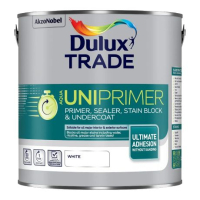
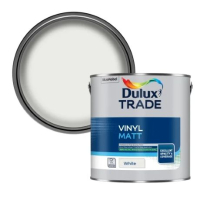
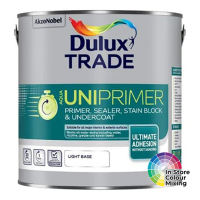
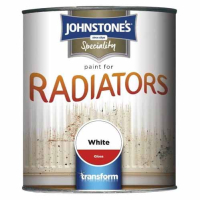
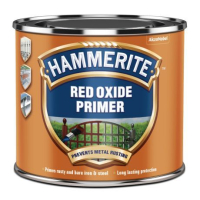
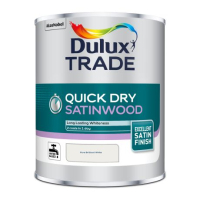
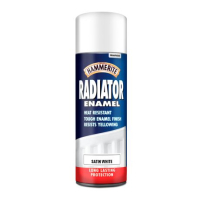
Choosing the Right Trade Paint for the Surface & Application
Choosing the right trade paint starts with the surface, where it is being used and the conditions the finished coating needs to handle. Before choosing a colour or finish, identify whether you are painting walls, timber, metal, masonry, floors or another specialist surface. Paint intended for walls and ceilings has different requirements from coatings designed for wood, metal, masonry or floors, while radiators and line marking need products developed for those particular applications. Matching the paint to the job from the start helps create a more reliable finish and reduces the risk of avoidable coating problems later.
Interior Paint vs Exterior Paint: Choosing for the Location
The first distinction to make is whether the project requires interior paint or exterior paint. Interior products are selected around the surface and demands of the room, while exterior coatings must be specifically suitable for outdoor exposure and the material being painted.
For walls and ceilings, emulsion paint provides options for general decorating as well as areas that need a more durable, cleanable finish. Exterior projects require a product approved for the substrate and outside conditions, so always check the intended application rather than assuming an interior coating can also be used outdoors.
How Do You Prevent Paint from Failing on Wood, Metal & Masonry?
Paint performance depends heavily on using a coating that is compatible with the material underneath it. Different substrates behave differently in terms of absorption, movement, corrosion and exposure to moisture, so the paint system should be matched to the surface rather than selected only by colour or finish.
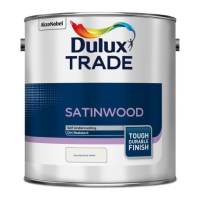
- Timber – Choose suitable wood paint and prepare bare or previously painted wood according to the selected system.
- Metal – Use metal paint suitable for the type and condition of the metal, with the correct primer where required.
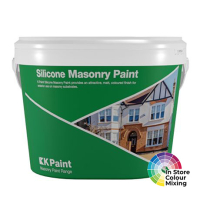
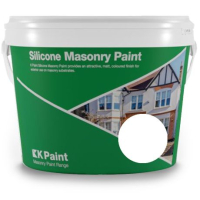
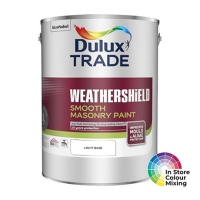
- Masonry – Select masonry paint designed for compatible exterior mineral surfaces and follow the specified preparation requirements.
Using the correct product for each substrate gives the coating the conditions it needs to bond and perform as intended.
Why Do Floors, Radiators & Line Marking Need Specialist Paint?
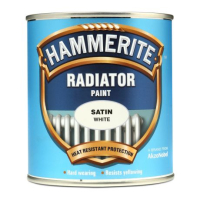
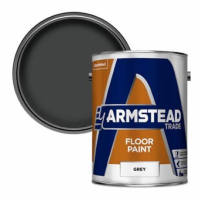
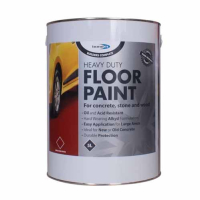
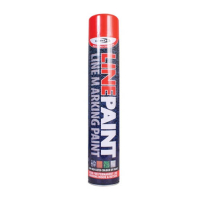
Some surfaces face demands that ordinary decorative trade paints are not designed to handle. Floors experience regular foot traffic and abrasion, radiators repeatedly heat and cool, while marked areas need coatings designed to create clear, durable lines on compatible surfaces.
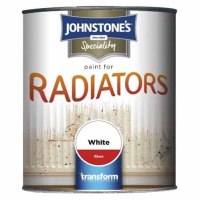
If the surface will be exposed to regular wear, heat or specialist marking requirements, choose a paint specifically designed for that application rather than relying on a general decorative coating. Use floor paint for suitable floor substrates, radiator paint for compatible heated surfaces, and line marking paint where clear markings are required.
How Do Primer & Undercoat Help You Achieve a Better Paint Finish?
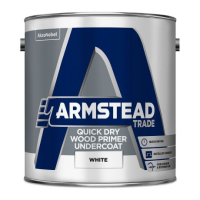
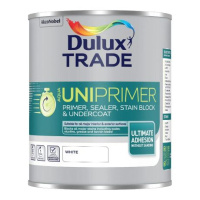
The finishing coat is only one part of a complete paint system. Primer paint is used where the surface needs preparation before later coats, helping create a suitable base on bare, porous or more difficult substrates when specified.
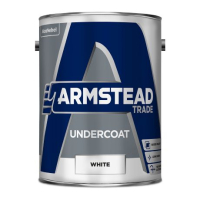
Undercoat paint sits between the prepared surface and finishing coat where the chosen system requires it, helping create a more uniform base for the final colour and finish. Not every painting job needs both primer and undercoat, so if you are unsure which is required, start with the substrate and then check the preparation system recommended for the finishing paint.
FAQs
How much paint do I need?
Measure the total surface area, subtract large openings such as doors or windows, and multiply by the number of coats required. Divide that figure by the coverage rate stated for the chosen paint to estimate the quantity needed. Allow a sensible margin for surface texture, absorption and application losses rather than relying only on the theoretical coverage.
How do you dispose of paint?
Do not pour unwanted paint into drains, sinks or onto the ground. Keep leftover paint securely sealed for future touch-ups or take unwanted paint to a local household waste or recycling facility that accepts it. Disposal arrangements vary between councils and paint types, so check your local authority guidance before taking paint or empty containers for disposal.
How long does paint last once opened?
How long opened paint remains usable depends on the formulation, how well the container is sealed and the conditions in which it is stored. Keep it away from extreme temperatures, moisture and contamination, following any storage instructions provided for the product. Before reusing older paint, check for excessive skinning, lumps, persistent separation or other signs that it has deteriorated.
Can you paint over varnished wood?
Yes, varnished wood can usually be painted if the existing finish is sound and the surface is prepared correctly. Clean away grease and contamination, sand the varnish to reduce the sheen and create a suitable key, then remove all dust. Apply a compatible primer or adhesion primer where required before finishing with the chosen wood paint.
What is trade paint?
Trade paint is a range of paint developed primarily for professional decorating and construction work, although it can also be used for suitable DIY projects. Depending on the product, it may be designed to offer benefits such as easier application, strong coverage, durability or efficient recoating. Always compare the product specification and intended use, as different trade paints are designed for different surfaces and jobs.