

Filters
Shopping Options
Satin Paint
Satin paint provides a smooth, mid-sheen finish that is more reflective than matt but less glossy than high-gloss paint. Choose from water-based and solvent-based options for suitable wood, metal, radiators and other specialist surfaces, depending on the application and paint system. The right satin formulation gives a clean, durable finish while maintaining a softer appearance than gloss.
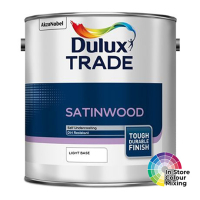 Dulux Trade Satinwood Paint for Wood & Metal Custom Colour 2.5LFrom £0.00 £47.00 From
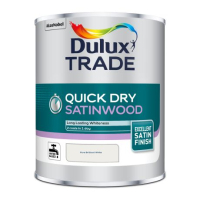
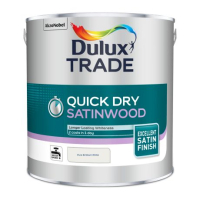
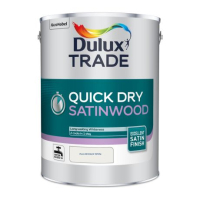
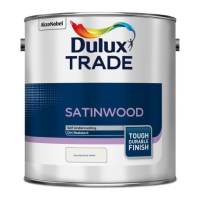

Choosing Satin Paint: What Does a Satin Finish Give You?
Satin paint provides a smooth finish with more visible sheen than matt while remaining less reflective than a traditional high-gloss coating. This makes it useful where you want a cleaner, more defined appearance without an intensely shiny surface. Satin finishes are commonly associated with trim and joinery, but the finish is also available in specialist coatings for other suitable surfaces. Always choose the product for the application first, then decide whether satin gives you the appearance you want.
Satin Paint for Wood & Metal: Choosing by Application
A satin finish does not determine where a paint can be used. Satin wood paint is formulated for suitable timber surfaces such as doors, skirting boards and architraves, while many satinwood products are also approved for compatible interior metalwork.
If timber is the main part of the project, choose satin paint for wood from a product range designed specifically for that substrate rather than selecting by sheen alone. Compare suitable options in our Wood Paint and Metal Paint ranges when you need to narrow the choice by application.
Water-Based vs Solvent-Based Satin Paint: Which Suits the Job?
Both formulations can produce a satin finish, but their application and drying characteristics differ. The individual product specification should always take priority, particularly when you are painting over an existing coating or combining the finish with a primer or undercoat.
- Water-based satin – A water based satin paint can be a practical choice where quicker recoating and a water-based system are preferred. Dulux Trade Quick Dry Satinwood, for example, is formulated as a water-based coating for suitable interior wood and metal.
- Solvent-based satin – Traditional solvent-based satinwood can provide a tough, hardwearing finish, although drying and recoating can take longer than with comparable quick-dry water-based products. Follow the individual product instructions for thinning and tool cleaning.
How Does Satin Compare with Matt, Eggshell & Gloss?
The main difference between these finishes is the amount of visible sheen, although exact sheen levels can vary between individual formulations. Looking at them as a scale makes it easier to decide how reflective you want the finished surface to appear.
- Matt – Lowest reflection and a flatter appearance.
- Eggshell – Typically a subtle sheen above matt.
- Satin – A more noticeable, smooth sheen without the strong shine of gloss.
- Gloss – The most reflective of these common decorative finishes.
If you are still deciding on sheen, compare our Matt Paint, Eggshell Paint and Gloss Paint ranges before choosing.
Choosing a Satin Paint Colour That Works with the Surface & Space
Colour and sheen work together, so a satin coating can look different depending on the amount and direction of light reaching the surface. White satin paint remains a practical option for trim where you want a clean finish that stands apart from flatter wall paint, but satin is not limited to white and can be used to introduce stronger or contrasting colours.
If you are comparing satin white paint with a particular colour scheme, consider the surrounding walls, flooring, doors and fittings rather than viewing the painted surface in isolation. For a wider choice of compatible custom colours, our Dulux Colour Mixing Lab includes satinwood among its available mixed finishes.
Why Do Radiators & Other Specialist Surfaces Need the Right Satin Coating?
Radiators repeatedly heat and cool, while floors are exposed to regular wear, so these surfaces need coatings developed for their particular demands. A general satinwood product should therefore not be treated as interchangeable with radiator or floor paint simply because the visible sheen is similar.
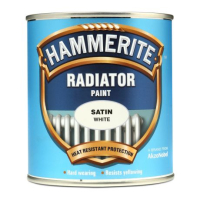
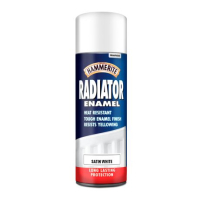
For domestic radiators and suitable hot-water pipes, hammerite radiator paint white satin is specifically formulated to provide a heat-resistant satin finish. For more application-specific options, explore our Radiator Paint range.
Preparing the Surface for a Smooth Satin Finish
Because satin reflects more light than a flat matt coating, rough repairs, poorly sanded edges and uneven preparation can become more noticeable once the paint dries. Start with a clean, dry and sound surface, remove loose material and smooth noticeable defects before applying the finishing coats.
Preparation requirements depend on the substrate and paint system. Bare timber, previously painted wood, metal and radiators may require different primers, undercoats or preparation methods, so follow the instructions for the exact coating rather than using one process for every satin product. Where a separate preparation coat is required, compare our Primers & Undercoats range.
FAQs
Can you paint satin over gloss?
Yes, satin paint can be applied over an existing gloss coating if the surface is sound and properly prepared. Clean the surface thoroughly and abrade the glossy finish to provide a suitable key before removing all sanding dust. Depending on the surface and chosen paint system, a compatible primer or undercoat may also be required.
How long does satin paint take to dry?
Drying time varies between satin paints and depends on the formulation, temperature and humidity. Water-based quick-dry satin products generally allow faster recoating than traditional solvent-based satinwood, while individual products can have substantially different drying and recoat times. Always follow the stated drying and recoat times for the exact paint rather than assuming the surface is ready because it feels dry.
Is satin paint washable?
Some satin paints are washable or designed to resist dirt and repeated cleaning, but this depends on the individual formulation. A satin finish describes the level of sheen rather than guaranteeing a particular level of washability or durability. Check the product specification if the painted surface will need frequent wiping or cleaning.
What roller should you use for satin paint?
Use a roller that is suitable for both the paint formulation and the surface being coated. For example, Dulux Trade recommends a good-quality short-pile synthetic or mohair roller for its water-based Diamond Satinwood. Always check the individual paint instructions because the recommended applicator can differ between satin products.
How do you clean satinwood paint off brushes?
The correct cleaning method depends on whether the satinwood is water-based or solvent-based. Water-based products can typically be cleaned from brushes with warm soapy water, while solvent-based satinwood may require the specified brush cleaner. Remove as much paint as possible first and follow the product's disposal instructions rather than pouring paint or contaminated cleaning liquid down a drain.
Does satin paint go yellow?
Some white solvent-based satin paints can discolour or yellow over time, particularly in areas with little natural or UV light. This does not apply equally to every satin formulation, and modern water-based satin products can offer improved resistance to yellowing. Check the product specification if maintaining a bright white finish is particularly important for the project.