

Filters
Shopping Options
Gloss Paint
Gloss paint provides a durable, smooth finish for prepared wood, metal and other suitable surfaces. Choose from water-based and solvent-based options in white, black and other colours, depending on the job and the finish you want to achieve. The right preparation and application method will help create a cleaner, longer-lasting result.
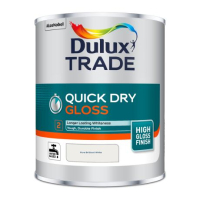
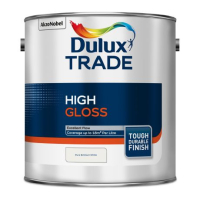
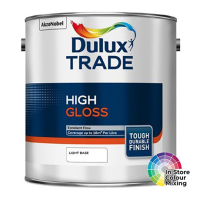 Dulux Trade High Gloss Paint for Wood & Metal Custom Colour 1LFrom £0.00 £21.00 From
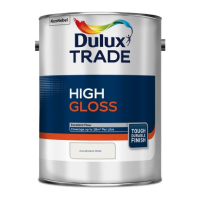
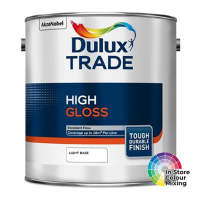 Dulux Trade High Gloss Paint for Wood & Metal Custom Colour 2.5LFrom £0.00 £39.00 From
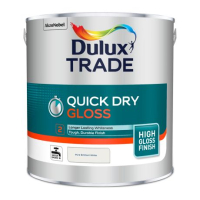
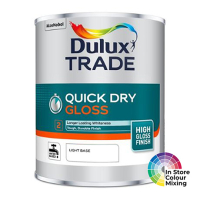 Dulux Trade Quick Dry Gloss Paint for Wood & Metal Custom Colour 1LFrom £0.00 £23.00 From
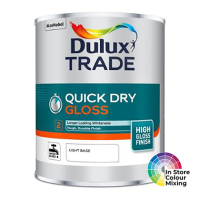 Dulux Trade Quick Dry Gloss Paint for Wood & Metal Custom Colour 2.5LFrom £0.00 £43.00 From
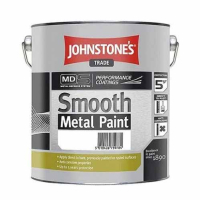
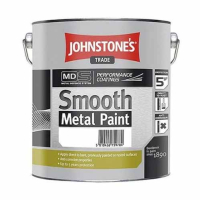 Johnstone's Smooth White Metal Paint 750ml-£3.31From £20.23 £16.86 From £23.54
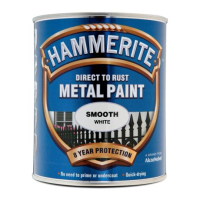
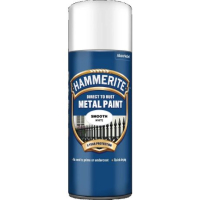 Hammerite Direct To Rust Smooth White Metal Spray Paint 400mlFrom £12.61 £10.51
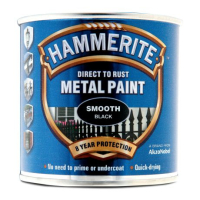
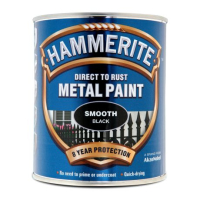
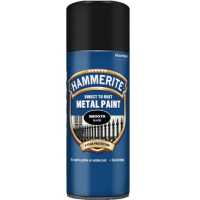 Hammerite Direct To Rust Smooth Black Metal Spray Paint 400mlFrom £12.61 £10.51
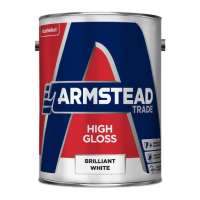

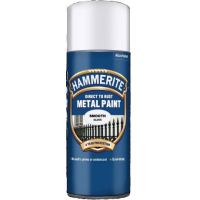
Choosing the Right Gloss Paint for Wood, Metal & Exterior Surfaces
Gloss paint provides a durable, reflective finish commonly used on doors, frames, skirting and other prepared wood or metal surfaces. When choosing gloss paint for wood, check whether the product is suitable for bare, primed or previously painted timber, while gloss paint for metal should match the type and condition of the metal underneath. For outdoor projects, choose an exterior gloss paint specifically approved for exterior exposure rather than assuming every gloss product can be used outside. The surface, location and existing paint system should guide the product choice before colour or pack size is considered.
Water-Based vs Solvent-Based Gloss Paint: Which Suits the Job?
Water-based and solvent-based gloss systems can both produce a durable finish, but they differ in drying behaviour, application and the preparation products they are designed to work with.
Water-Based Gloss Paint
- Faster turnaround – Typically dries and becomes ready for recoating sooner.
- Longer-lasting whiteness – Particularly useful where maintaining a bright white finish is important.
- Simpler clean-up – Brushes and rollers used with suitable products can usually be cleaned with water.
- Compatible system required – Use with the preparation products specified for the chosen finish.
Solvent-Based Gloss Paint
- Traditional flow – Longer working time can help the coating level during application.
- Durable gloss finish – Suitable products provide a tough finish for prepared wood and metal.
- Longer recoat times – Allow the full specified drying period before applying another coat.
- Solvent clean-up – Brushes and tools may require the recommended solvent or cleaner after use.
A water based gloss paint should still be used as part of a compatible paint system rather than simply applied over any existing coating. Where the chosen high gloss paint requires a separate intermediate coat, select a compatible Undercoat Paint before applying the finish.
How to Get a Smooth Gloss Finish Without Brush Marks, Runs or Roller Texture
Gloss finishes reflect light strongly, so brush marks, dust, surface defects and uneven application can become more noticeable once the paint dries. Careful preparation and controlled application are particularly important when working with high gloss paint.
- Prepare the surface carefully – Remove loose paint, imperfections, dust and contamination before coating.
- Use the right applicator – Match the brush or roller to the product and size of the area.
- Avoid overloading – Heavy application increases the risk of runs, sagging and slow drying.
- Keep each section connected – Work continuously into the previous wet area so joined sections do not dry at different times.
- Avoid overworking the paint – Repeatedly brushing or rolling paint as it begins to set can leave visible marks.
- Allow coats to dry properly – Do not rush sanding or recoating between stages.
Choose suitable brushes, mini rollers and preparation equipment from our Decorating Tools range to match the application method.
Preventing Yellowing in White Gloss Paint
Yellowing is most noticeable with white gloss paint and other pale solvent-based finishes, particularly in areas receiving limited natural daylight. This can occur as traditional solvent-based coatings age and is not necessarily caused by dirt or poor cleaning. The colour change is naturally much less noticeable with black gloss paint and other darker finishes.
Where maintaining a bright white finish is particularly important, especially in rooms or areas with limited natural daylight, consider a compatible water-based white gloss system. Always check that the selected product is suitable for the surface and location, particularly when painting exterior wood or metal.
Understanding Slow Drying & Tackiness in Gloss Paint
Gloss paint can remain tacky for longer than expected when coats are applied too heavily, conditions are unsuitable or another coat is applied before the previous layer has reached its stated recoat stage. Solvent-based systems generally require more drying time than quick-drying water-based alternatives, so the surface should not be judged only by whether it feels dry to the touch.
Apply controlled, even coats and follow the product-specific drying and recoating guidance. Temperature, ventilation and humidity can all affect how quickly the paint becomes ready for the next stage, so avoid rushing the process when conditions are less favourable.
Where bare or exposed areas require priming before gloss is applied, use a compatible Primer Paint rather than applying the finishing coat directly to an unsuitable substrate.
FAQs
Can you paint gloss over gloss?
Yes, gloss can be applied over existing gloss if the old coating is sound, well bonded and properly prepared. Clean the surface thoroughly to remove grease and dirt, then sand it to reduce the shine and create a better key for the new coating. Remove all sanding dust before applying a compatible undercoat or gloss system where required.
Should you gloss or emulsion first?
In most decorating jobs, emulsion is applied to walls and ceilings before gloss is used on woodwork, doors and trim. This reduces the chance of roller spray, splashes or wall paint marking a freshly finished gloss surface. Allow the emulsion to dry properly, complete any necessary masking or preparation, and then apply the gloss as the final decorative stage.
Can you use gloss paint on radiators?
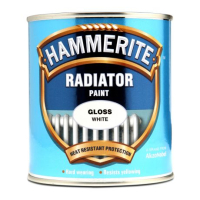
Only use gloss paint on a radiator if the specific product is approved for heated metal surfaces and the temperatures the radiator will reach. Standard decorative gloss is not automatically suitable, as heat can affect adhesion, colour or finish over time. Where suitability is unclear, choose a dedicated radiator paint or another coating specifically designed for this type of application.
Can you paint gloss kitchen cabinets?
Kitchen cabinets can be painted to a gloss finish if the cabinet material, existing coating and selected paint system are all compatible. Surfaces should be thoroughly cleaned and degreased, then sanded or primed where required so the new coating can bond properly. Always check the paint specification for the exact cabinet surface, as timber, MDF, laminate and previously coated finishes can need different preparation.
How do you remove gloss paint from wood?
Gloss paint can be removed from wood by sanding, using a suitable paint stripper or combining both methods depending on the condition and thickness of the coating. Work carefully around mouldings, edges and detailed areas so the timber underneath is not gouged, rounded off or otherwise damaged. Once the old finish has been removed, clean the surface thoroughly and prepare the bare wood before applying the new paint system.