

Filters
Shopping Options
Line Marking Paint
Line marking paint provides a simple and effective way to create clear, visible markings across a range of indoor and outdoor surfaces. Available in red, white and yellow aerosol options, the range is suitable for applications such as car parks, pathways, floors, sports areas and general site marking. Choose the right line marker paint for the surface and prepare the area properly for a cleaner, more consistent finish.
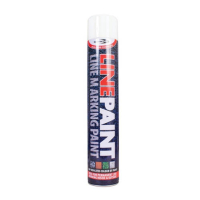
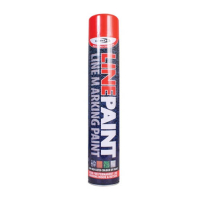
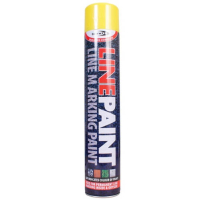
Choosing the Right Line Marking Paint for the Surface and Job
Line marking paint provides a practical way to create visible lines and identification marks across indoor and outdoor areas. Our 750ml aerosol line marker paint range includes red, white and yellow options for marking concrete, tarmacadam, gravel, grass and wood composites. The surface condition, location and expected traffic should be considered before application because they can affect the appearance and longevity of the finished marking. The semi-permanent formulation can remain visible for approximately three months, making it suitable for areas where markings may need to be refreshed periodically.
Preparing Concrete, Tarmac, Gravel & Grass Before Line Marking
Correct preparation helps marking spray paint adhere more consistently and produce a clearer finished line. Preparation should match the type and condition of the surface being marked.
Concrete & Tarmac
- Clean thoroughly – Remove dust, loose material, grease and other contaminants before spraying.
- Allow to dry – Avoid applying floor marking paint to visibly wet surfaces.
- Repair damaged areas – Repair potholes or broken sections before applying the line marking paint.
- Create a stable surface – Sweep away loose stones and debris that could disrupt the spray pattern.
For localised repairs to driveways and pathways, Drive Repair Macadam 23kg can be used to repair suitable damaged areas before marking.
Gravel & Grass
- Remove loose debris – Clear leaves, excessive loose material and other obstructions from the intended line.
- Keep the area dry – Apply when the surface is as dry as practical.
- Allow for movement – Gravel can shift after application and reduce the definition of the finished line.
- Expect natural changes – Grass growth, cutting and weather exposure can gradually alter marked areas.
Where gravel areas require topping up before line marking, 10mm Shingle Mini Bag is suitable for driveway and pathway applications.
Applying Line Marking Spray Paint: Coverage, Drying Time & Application
Before applying line marking spray paint, measure or estimate the total length of the required markings so enough paint can be allowed for the job. One 750ml aerosol can produce approximately 60–100 metres of a 50mm-wide line, depending on the application rate and surface.
Shake the aerosol for at least one minute after the agitator balls begin to rattle, then continue shaking periodically during use. A compatible applicator can provide greater control when using line marker spray paint for longer or straighter runs, while additional care should be taken in windy conditions to reduce overspray.
For best drying performance, apply at temperatures above +10°C. The paint is normally touch dry after approximately 30 minutes, but allow at least two hours before exposing the marking to traffic. Temperature and moisture within the substrate can increase drying times, so confirm that the paint has dried sufficiently before reopening the area.
On suitable concrete floors, floor marking paint can be used to identify routes, boundaries and designated areas. The products can also be used as car park line marking paint for visible bays and traffic guidance where a semi-permanent aerosol marking solution is appropriate.
Get Cleaner, Straighter Lines with the Right Tools & Accessories
Setting out the marking route before spraying and preparing the surface properly can make a noticeable difference to the finished result. Supporting tools and preparation products can also make longer or more detailed marking jobs easier to control.
- Tapes – Help guide straight edges or protect adjoining areas where suitable masking is required.
- Brooms & brushes – Remove dust, stones and loose debris before applying line marking paint.
- Cleaning products – Help prepare suitable contaminated surfaces before marking.
- Protective equipment – Helps manage the working area during preparation and application.
Explore our Tapes range for suitable masking and guidance products, or browse Site Protection & Cleaning for brooms, brushes, cleaning products and protective equipment.
Whether the job involves warehouse floors, parking areas, pathways or general site identification, matching the paint to the surface and applying it under suitable conditions will help produce clearer, more consistent markings. All the products required for the job can be found at MGN Builders Merchants.
FAQs
How do you remove line marking paint?
Fresh line marking paint should be cleaned as quickly as possible using a suitable cleaner that is compatible with the surface. Once fully dried, removal may require an appropriate paint remover or mechanical cleaning method depending on whether the paint is on concrete, tarmac or another substrate. Always test the removal method on a small, inconspicuous area first to reduce the risk of damaging the surface.
What is the difference between temporary, semi-permanent and permanent line marking paint?
Temporary line marking paint is intended for short-term markings that may need to disappear or be changed relatively quickly. Semi-permanent paint lasts longer but remains suitable for areas where markings may occasionally need refreshing or altering. Permanent line marking products are designed for longer-term applications where the layout is unlikely to change frequently.
What is the difference between floor marking tape and line marking paint?
Floor marking tape creates an immediate line and is generally best suited to clean, smooth surfaces where the adhesive can bond effectively. Line marking paint can be more suitable for larger areas, longer runs and surfaces where tape may not adhere reliably. The better option depends on the substrate, expected wear and how frequently the markings may need to be changed.
Which colour line marking paint should I use?
Choose a colour that gives clear contrast against the surface and fits the marking system already used on the site. White and yellow are commonly used for visible boundaries and traffic routes, while red may be used where a clearly differentiated marking is required. Always follow any existing workplace, safety or site-specific colour requirements rather than assuming each colour has the same meaning everywhere.
Can line marking paint be used for sports fields and pitches?
Suitable line marking paint can be used on grass for sports and recreational marking applications. It can provide visible lines for areas such as pitches, courts and temporary sporting layouts where the product is approved for use on grass. For regulated or competitive sports, check the relevant governing body's requirements for line dimensions, colours and approved marking products before application.