

Filters
Shopping Options
Phenolic Plywood
Phenolic plywood is a durable sheet material designed for jobs where grip, strength and surface protection are important. It is a practical choice for flooring, ramps, vehicle bases, platforms and other demanding areas where standard plywood may not provide the same level of wear resistance.
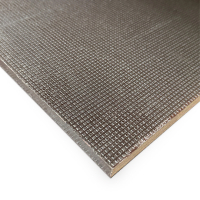

What Makes Phenolic Plywood Different?
Phenolic plywood is a film-faced sheet material engineered for applications that require enhanced durability, slip resistance and moisture protection. It is typically used in high-wear environments such as vehicle flooring, ramps, platforms and industrial work areas where standard plywood may not perform as effectively.
Benefits of Using Phenolic Plywood Sheets
Phenolic plywood sheets are designed to withstand regular use, mechanical stress and exposure to demanding site conditions.
- Durable surface: The phenolic film coating provides a tough, wear-resistant finish suitable for high-traffic areas.
- Slip resistance: Anti slip plywood improves traction, making it suitable for ramps, walkways and vehicle floors.
- Moisture resistance: Manufactured for external-use applications where exposure to damp conditions is expected.
- High-density core: The eucalyptus core plywood provides strength and stability for demanding flooring and platform applications.
- Standard sizing: 18mm phenolic plywood is commonly supplied in 2440mm x 1220mm sheets for general trade use.
- Dual-face design: Mesh phenolic plywood has one smooth face for easier cleaning and one textured face to enhance grip.
This material is best suited to applications requiring a combination of structural strength, surface durability and slip resistance.
When to Choose Phenolic Plywood Over Standard Plywood
Phenolic plywood is recommended where surfaces are subject to frequent traffic, loading or movement. It is particularly suitable for vehicle flooring, access ramps, steps and service platforms where slip resistance and surface durability are critical.
Standard plywood sheets are generally more appropriate for general construction, lining, roofing and joinery where enhanced surface performance is not required. Phenolic plywood should be selected when functional surface properties are a priority.
Advantages and Disadvantages of Phenolic Plywood
Phenolic plywood provides several performance advantages but should be specified according to application requirements.
- Enhanced grip: Textured surface improves safety in areas with foot or wheeled traffic.
- Wear resistance: Film coating reduces surface damage from repeated use.
- Suitable for external conditions: Performs well in damp environments when properly installed.
- Limited aesthetic use: Surface finish is functional rather than decorative.
- Higher cost: WBP exterior plywood may be more suitable for basic exterior sheet work.
- Installation considerations: Edges and fixings must be properly sealed and detailed to maintain performance.
FAQs
Where can I buy eucalyptus plywood?
You can buy eucalyptus plywood from MGN Builders Merchants in our phenolic plywood category. Our 18mm phenolic plywood is made with a eucalyptus core and an anti-slip mesh face, making it suitable for flooring, ramps, trailers, vehicle bases and working platforms.
What is phenolic plywood?
Phenolic plywood is plywood covered with a phenolic resin film, giving the board a tougher and more moisture-resistant surface than standard plywood. Our phenolic plywood is made with a eucalyptus core, which helps provide strength and stability for demanding site, transport and flooring applications.
Which is better, phenolic board or marine plywood?
Phenolic board is usually better for flooring, ramps, trailers and platforms because the film faced surface offers better wear resistance, and anti slip plywood options provide extra grip. Marine plywood is usually better for joinery, boat work and applications where the plywood core must resist long-term moisture exposure, but it does not normally provide the same textured working surface as mesh phenolic plywood.
How do you cut phenolic plywood?
Cut phenolic plywood with a sharp circular saw, table saw or track saw using a fine-tooth blade suitable for sheet materials. Support the board properly, cut slowly to reduce chipping, and seal exposed cut edges afterwards to help maintain moisture resistance.
How do you paint phenolic plywood?
Painting phenolic plywood is not always recommended because the film faced surface is designed to resist moisture, dirt and wear, which also makes paint adhesion harder. If painting is required, the surface should be cleaned, lightly sanded, primed with a suitable bonding primer, and tested first before painting the full board.
What weight limits should I consider when using 18mm phenolic plywood with a eucalyptus core?
Weight limits for 18mm phenolic plywood with a eucalyptus core depend on support spacing, fixing method and load type. When supported at around 400mm centres, it can handle moderate to heavy loads for uses like trailer floors and ramps. Wider spans or point loads reduce capacity, so always ensure proper support.