

Filters
Shopping Options
Birch Plywood
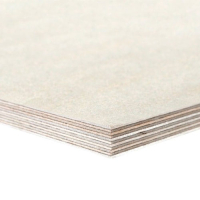 18mm Birch Plywood BB/BB Throughout 2440mm x 1220mm (8' x 4')From £130.20 £108.50
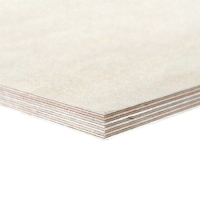 12mm Birch Plywood BB/BB Throughout 2440mm x 1220mm (8' x 4')From £83.40 £69.50
What Is Birch Plywood?
Birch plywood is a high-quality plywood board made from thin layers of birch veneer bonded together for strength, stiffness and stability. Birch plywood sheets are often chosen for joinery, furniture, shelving and fitted interior work where a cleaner, more reliable finish is needed. Compared with many standard plywood boards, they usually offer a smoother face, more consistent construction and a neater layered edge.
Common Uses for Birch Ply
Birch ply is used across a wide range of interior, trade and workshop projects. It suits jobs where strength, accuracy and a tidy finish are more important than simply choosing the cheapest sheet material.
Common uses include:
- Cabinets, cupboards and fitted storage
- Shelving, bookcases and display units
- Drawer boxes and furniture components
- Workbenches, tool stands and garage storage
- Wall panelling and decorative interior features
- Templates, jigs and CNC-cut parts
- Shopfitting, counters and practical joinery work
- Projects where exposed plywood edges are part of the final look
For DIY projects, birch plywood is often chosen because it is easier to achieve a cleaner finish than with many lower-grade sheet materials. For trade work, it is useful when the board needs to machine well, fix securely and give a reliable result on site.
Choosing the Right Birch Plywood for the Job
The right birch plywood depends on the job, the thickness required, how visible the board will be and how much support it will have. Before buying birch plywood sheets, think about whether the board is being used for cabinetry, shelving, furniture, panelling or general joinery.
Key things to consider:
- Thickness: thicker birch plywood usually gives better stiffness, but it also adds weight. Choose the thickness based on the size of the panel, the load it needs to carry and how it will be supported.
- 12mm Birch Plywood: is a practical option for lighter joinery, cabinet backs, drawer parts, wall panelling, templates and detailed interior work where the sheet needs to be easier to cut, lift and handle.
- 18mm Birch Plywood: offers more stiffness and is better suited to cabinets, shelves, workbenches, storage units and furniture projects where the board needs to feel more rigid.
- Face quality: if the surface will stay visible, check the face grade before buying. A cleaner face is better suited to painting, staining, clear coating or decorative joinery.
- Core construction: not every board described as birch faced plywood is the same as birch throughout plywood. Birch faced plywood may have a birch face with a different core, while birch throughout plywood uses birch veneers through the board. If edge appearance, machining or strength matters, check the product specification carefully.
- Edges: birch plywood is often chosen because the layered edge can look neat when cut, sanded and finished properly. This makes it suitable for modern shelving, furniture and exposed-edge joinery.
- Fixing: birch plywood normally fixes well when the right screws and pilot holes are used. For a cleaner finish, avoid fixing too close to the edge and take extra care on visible components.
- Moisture exposure: birch plywood should not be treated as waterproof unless the product specification confirms it. For damp, humid or outdoor conditions in the UK, check the board details and protect cut edges, fixing points and exposed areas.
For projects where water resistance is the main requirement, it may be worth comparing Marine Plywood before choosing birch plywood. For temporary site work, concrete formwork or protection jobs where appearance is less important, Shuttering Plywood may be the more suitable and cost-effective option.
Using Birch Plywood for Joinery, Furniture and Shelving
Birch plywood is a strong choice for joinery and furniture because it combines a clean surface with a solid, workable feel. Within the wider plywood range, birch is often selected for jobs where the board needs to cut neatly, hold its shape and look good after finishing.
For shelving, the main things to consider are thickness, span and support. Longer shelves may need thicker plywood, closer brackets or additional framing to reduce movement over time. For cabinets and fitted storage, the board should be chosen based on the weight it needs to carry and how visible the face and edges will be.
For furniture and decorative joinery, preparation makes a big difference. Sanding, sealing exposed edges and using the right primer, stain, lacquer or clear finish will help achieve a cleaner result, especially where the plywood edge is part of the final design.
Birch plywood is not always the cheapest sheet material, but it is often the better choice for projects where a standard plywood board may look too rough or inconsistent. For builders and DIY users, it works best when the project needs a balance of strength, workability and a smarter finished appearance.
FAQs
Why does birch plywood usually cost more than standard plywood?
Birch plywood usually costs more because it is made with higher-quality birch veneers, a smoother face and a more consistent construction than many standard plywood boards. This makes it better suited to joinery, furniture, shelving and projects where the board will be visible. In many cases, the higher price is justified when you need cleaner cuts, better stability and less finishing work.
What do birch plywood grades mean?
Birch plywood grades describe the appearance and quality of the sheet faces. A cleaner face grade is better for visible work, painting, staining or clear finishing, while lower grades are more suitable where the board will be hidden or appearance is less important. Always check the product grade before ordering, especially for furniture, shelving or decorative joinery.
Can you stain birch plywood?
Yes, birch plywood can be stained, but the final result depends on the face quality, sanding and the type of stain used. Birch has a pale surface, so stain can sometimes absorb unevenly if the board is not prepared properly. For best results, test the finish on an offcut first and seal or condition the surface if needed.
What is the best finish for birch plywood?
The best finish depends on how the board will be used. Clear lacquer, varnish or oil can work well if you want to keep the natural birch look and show the layered edge. Paint is a better option when you want a solid colour finish, but the surface and edges should still be sanded and sealed properly for a cleaner result.
Is birch plywood the same as Baltic birch plywood?
Not always. Baltic birch plywood is a specific type of birch plywood, but not every birch plywood sheet sold in the UK should automatically be called Baltic birch. Check the product title, grade and specification to confirm whether it is birch throughout plywood, birch faced plywood or another construction.
What affects the price of birch plywood sheets?
The price of birch plywood sheets usually depends on thickness, face grade, sheet size, core construction and current stock availability. Thicker boards, such as 18mm birch plywood, normally cost more than thinner options because they use more material and offer greater stiffness. For an accurate price, it is best to check the live product listing before ordering.
Is birch plywood a good choice for shelves?
Yes, birch plywood is a good choice for shelves when you need a strong board with a cleaner finish than standard plywood. The right thickness depends on the shelf length, the weight it needs to carry and how well it is supported. Longer shelves or heavier loads may need thicker plywood, closer brackets or extra framing to reduce bending over time.