

Filters
Shopping Options
Shuttering Plywood
Explore shuttering plywood for concrete formwork, forming concrete edges, site hoarding and temporary protection. It is a practical choice for builders and DIY renovation projects in London and across the UK, especially where a strong, easy-to-handle board is needed for temporary construction work.
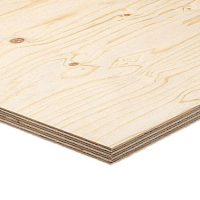
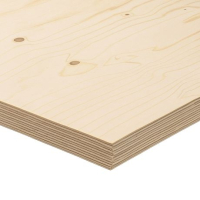
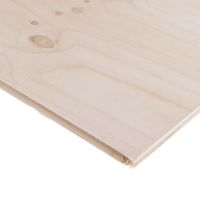
What Is Shuttering Plywood?
Shuttering plywood sheets are practical site boards used when builders need a temporary surface for shaping, supporting or protecting parts of a project. Also known as shuttering ply or plywood for shuttering, they are commonly used for concrete formwork, edge forming, hoarding and general site protection. For builders and DIY renovators, shuttering plywood works best where strength, easy cutting and simple fixing matter more than a decorative finish.
Common Uses for Shuttering Ply
On site, shuttering ply is used for practical jobs where the board needs to be strong, easy to cut and quick to fix. Common uses include:
- Concrete shuttering, basic plywood shuttering and formwork
- Forming clean concrete edges
- Site hoarding and temporary screening
- Protecting floors, walls and surfaces during renovation work
- Temporary partitions to separate work areas
- Packaging, crating and other general site tasks where a tough panel is needed
Choosing the Right Shuttering Plywood for the Job
The right shuttering plywood should be chosen by the job it needs to do, how much support it will have and how long it needs to perform on site. Before buying plywood for shuttering, consider whether the board is needed for formwork, hoarding, surface protection or other temporary construction work.
- For lighter temporary work: 12mm shuttering plywood is usually easier to lift, cut and fix. It is a practical choice for surface protection, basic shuttering boards, temporary coverings and lighter site tasks.
- For stronger temporary panels: 18mm shuttering plywood offers more stiffness, making it better suited to concrete formwork, hoarding, temporary partitions and jobs where the board needs to stay flatter and feel more rigid.
- Thickness: thicker shuttering ply usually provides better stiffness, but it also adds weight. The right choice depends on the balance between strength, handling and how the board will be supported.
- Span: span means the distance between supports. A wider span usually needs a stiffer board or closer support, especially when shuttering plywood is used for concrete work or temporary panels.
- Support: shuttering boards need proper support to perform well. Even a thicker board can bow or move if it is not fixed, backed or braced correctly.
- Fixing: good fixing helps keep the board stable during use. This is important for concrete formwork, hoarding and any temporary work where movement could affect the finish or safety.
- Bracing: bracing helps hold shuttering ply in position when forming concrete edges or temporary moulds. It matters most where wet concrete may put pressure on the board.
- Moisture exposure: shuttering plywood should not automatically be treated as waterproof. For exposed or damp site conditions, check the product specification and protect cut edges, fixing points and boards left outside for long periods.
For general sheathing, flooring or roof decking where concrete formwork is not the main requirement, OSB Board may be a more suitable sheet material to compare before choosing shuttering plywood.
Using Shuttering Plywood for Concrete Formwork
Concrete shuttering plywood is commonly used to create temporary moulds for concrete formwork, including basic slab edges, upstands, small walls, steps and other site-formed concrete details. Shuttering ply gives builders a practical surface to hold wet concrete in place while it sets, but the result depends on the way the plywood is supported, fixed and braced.
For reliable concrete shuttering, consider:
- Board stiffness: thicker shuttering plywood is usually better where the panel needs to resist pressure from wet concrete.
- Support spacing: shuttering boards should be properly backed and supported to reduce bowing.
- Bracing: good bracing helps keep the formwork straight, especially when forming concrete edges.
- Fixing: screws, nails or clamps need to hold the plywood securely without allowing movement during the pour.
- Concrete finish: shuttering ply is practical for general formwork, but it is not normally chosen where a high-end architectural concrete finish is required.
Is Shuttering Plywood Suitable for Moisture and Outdoor Use?
Shuttering plywood is often used on building sites, but it should not be treated as waterproof unless the product specification confirms this. For damp, exposed or outdoor conditions, check the board details before use, especially if it will be left outside for extended periods.
Cut edges, screw holes and fixing points are more vulnerable to moisture, so they may need extra protection on exposed jobs. For long-term outdoor work or projects where weather resistance is essential, an exterior-grade plywood board is usually the more suitable choice than standard shuttering ply.
FAQs
How do you choose the right shuttering ply thickness?
Choose shuttering ply thickness based on the job, the span between supports and how much stiffness the board needs. A lighter board may be enough for simple protection or temporary coverings, while a thicker board is usually better where the sheet needs to stay rigid. For concrete work, proper support and bracing are just as important as thickness.
When should you use 12mm or 18mm shuttering ply?
12mm shuttering ply is usually easier to lift, cut and fix, making it useful for lighter site tasks, surface protection and temporary coverings. 18mm shuttering ply is a better option where extra stiffness is needed, such as concrete formwork, hoarding or temporary panels. The right choice depends on how the board will be supported and how much pressure it needs to handle.
How should shuttering plywood be used for concrete formwork?
Shuttering plywood should be properly supported, fixed and braced before concrete is poured. This helps keep the formwork stable and reduces the risk of bowing, movement or uneven concrete edges. It is suitable for general site-formed concrete work, but not usually chosen for high-end architectural concrete finishes.
Is shuttering plywood waterproof or moisture resistant?
Shuttering plywood should not be treated as waterproof or moisture resistant unless the product specification clearly confirms this. It can be used for temporary site work, but moisture can affect cut edges, screw holes and fixing points. For wet or exposed conditions, always check the board details before use.
Can shuttering ply be left outside during building work?
Shuttering ply may be used outside for temporary site tasks, but it should not be left exposed for long periods unless the specification allows it. Rain, standing water and repeated wetting can reduce performance, especially around the edges and fixings. For longer outdoor exposure, an exterior-grade plywood board is usually the safer choice.
How can you protect shuttering plywood from moisture?
Keep sheets covered, raised off wet ground and protected from standing water where possible. Cut edges, screw holes and fixing points are the most vulnerable areas, so these should be protected if the board may face moisture. Always follow the product specification if the sheet is being used in damp or exposed conditions.
How many times can shuttering plywood be reused?
Shuttering plywood can sometimes be reused if it remains flat, sound and free from major damage. Before reuse, check for swelling, delamination, broken edges, loose fixings or surface damage that could affect performance. Sheets used for concrete formwork should be inspected carefully before being used again.
What size shuttering plywood sheets are commonly used?
Shuttering plywood sheets are commonly supplied in standard 2440mm x 1220mm sizes, often referred to as 8x4 sheets. This format is practical on site because it gives good coverage while still being manageable to cut and handle. Always check the individual product page for the exact size, thickness and board specification before ordering.
When should you choose exterior plywood instead?
Choose exterior plywood when the project needs better resistance to weather exposure or longer-term outdoor performance. Standard shuttering ply is mainly used for temporary formwork, hoarding, protection and general site tasks. If moisture or external use is a key requirement, compare the product specification before choosing the board.
Is OSB Board suitable instead of shuttering plywood?
OSB Board can be a practical option for some sheathing, flooring, roof decking and general boarding jobs. For concrete formwork, shuttering plywood is usually the better choice because it is more commonly used for forming edges and temporary moulds. Compare both sheet materials based on the job, exposure, support and required finish.