

Filters
Shopping Options
Internal Wall Insulation
Internal wall insulation for drylining and refurbishment projects, designed to improve indoor comfort and reduce heat loss. Suitable for lining walls and for use within stud partitions where you want a warmer, more efficient room. Compare options and choose the right product for your wall build-up and project.
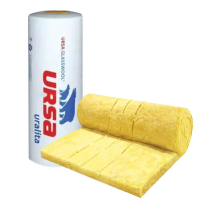
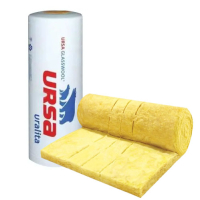
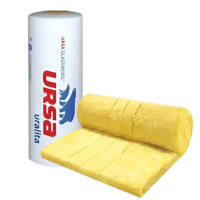
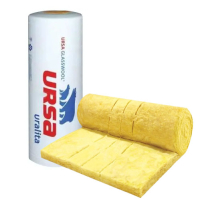
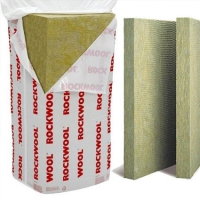
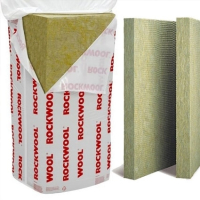
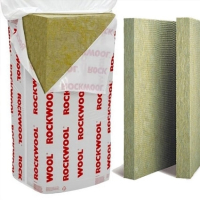
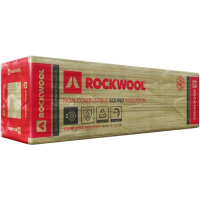
Internal Wall Insulation: What It Is & When It’s the Right Choice
Internal wall insulation is added on the room side of an external wall to keep heat where you actually live. With insulation for internal walls, the walls stop acting like cold sinks, so the space holds heat for longer and feels more stable day to day. It makes sense when you need the upgrade done from indoors, and the outside finish has to stay as it is.
When It’s the Right Choice
- If you need a simple comfort upgrade for typical UK homes where external-facing rooms lose heat quickly, internal insulation is often the most efficient solution.
- If you cannot or do not wish to alter the exterior of the building, all upgrades should be completed internally.
When managing space, consider that internal wall insulation thickness balances thermal performance with available room size. The insulation method should be tailored to the wall type, whether it is solid masonry or a framed wall.
Insulation for Internal Walls: Key Applications
- Cold external-facing rooms: internal wall insulation helps reduce cold wall surfaces and improve comfort when rooms drop in temperature quickly.
- Solid masonry walls with no cavity: solid wall internal insulation is suitable for older brick/block walls where the upgrade must be done from the inside.
- Stud/framed wall build-ups: internal stud wall insulation is used for projects where insulation sits within a stud lining or a framed structure.
- Space-restricted rooms: thin internal wall insulation is relevant where you need better comfort but can’t afford to lose much floor area.
- Interior refurb projects: insulation for internal walls makes sense when you’re already relining, redecorating, or upgrading internal finishes.
Internal Wall Insulation Rolls, Slabs & Insulated Plasterboard: What to Choose
When selecting an insulation format, consider your project requirements. Decide whether you need flexibility to suit variable spaces, stability behind a lining, or a finished lining surface in a single step.
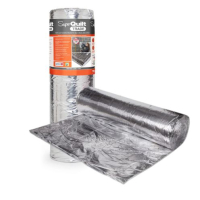
Rolls are the more flexible option. An internal wall insulation roll suits projects where you want a format that’s easy to work with across uneven or variable spaces. For larger areas, internal wall insulation on a roll is simply a convenient way to cover more wall area with the same format.
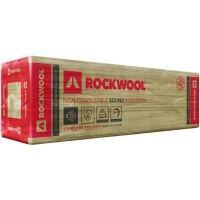
Slabs provide greater stability. They maintain their shape and are suitable for projects requiring a consistent layer behind linings. Many users searching for internal wall insulation boards prefer this firmer, lining-friendly format, even when products are labelled as slabs instead of boards.
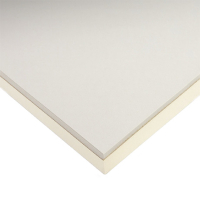
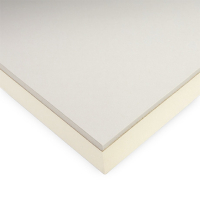
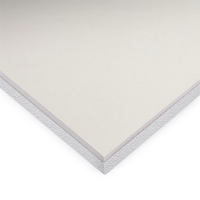
Insulated plasterboard combines insulation with an internal lining surface. This option is suitable when you want both features in a single product, reducing the need for separate insulation and separate board finishes. If you prefer a lining-led approach, insulation boards for internal walls often reflects that integrated route.
Quick Reference: Choose by Project Requirement
- For variable spaces where flexibility matters, choose rolls.
- For a firm, consistent layer behind a lining, select slabs.
- For an integrated lining surface, choose insulated plasterboard.
- If you prefer a firmer, board-like approach, internal wall insulation boards is the wording many people use for this format choice.
If you’re planning external works instead, see external wall insulation, and if your walls have a cavity construction, cavity wall insulation may be the better fit.
Choosing the Right Thickness: Thin & Thinnest Internal Wall Insulation
For typical UK homes, internal wall insulation decisions usually start with one thing: how much space you can realistically give up and which existing details and services you don’t want to relocate.
- If space is limited, a thinner insulation build-up often provides the best balance, improving comfort without significantly increasing project scope.
- If minimising depth is the priority, the thinnest options reduce disruption, though they offer less thermal improvement than thicker solutions.
- If you are relining or completing a full refurbishment, using thicker insulation is often worthwhile, as it provides greater improvement on cold external walls.
A simple rule: pick the minimum thickness that delivers the comfort you want without creating a chain of extra remedial work.
FAQs
How does internal wall insulation work?
It reduces heat transfer through external walls by adding an insulating layer on the inside. That typically improves comfort by raising internal wall surface temperatures and reducing heat loss.
How thick should internal wall insulation be?
It depends on how much space you can give up and how simple you need the internal detailing to stay. In practice, choose the minimum thickness that gives you the comfort you want without causing extra work.
What is internal solid wall insulation?
It’s internal insulation used on solid masonry walls with no cavity (common in older UK buildings). The insulation is applied on the room side to reduce heat loss and improve comfort.
What is the best internal wall insulation?
There isn’t one “best” option. It depends on wall type, space constraints, and the finish you want. The quickest way to choose is to match the format (roll, slab, or insulated plasterboard) to those constraints.
How much does internal wall insulation cost?
Costs vary with wall area, wall condition, the chosen format, and the amount of internal finishing. For a realistic total, compare product prices per m² and add the finishing work needed for the final surface.