

Filters
Shopping Options
Acoustic Insulation
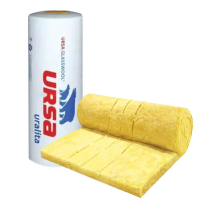
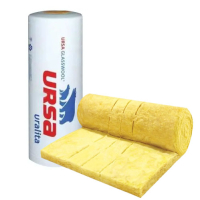
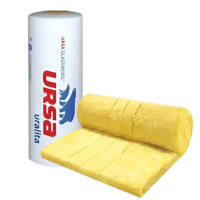
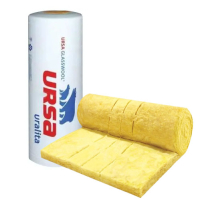
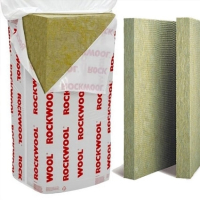
Acoustic Insulation: What It Is & When It’s the Right Choice
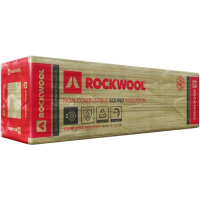
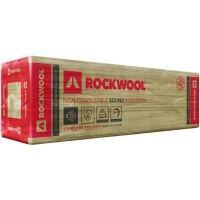
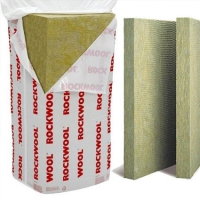
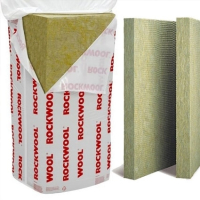
Acoustic insulation (also called sound insulation or soundproof insulation) is installed inside the void of a wall, floor, or ceiling to cut down on noise passing from one space to another. Most products are made from mineral wool, which helps absorb sound within the cavity and improve privacy between rooms or storeys. It’s a simple, dependable option for standard construction and refurbishment work.
When It’s the Right Choice
-
You want better privacy between rooms in internal walls and partitions.
-
You’re insulating stud walls to cut voices, TV, and general household noise.
-
You need to reduce sound transmission on a party wall sound insulation build-up between neighbours.
-
You’re reducing noise travel between floors in flats or multi-storey homes.
-
You’re upgrading a ceiling or floor build-up as part of a wider acoustic approach.
Typical Applications for Acoustic Insulation
Acoustic insulation (sound insulation / soundproof insulation) works best when it’s fitted tightly within the void, with no gaps and no compression. It’s commonly used wherever you need insulation for sound reduction and better room-to-room privacy.
-
Internal walls & partitions: Adds internal wall sound insulation to help reduce voices and everyday household noise between rooms. More options in internal wall insulation.
-
Stud walls: A strong choice for stud wall sound insulation, improving privacy in bedrooms, home offices, and living spaces.
-
Party walls: Used to limit sound transmission between adjoining properties (a common party wall sound insulation upgrade).
-
Between floors: Acoustic insulation between floors helps reduce sound travel in flats and multi-storey homes, especially when combined with the right floor/ceiling build-up. For full joist build-ups, see the wider floor insulation range.
-
Floors & ceilings: Supports quieter rooms by improving overall performance in floor and ceiling systems, including consistent ceiling sound insulation where required.
Acoustic Insulation Rolls vs Slabs: What to Choose
Insulation rolls and insulation slabs both help reduce noise transfer — the main difference is how they fit into the cavity and how well they stay in place. Both formats can help improve sound insulation when installed neatly with no gaps.
Insulation rolls are flexible mineral wool supplied as a continuous quilt. You roll it out, cut it to length, and lay it into position.
Choose rolls when:
-
You want fast coverage over larger areas.
-
You’re working in a straightforward, consistent cavity (especially where the insulation will be supported by a lining/deck).
-
You need flexibility to work around awkward shapes and services.
-
You want fewer joins across long runs.
Insulation slabs are semi-rigid mineral wool batts that hold their shape and are easier to fit tightly between studs or joists. They’re often preferred where you need a tighter fit for acoustic insulation in partitions.
Choose slabs when:
-
You need a cleaner friction-fit between studs/joists to avoid small gaps.
-
You’re insulating vertical cavities (partitions/internal walls) where sagging is a risk.
-
You’re working with lots of separate bays and want a more controlled, consistent fit.
-
You want quicker, tidier cutting and placement bay-by-bay.
Choose the Right Thickness (50 / 75 / 100 / 150 / 200mm)
Choosing the right thickness of soundproof insulation comes down to one thing: match it to the cavity depth so it fits snugly without being forced in. If it’s compressed, performance drops; if it’s loose or leaves gaps, sound will still travel through — which is why getting the fit right matters in typical UK stud-and-joist constructions.
-
50mm – Suitable for shallow voids, compact assemblies, or areas with limited space where improved acoustic performance is needed.
-
75mm – Appropriate for medium-depth cavities, commonly used in partitions to provide effective internal wall sound insulation without overfilling.
-
100mm – Commonly used where cavity depth permits, including many stud walls and joist floors; also a practical choice for acoustic insulation between floors in standard projects.
-
150mm – Designed for deeper cavities requiring a fuller fill, often used in upgraded wall or floor and ceiling assemblies.
-
200mm – Intended for the deepest cavities where complete fill is required as part of a higher-performance assembly.
Tip: If your cavity is 100mm deep, select 100mm insulation to keep the fit clean and gap-free — especially important when you’re aiming for consistent ceiling sound insulation across the full area.
FAQs
Does acoustic insulation have thermal properties?
Yes. Most acoustic insulation is made from mineral wool, which also provides some thermal insulation by trapping air in its fibres. While it doesn’t replace dedicated thermal products in every situation, it can make a noticeable difference in comfort when you’re reducing sound. The actual thermal performance depends on the thickness and the whole system.
What is sound insulation?
Sound insulation is material placed inside walls, floors, or ceilings to reduce noise travelling between rooms. In most UK homes, this usually means filling the cavity with mineral wool to help with privacy. It works best as part of a full build-up, not on its own.
How does sound insulation work?
It cuts down noise by absorbing sound energy inside the cavity and reducing vibration paths through the structure. A tight fit is important because gaps, slumping, or too much compression can lower its effectiveness. For best results, use it with the right lining and detailing for your wall, floor, or ceiling.
What are the key benefits of acoustic insulation?
It helps reduce sound passing through walls, floors, and ceilings, improving privacy between rooms or storeys. It’s easy to cut and fit into most cavities, which makes it practical for both new builds and renovations. Mineral wool also usually provides a useful secondary thermal benefit, depending on the overall construction.