

Filters
Shopping Options
Сavity wall insulation
Cavity wall insulation for brick-and-block cavities, helping to keep heat in and improve comfort across UK new-build and refurbishment jobs. A solid choice for fitting between the inner and outer leaf as part of a standard wall build-up, supporting the U-value and spec you’re working to. Compare thicknesses to match your cavity width and requirements.
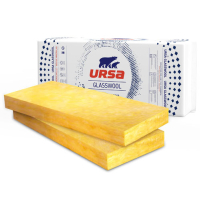
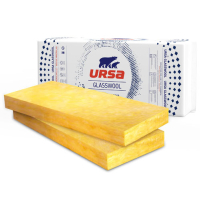
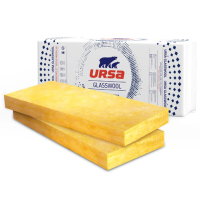 75mm URSA 35 Cavity Wall Insulation Slab 1350mm x 455mm 4.91m2-£6.00From £29.99 £24.99 From £35.99
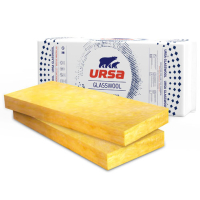
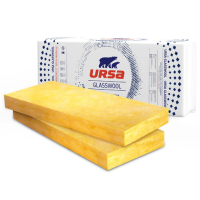 100mm URSA 32 Cavity Wall Insulation Slab 1350mm x 455mm 3.07m2-£9.01From £44.39 £36.99 From £53.40
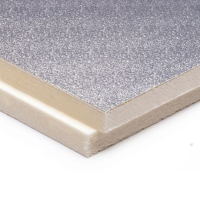
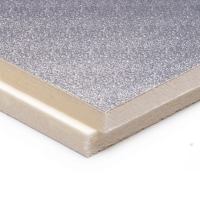
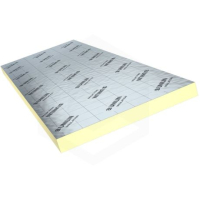
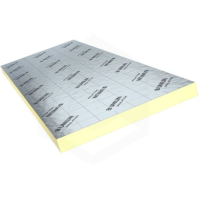
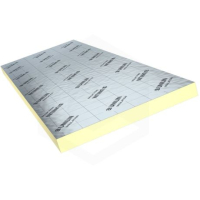
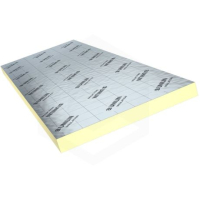
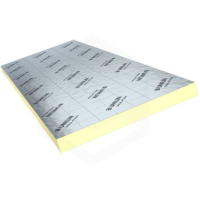
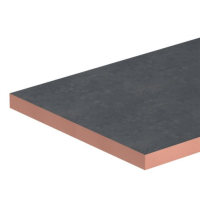
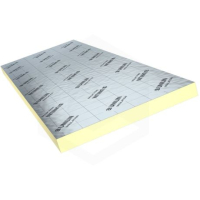 150mm PIR Insulation Board 2400mm x 1200mm (8' x 4')From £78.00 £65.00 £78.00 / 1 Sheet Inc VAT
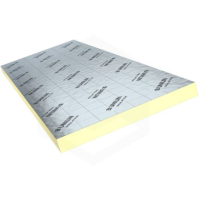
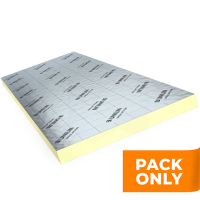 30mm PIR Insulation Board 2400mm x 1200mm (8' x 4')From £23.23 £19.36 £23.23 / 1 Sheet Inc VAT
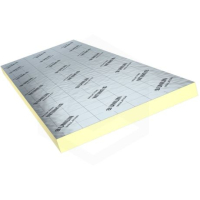
 60mm PIR Insulation Board 2400mm x 1200mm (8' x 4')From £40.08 £33.40 £40.08 / 1 Sheet Inc VAT
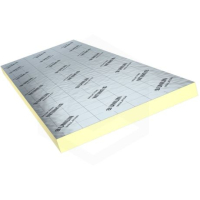
 80mm PIR Insulation Board 2400mm x 1200mm (8' x 4')From £52.80 £44.00 £52.80 / 1 Sheet Inc VAT
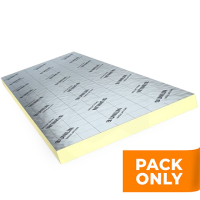 110mm PIR Insulation Board 2400mm x 1200mm (8' x 4')From £67.14 £55.95 £67.14 / 1 Sheet Inc VAT
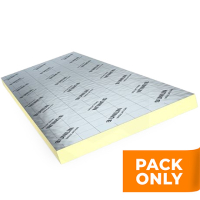 130mm PIR Insulation Board 2400mm x 1200mm (8' x 4')From £75.74 £63.12 £75.74 / 1 Sheet Inc VAT
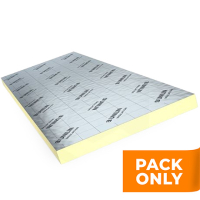 140mm PIR Insulation Board 2400mm x 1200mm (8' x 4')From £79.57 £66.31 £79.57 / 1 Sheet Inc VAT
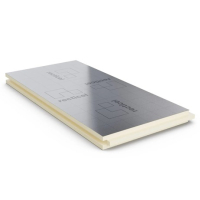

Cavity Wall Insulation: What It Is & How It Works
Cavity wall insulation is a way of insulating a cavity wall by adding insulation into the void between the two wall leaves. The aim is to limit heat escaping through the external wall build-up, so the property holds warmth better and the heating can run more efficiently.
How it works (simple): an empty cavity can act like a channel where heat moves outwards and air drifts around inside the wall. Once insulated, that space is effectively “broken up” — airflow is reduced and heat has a harder path to travel through, which helps keep internal temperatures more consistent.
Types of Cavity Wall Insulation (Full Fill, Blown, Loose Fill, Pumped)
There are several cavity wall insulation types, and the most suitable option depends on the wall build-up, how clean and even the cavity is, and what you want to improve. In the UK, cavity construction can vary by property age and exposure, so it’s worth keeping those conditions in mind. The overall aim is straightforward: insulate the cavity to boost thermal performance, without creating avoidable moisture risk.
-
Full fill cavity wall insulation fills the cavity across its full width to form a continuous layer within the wall. It’s typically chosen where the cavity and detailing are appropriate for a full-depth solution, so the wall construction continues to perform as intended.
Best for: straightforward cavity walls where a full-depth insulation layer is appropriate. -
Blown cavity wall insulation is added by blowing insulation into the cavity so it spreads through the void and improves coverage. It’s often selected for upgrades to existing cavity walls, especially when access is limited and you want consistent fill.
Best for: many retrofit situations where insulation is added into an existing cavity. -
Loose fill cavity wall insulation uses a loose material that sits in the cavity to reduce air movement and lower heat loss. It works best when the cavity can be filled evenly and the wall build-up is suitable for reliable performance.
Best for: cavities that can be filled consistently without leaving gaps. - Pumped cavity wall insulation is installed by pumping insulation into the cavity to help achieve controlled distribution and reduce cold spots. This approach is commonly used when even coverage is the main priority.
Best for: projects where consistent coverage through the cavity is a priority.
If you need to do the work inside, choose internal wall insulation. If you plan to work on the outside of the building, use insulation for external wall.
Savings & Benefits: Is Cavity Wall Insulation Worth It?
If your property has suitable cavity walls, wall cavity insulation is often a smart upgrade because it tackles heat loss through the external wall structure. For many UK homes, it can make a noticeable difference in comfort during colder months, especially where walls are currently uninsulated. The day-to-day difference is usually simple: rooms hold warmth better, temperatures feel less “up and down”, and your heating doesn’t need to run as intensively to stay comfortable.
Key cavity wall insulation benefits
-
Reduced heat loss through external walls – less warmth escapes, particularly during colder periods.
-
More consistent room temperature – fewer cold spots and less of that chilly feel near outside walls.
-
Improved heating efficiency – the system reaches target temperature quicker and switches on/off less often.
-
Better comfort day-to-day – living spaces and bedrooms feel easier to keep warm.
Cavity wall insulation savings: what to expect
Cavity wall insulation savings vary with wall area, current insulation levels, how you heat the home, and the starting efficiency of the property. A simple way to think about it: if your walls are losing a lot of heat right now, insulating the cavity usually gives you more room to save.
When is cavity wall insulation worth it most?
-
the property has uninsulated cavity walls
-
the home cools down quickly or feels hard to keep warm
-
you’re spending a lot just to maintain comfortable temperatures
-
you want an efficiency upgrade without reducing internal space
Costs, Price Drivers & Cost per m²
Cavity wall insulation cost can vary quite a lot because it depends on the building, the wall area, and how straightforward the cavity is to insulate. In the UK, access requirements and property layout can also influence the time on site, so it’s more useful to think in realistic ranges than to expect one fixed price for every property.
What affects the cost of cavity wall insulation
-
Wall area and height – more external wall surface generally means a higher overall cost.
-
Access and working space – scaffolding, restricted access, or awkward elevations can increase labour time.
-
Cavity condition – if the cavity isn’t suitable or needs extra prep, the job becomes more complex.
-
Property type and layout – detached homes, extensions, and hard-to-reach elevations can push the cavity wall insulation price up.
-
Method used – different installation approaches can change the time on site and the overall cavity wall insulation cost.
-
Scope of work – insulation for cavity wall projects can vary depending on whether you’re improving an existing build-up or working around extensions and altered elevations.
Cost per m²: a practical way to compare
Looking at cavity wall insulation cost per m2 helps you compare options on a like-for-like basis, especially when properties differ in size. Just keep in mind that cost of cavity wall insulation per m2 may look higher on smaller jobs (fixed set-up time is spread over fewer square metres), while larger wall areas can sometimes reduce the average rate.
FAQs
How long does cavity wall insulation last?
Cavity wall insulation can last for decades when the cavity stays dry and the wall is suitable. In many homes it performs for 20–40+ years; problems usually come from moisture, poor installation, or changes to the wall (cracks, failed pointing, blocked ventilation/weep holes).
How much does cavity wall insulation cost?
Cost depends mainly on external wall area, access (scaffolding, restricted space), and how straightforward the cavity is to fill. A useful way to compare is cost per m², but small jobs often look higher per m² because set-up time is spread over fewer metres.
How does cavity wall insulation work?
An empty cavity lets heat escape and allows air to move inside the wall. Insulation reduces that airflow and slows heat transfer, so rooms hold warmth more evenly and the heating doesn’t need to work as hard.
Does cavity wall insulation cause damp?
It shouldn’t in a suitable wall, installed correctly, with moisture managed properly. Damp issues are more likely where the property is very exposed to wind-driven rain, the cavity is already wet/dirty, or the wall has defects that let water track across.
What does cavity wall insulation look like?
You won’t usually see it from inside because it sits within the cavity. Externally, you may notice small filled drill holes in mortar joints from an injected installation, plus any paperwork/certificate if available.
How do I know if I have cavity wall insulation?
Look for filled drill marks on the outer brickwork and any installation documents/certificates. The most reliable check is a quick inspection with a borescope through a mortar joint to confirm the cavity is filled.
Is cavity wall insulation safe?
Yes, when matched to the wall condition and installed properly. The key safety point is suitability: dry cavity, correct exposure assessment, and good detailing so moisture risk stays controlled.
What to do when cavity wall insulation gets wet?
First, find and fix the moisture source (leaks, damaged pointing, blocked gutters/weep holes, bridged cavity). If the wall has stayed wet or you’re seeing persistent damp/cold spots, arrange a cavity inspection to assess the insulation condition and whether remedial work is needed.