

Filters
Shopping Options
Insulation Slabs
Insulation slabs for cavity walls, stud partitions, roofs and suspended timber floors, designed to friction-fit between studs, joists and rafters for consistent thermal and acoustic performance. A practical semi-rigid slab insulation option that holds its shape for a cleaner fit and even thickness in framed build-ups. Choose a thickness to suit your frame depth and specification.
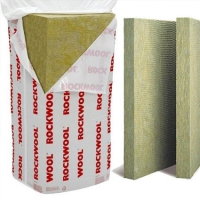
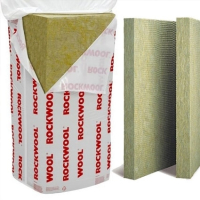
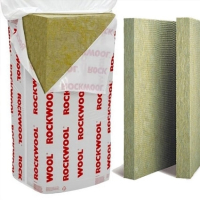
 75mm URSA 35 Cavity Wall Insulation Slab 1350mm x 455mm 4.91m2-£6.00From £29.99 £24.99 From £35.99
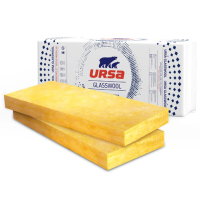
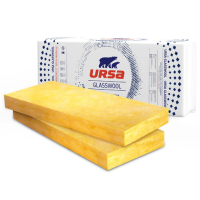 100mm URSA 32 Cavity Wall Insulation Slab 1350mm x 455mm 3.07m2-£9.01From £44.39 £36.99 From £53.40

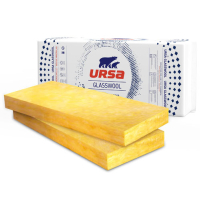
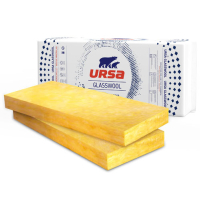
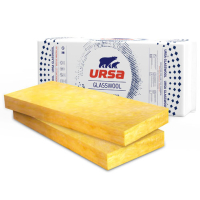
Insulation Slabs: What They Are & When They’re the Right Choice
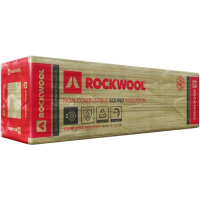
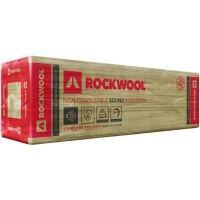
Slab insulation is a semi-rigid mineral wool panel (glass or stone wool) supplied in set sizes and thicknesses for a secure friction-fit in cavity and framed build-ups. Insulation slabs hold their shape for a cleaner fit and consistent thermal and acoustic performance, with many options available in non-combustible fire ratings (product-dependent).
Where Insulation Slabs Work Best
- Cavity walls (cavity slab insulation) - designed for consistent coverage and a stable fit across the cavity. See cavity wall insulation.
- Stud partitions & separating walls (acoustic insulation slab / sound insulation slab) - helps improve acoustic absorption and reduce airborne noise transfer (use acoustic-rated slabs where specified).
- Suspended timber floors (between joists) - friction-fits neatly between joists to improve thermal comfort and support sound control, depending on the build-up.
- Roof and loft framed sections - practical for accurate fitting between rafters/joists, with common thicknesses such as 50mm, 75mm, 100mm, and 150mm. Explore roof insulation.
How to Choose the Right Insulation Slabs
- Match the application: use cavity wall insulation slab products for cavity walls; choose acoustic insulation slab / sound insulation slab for stud partitions and separating walls; use slab insulation between joists/rafters where a stable friction-fit is needed.
- Choose the performance focus: prioritise thermal performance for heat retention, or acoustic-rated slabs for sound control.
- Select the thickness to suit the build-up: common options include 50mm, 75mm, 100mm, and 150mm-match the slab thickness to the cavity/stud depth and your specification.
- Check key specs before buying: mineral wool type, stated coverage/size per pack for estimating quantities, and fire rating (product-dependent).
Why Choose Insulation Slabs
- Stable, semi-rigid format that holds shape better than rolls for a cleaner fit
- Strong choice for cavity slab insulation and framed walls where gaps/voids matter
- Acoustic insulation slab / sound insulation slab options for partitions and separating walls
- Reliable thermal performance when fitted without gaps or over-compression
- Fixed panel sizes for neater cutting, set-out, and fitting around services
- Fire performance options available (product-dependent)
FAQs
What’s the difference between insulation slabs and insulation rolls?
Slab insulation is a semi-rigid mineral wool panel that holds its shape for a cleaner, more consistent fit in studwork, cavities, and between joists/rafters. Insulation rolls are flexible and better for fast coverage across larger areas where long lengths can be cut and laid. Choose slabs when you want a defined thickness and stability in vertical or framed sections, and rolls when speed and continuous coverage are the priority.
What thickness of slab insulation do I need (50mm, 75mm, 100mm, 150mm)?
Choose slab insulation thickness to match the depth of the space you’re filling (stud, joist, or rafter depth) and the performance target in your build-up. Common options like 50mm, 75mm, 100mm and 150mm are used depending on frame depth and whether thermal performance or sound control is the priority. If you’re layering insulation, calculate thickness per layer and avoid compressing mineral wool, as this can reduce performance.
How many insulation slabs do I need?
Measure the total area to insulate in m², then divide by the pack coverage (m² per pack) shown on the product page and round up to whole packs. Add around 5–10% for cuts and offcuts, especially around perimeter edges, openings, and services. If you’re insulating different zones or using multiple thicknesses, calculate each section separately to reduce waste.
Can I cut insulation slabs to size and how?
Yes - mark the size and cut slab insulation on a flat surface using an insulation knife or a long serrated blade for a clean edge. For a secure friction-fit, cut the slab slightly oversize (typically 5–10mm) so it sits snugly without gaps and supports itself in the bay. Avoid over-compressing the slab or leaving voids around cables and pipes - neat trimming gives more consistent performance.
Are insulation slabs non-combustible?
Many mineral wool insulation slabs are available with non-combustible fire ratings, but it depends on the specific product and certification. Check the product listing or datasheet for the stated fire classification (e.g., A1/A2 where specified) and any system limitations. If a project spec calls for a particular rating, choose slabs that explicitly state compliance rather than assuming.