

Filters
Shopping Options
Concrete Roof Tiles
Concrete roof tiles for pitched roofs, available in interlocking and plain formats to suit a range of pitches, profiles and property styles across UK residential and light commercial projects. Also known as cement roof tiles, they provide a durable, low-maintenance covering that works with standard batten and underlay build-ups to meet the spec and U-value requirements of most pitched roof applications. Browse by profile and colour to match your coverage rate and pitch.
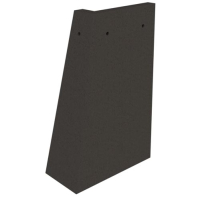
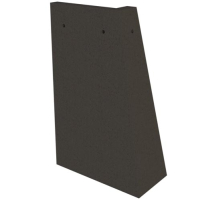
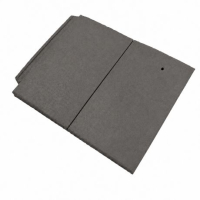
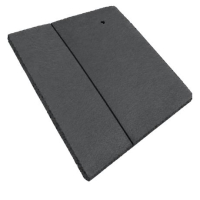
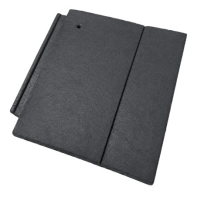
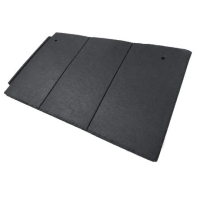
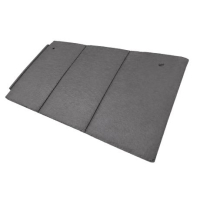
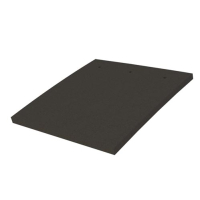
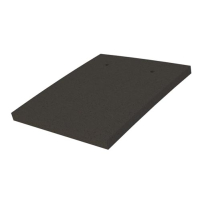
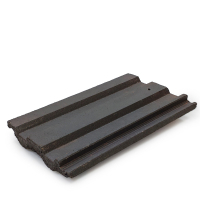 Interlocking Profiled Concrete Roof Tile Slate Grey 385mm x 230mm-£0.12From £1.14 £0.95 From £1.26
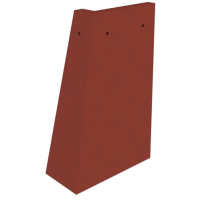
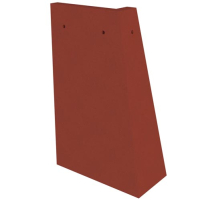
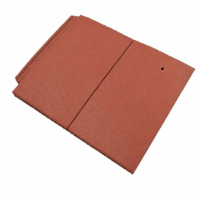
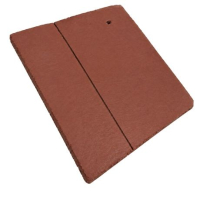
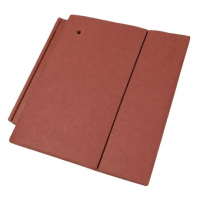
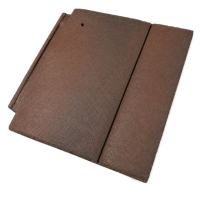
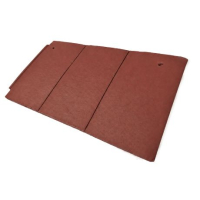
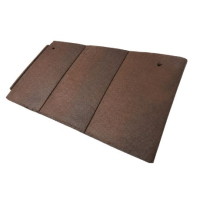
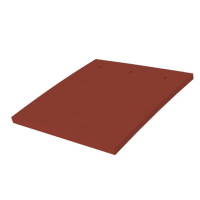
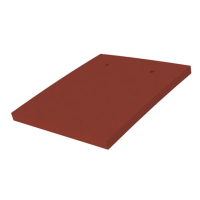
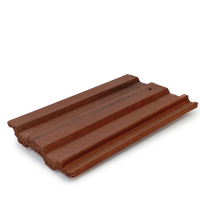 Interlocking Profiled Concrete Roof Tile Autumn Red 385mm x 230mm-£0.12From £1.14 £0.95 From £1.26


What are concrete roof tiles?
Concrete roof tiles are cement-based roofing units used on pitched roofs to provide durable, weather-resistant protection. Their uniform shape supports consistent installation and an even roof finish across a range of building types. Widely used across the UK on residential and light commercial properties, concrete tiles for roofs remain a common roofing choice.
Where are concrete roof tiles used?
• Residential pitched roofs on houses and bungalows, where durability and long-term performance are required. Grey concrete roof tiles are often chosen for modern and contemporary properties, while red concrete roof tiles remain a popular option for traditional housing styles.
• House extensions and refurbishment projects, when matching or upgrading existing pitched roofs with a consistent, uniform finish that complements the existing property.
• Garages, porches, bay roofs and other small pitched structures, where concrete tiles provide a robust and visually consistent covering alongside the main roof.
• Outbuildings and garden buildings that need a long-lasting, weather-resistant roof to visually align with the primary dwelling.
• Small commercial and light industrial roofing projects, where reliable performance and a traditional tiled appearance are required across standard pitched roofs.
Why concrete tiles for roofing are a popular choice
Concrete roof tiles in the UK offer a reliable roofing solution for pitched roofs, combining strong weather performance with a traditional, uniform appearance. They are generally more economical than clay roof tiles while still achieving a similar aesthetic across commercial and residential projects. Compared with premium materials such as natural roof slates, concrete tiles for roof provide a practical balance of durability, versatility and overall value for a wide range of UK roofing applications.
Advantages and limitations
Advantages
• High weather resistance – Roof tiles concrete perform reliably in wind, rain and frost, making them suitable for most UK climate conditions.
• Low maintenance needs – These roofing units typically require minimal upkeep throughout their service life.
• Dimensional consistency – interlocking concrete roof tiles benefit from uniform profiles that support accurate alignment and a clean, even roof finish.
• Flexible design use – Suitable for both simple and complex roof shapes across residential and light commercial projects.
Limitations
• Higher weight – cement-based roof tiles are heavier than many alternative roofing materials and may require additional structural support on older or lightweight roof constructions.
• Colour weathering – Surface colours, particularly on uncoated finishes, may gradually lighten over time due to UV exposure.
• Increased installation demand for plain formats – Roofs using plain concrete roof tiles require more units per m², increasing handling and installation time.
Key price factors for concrete roof tiles
• Tile profile and coverage – Interlocking options typically lower the concrete roof tiles price per m² by reducing the number of tiles required, while plain formats increase material use and installation time.
• Thickness and density – Heavier, higher-density tiles designed for improved durability can increase the cost of concrete roof tiles per m², especially across larger roof areas.
• Finish and colour – Standard natural concrete finishes are generally more cost-effective, while textured surfaces, coatings and specialist colours sit at a higher price point.
• Roof detailing – Features such as hips, valleys and ridges add components and labour, influencing the overall cost of concrete roof tiles once installation is factored in.
For customers looking to buy concrete roof tiles, MGN offers a broad selection of profiles, colours and coverage options, with clear specifications to help estimate quantities and project costs accurately.
FAQs
What is the difference between interlocking and plain concrete roof tiles?
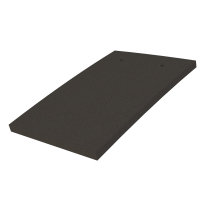
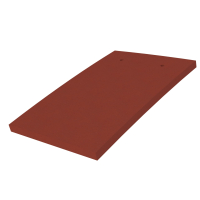
Interlocking tiles are larger profiles that connect at the sides, so they usually cover a roof with fewer tiles per square metre. They are often used on larger pitched roofs where quicker installation and efficient coverage matter. Plain tiles are smaller and laid with more overlap, giving a more traditional roof finish for extensions, porches, dormers and classic roof designs.
Which concrete roof tile should I choose?
Choose interlocking profiles for standard pitched roofs where efficient coverage, secure fixing and practical installation are key priorities. Plain tiles are better suited to projects where you need a traditional appearance, smaller-format detailing or a closer match to an existing roof. Before ordering, check the roof pitch, tile size, coverage rate, headlap and fixing requirements.
What roof pitch are concrete roof tiles suitable for?
The minimum roof pitch depends on the tile profile and installation method. Some interlocking profiles can be suitable from around 17.5° when installed with the correct headlap, while plain tiles usually need a steeper pitch, often around 35° or above. Always check the product specification before choosing by colour, finish or style.
How many concrete roof tiles do I need per m²?
The number needed per square metre depends on the tile size, profile and required headlap. Larger interlocking tiles often need around 16 to 18 tiles per m², while smaller plain tiles can need around 60 tiles per m². Allow extra for cuts, breakages, hips, valleys, verges and more complex roof shapes.
What fixings are used for concrete roof tiles?
These tiles are usually fixed with roofing nails, clips or a combination of both. The correct fixing method depends on the tile profile, pitch, exposure level, batten layout and manufacturer specification. Fixing requirements are especially important on exposed sites, roof edges, eaves, verges and ridges.
Are concrete roof tiles suitable for replacing old roof tiles?
They can be used for re-roofing, but the existing structure should be checked before work starts. Concrete tiles are relatively heavy, so rafters, battens, underlay and fixings must be suitable for the new roof covering. On older roofs, also check for worn underlay, rotten battens, poor ventilation and any materials that may need specialist handling.
How long do concrete roof tiles last?
Concrete roof tiles can last for several decades when installed correctly as part of a complete pitched roofing system. Service life depends on weather exposure, roof pitch, fixing quality, ventilation, underlay condition and maintenance. Replacing damaged tiles early helps reduce the risk of water ingress and wider roof repairs.
When should concrete roof tiles be replaced?
Replace individual tiles if they are cracked, broken, loose, slipping, missing or letting water into the roof. A larger repair may be needed if there are repeated leaks, failed underlay, rotten battens or widespread tile movement. On older roofs, the condition of the supporting layers is often just as important as the tiles themselves.
Do concrete roof tiles become porous or need sealing?
Concrete can weather over time, but a correctly installed pitched roof should shed water through the right pitch, laps, fixings, underlay and detailing. Sealant should not be used as a quick fix for leaks. If water is getting in, check for cracked tiles, poor laps, damaged flashing, blocked drainage, failed underlay or rotten battens first.
How should concrete roof tiles be cleaned?
Clean the roof carefully to avoid damaging the tile surface or forcing water beneath the laps. Loose moss, leaves and debris can usually be removed with safe access and suitable hand tools. Avoid aggressive high-pressure washing, as it can damage the surface and push water into joints, headlaps or the roof structure.