

Filters
Shopping Options
PIR Insulation
PIR insulation boards for floors, walls, roofs and loft projects, designed to reduce heat loss and improve comfort with a slim, rigid board format. A popular choice across UK new-build and refurbishment work where you want effective insulation without a bulky build-up. Compare foil-faced board options and thicknesses to match your build-up and installation area.
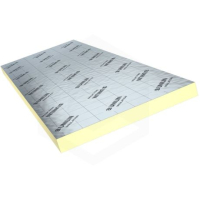
 30mm PIR Insulation Board 2400mm x 1200mm (8' x 4')From £23.23 £19.36 £23.23 / 1 Sheet Inc VAT
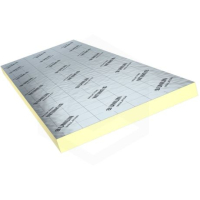
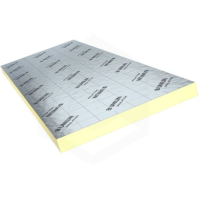
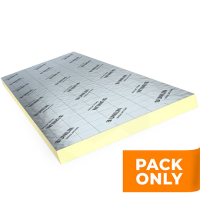 60mm PIR Insulation Board 2400mm x 1200mm (8' x 4')From £40.08 £33.40 £40.08 / 1 Sheet Inc VAT
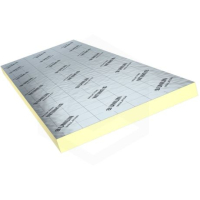
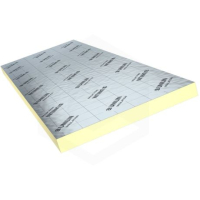
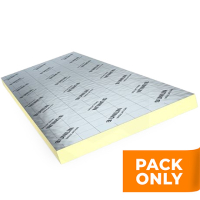 80mm PIR Insulation Board 2400mm x 1200mm (8' x 4')From £52.80 £44.00 £52.80 / 1 Sheet Inc VAT
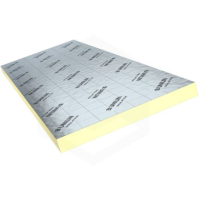
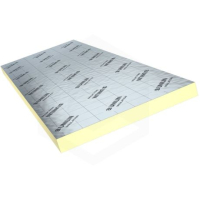
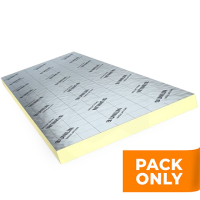 110mm PIR Insulation Board 2400mm x 1200mm (8' x 4')From £67.14 £55.95 £67.14 / 1 Sheet Inc VAT
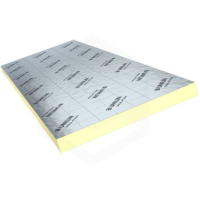
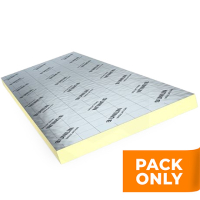 130mm PIR Insulation Board 2400mm x 1200mm (8' x 4')From £75.74 £63.12 £75.74 / 1 Sheet Inc VAT
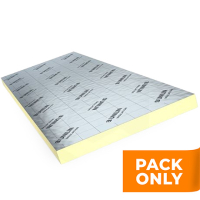 140mm PIR Insulation Board 2400mm x 1200mm (8' x 4')From £79.57 £66.31 £79.57 / 1 Sheet Inc VAT
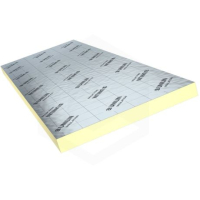 150mm PIR Insulation Board 2400mm x 1200mm (8' x 4')From £78.00 £65.00 £78.00 / 1 Sheet Inc VAT
PIR Insulation: What It Is & When It’s the Right Choice
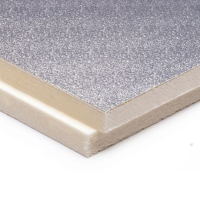
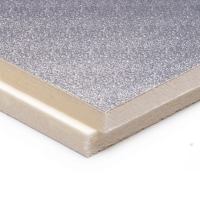
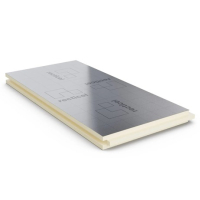
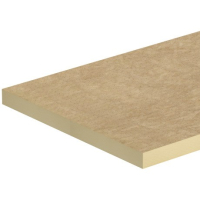
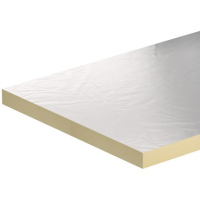
PIR insulation (polyisocyanurate) is a rigid insulation board used to improve thermal performance in floors, walls, roofs, and loft spaces. It’s a popular choice on UK building projects because it delivers efficient insulation in a relatively slim, easy-to-handle board. Many PIR insulation boards are foil-faced and designed to suit common construction build-ups.
When It’s the Right Choice
- You need high insulation performance without adding significant thickness to the build-up.
- You’re insulating floors, walls, roofs, or lofts and want a rigid, easy-to-fit board.
- You want a clean, flat finish that is easy to cut and install.
- You are upgrading a space where minimal thickness is essential.
- You’re matching a specific build-up and prefer to shop by thickness to suit the job.
Why Choose PIR Insulation Boards
- PIR insulation improves thermal performance without creating a bulky build-up, making it useful when space is limited.
- The rigid board format gives a clean, consistent insulation layer that’s easy to measure, cut, and fit neatly.
- A PIR insulation board is commonly used in floors, walls, roofs, and lofts across standard building and renovation jobs.
- Foil-faced options are compatible with standard construction build-ups and help achieve a neat finish when properly installed.
- A wide choice of thicknesses makes it easier to match the insulation to your build-up and project requirements.
- For both trade and DIY applications, rigid PIR insulation enables straightforward installation and consistent results on site.
Explore our full Insulation Boards range to compare different board types and choose the right option for your build-up.
PIR Insulation Thickness Guide: Shop by Thickness
PIR thickness depends on your available depth and the space you’ve got to work with. Thinner boards suit tight upgrades, while thicker boards are typically used in floor and roof build-ups where depth allows for higher insulation performance.
- 25mm PIR insulation - Best for tight tolerances and small upgrades: service voids, lining build-ups, and situations where you need a little extra performance without changing levels or details too much.
- 50mm PIR insulation - A common “all-rounder” for renovation work where you want a noticeable improvement but still need to keep the build-up sensible, especially on walls and certain floor build-ups.
- 75mm PIR insulation: Used when higher performance is needed and additional depth is available, suitable for floors and roofs requiring more than a basic upgrade.
- 100mm PIR insulation: A popular choice for floors and roofs where sufficient depth is available and a robust insulation layer is desired without complicating the build.
- 150mm PIR insulation - Used when you’ve got the space, and you’re targeting high insulation levels, commonly in roof and floor constructions where depth is less of a constraint and performance is the priority.
If you’re unsure which thickness fits your build-up, MGN Builders Merchants can help you determine the right thickness and choose the right PIR insulation boards for the job.
Where PIR Insulation Works Best
PIR insulation is most often chosen when you need a rigid board that fits neatly into a build-up and provides a clean, consistent insulation layer. It’s especially useful on jobs where you’re trying to improve thermal performance without making the overall construction unnecessarily thick, and where you want something straightforward to handle and install.
- Floors: PIR boards are commonly used in both solid and suspended floor build-ups to provide a uniform, flat layer that reduces heat loss. They are practical for installations around joists, services, or tight tolerances while maintaining a neat finish.
- Roofs - PIR roof insulation is widely used in pitched and flat roof build-ups, particularly when effective insulation within a controlled depth is required. The board format makes it easier to keep the layer consistent across the area, which helps achieve a clean, reliable installation.
- Walls - As PIR wall insulation, PIR boards suit many common wall build-ups where you want a straight, even layer behind a lining system or within a renovation upgrade. It’s often selected when you’re trying to improve warmth while keeping the room footprint and build-up as manageable as possible.
- Lofts - For PIR loft insulation, PIR is a good fit for loft upgrades and conversions where space can be limited, and access isn’t always perfect. The rigid board format helps you create a consistent insulation layer without relying on compressible materials, which can be useful when you want a neat, controlled result.
FAQs
What are PIR insulation boards?
PIR insulation boards are rigid panels used to reduce heat loss in floors, walls, roofs and lofts. They’re commonly used on UK projects because they offer strong insulation performance in a slim board that’s easy to handle and fit into typical build-ups. Many boards are foil-faced, which suits a lot of standard constructions.
What does PIR insulation stand for?
PIR stands for polyisocyanurate. It’s the name of the rigid foam insulation used inside the board. You’ll usually see it supplied in different thicknesses to suit different build-ups and applications.
What is PIR insulation made of?
PIR insulation is made from a polyisocyanurate rigid foam core with factory-applied facings, often foil. The facing can vary by product and intended use, so it’s worth checking the datasheet if you’re matching a specific build-up. The core delivers the insulation, while the facing supports installation within the system.
Why choose PIR insulation?
PIR is a practical choice when you want effective insulation without adding too much thickness to the construction. The rigid board format helps you keep the insulation layer consistent and tidy, especially across larger areas. It’s widely used for floors and roofs, and also suits many wall and loft upgrades.
How much PIR insulation do I need?
Measure the area you’re insulating in square metres, then choose boards that cover it with minimal waste. Always allow extra for cuts and offcuts, especially around joists, rafters, openings and services. As a practical guide, adding around 5-10% extra usually covers most jobs.
How do I cut PIR insulation?
Plan your board layout first, then mark cut lines clearly so joints land where you need them. Cut on a stable surface using a suitable saw or insulation cutting tool, and keep cuts square for a tight fit. If you need a snug fit, cut slightly oversize and trim back for a clean finish.