

Filters
Shopping Options
EPDM Rubber Roof Membranes
An EPDM rubber roof membrane is the main waterproof layer used to protect flat and low-pitched roofs from rain, moisture and weather damage. Suitable for extensions, garages, garden rooms and outbuildings, it provides a flexible and low-maintenance covering that helps create a clean, durable flat roof finish.
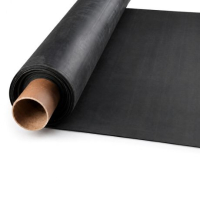

What Is an EPDM Rubber Roof Membrane?
An EPDM rubber roof membrane is a flexible waterproof sheet used to cover flat and low-pitched roofs. It forms the main protective layer of an EPDM rubber roofing system, helping to keep rainwater out while providing a durable surface for extensions, garages, garden rooms and outbuildings.
Where Rubber Roof Membranes Are Used
A rubber roof membrane is used where a roof needs reliable waterproofing without the weight or complexity of some traditional roof coverings. It is especially useful on flat roof areas where the surface must remain secure, flexible and resistant to changing weather.
Common uses include:
- House extensions – Used to create a watertight roof covering on rear extensions, side returns and single-storey additions. The membrane helps protect the structure while keeping the roof finish simple and practical.
- Garages and porches – Suitable for smaller flat roof areas where the covering must handle rain, temperature changes and regular exposure.
- Garden rooms and outbuildings – A good option for timber buildings, home offices and workshops where long-term weather protection is needed.
- Flat roof refurbishment – Often used when replacing older felt or worn roof coverings with a more flexible and lower-maintenance material.
- Light commercial roofs – Suitable for many small commercial roof areas where a practical waterproof layer is required.
Compared with roofing felt, an EPDM rubber roof membrane is usually chosen for better flexibility and longer-term performance. Felt can still be useful for some budget-led repairs, but EPDM is often preferred when the roof needs a stronger and more durable waterproof finish.
Choosing the Right EPDM Membrane for Your Flat Roof
Choosing the correct membrane starts with the roof size, shape and condition. A simple rectangular roof may only need one main sheet, while roofs with corners, outlets, upstands or wall junctions need more careful planning.
Before buying, it is important to measure the full roof area accurately, including any extra coverage needed for edges and upstands. The roof deck should be clean, dry, stable and suitable for bonding before the membrane is fitted. Membrane thickness should also be considered, as thicker options can offer stronger resistance on roofs that need more durability, while standard options may suit everyday domestic flat roof work.
Roof details such as corners, drainage points, trims and wall connections should be planned in advance to avoid issues during installation. It is also important to use compatible accessories, including adhesives, tapes and trims, so the membrane forms part of a complete and reliable EPDM roofing system.
For customers searching for EPDM rubber roofing supplies near me, the main aim should be to choose compatible products that work together. A membrane may form the main waterproof layer, but the final result depends on how well the full system is prepared, bonded and detailed.
Advantages and Limitations of EPDM Roof Membranes
An EPDM rubber roof membrane offers a strong balance of flexibility, waterproofing and low maintenance. It is designed to perform well on flat roofs where the material must cope with rain, temperature movement and regular outdoor exposure.
Main advantages include:
- Strong waterproof protection – The membrane creates a continuous surface that helps reduce the risk of leaks across the main roof area.
- Good flexibility – EPDM can handle normal roof movement and temperature changes better than some more rigid materials.
- Low maintenance – Once installed correctly, it generally needs only periodic checks around edges, outlets and joints.
- Suitable for different roof sizes – It can be used on small domestic roofs as well as larger flat roof projects.
- Works as part of a complete system – When paired with the right adhesives, tapes and trims, it supports a secure and professional roof finish.
There are also limitations to consider:
- Preparation is important – EPDM should not be fitted over a weak, damp or unstable surface.
- Details need care – Edges, outlets, corners and upstands must be sealed correctly to avoid weak points.
- Not every adhesive suits every area – The correct bonding product must be chosen for the roof deck, edges and vertical surfaces.
- Standing water should be avoided – A slight fall is still recommended so rainwater can drain away properly.
- Installation quality matters – Even good epdm rubber roofing products can underperform if the membrane is stretched, poorly bonded or badly detailed.
When comparing flat roof materials, EPDM sits between short-term repair products and more complex roof systems. It is chosen because the membrane, adhesives and accessories work together to create a reliable flat roof covering that is practical for both builders and homeowners.
FAQs
How do I choose the right EPDM rubber roof membrane size?
Measure the full roof area, then allow at least 150mm of extra membrane on each side for edges, upstands, overlaps, trims and final positioning. For example, if your flat roof measures 20m x 10m, the minimum recommended membrane size should be 20.3m x 10.3m. Choosing the correct EPDM rubber roof membrane size helps reduce waste and supports a cleaner, more accurate flat roof installation.
Can a rubber roof membrane be installed in one piece?
Yes, a rubber roof membrane can often be installed in one piece if the roof size matches the available roll width and length. A single-sheet installation can reduce the number of joints, but corners, outlets and wall junctions still need careful detailing.
Which one performs better: EPDM roof membrane vs GRP fibreglass roofing?
An EPDM rubber roof membrane usually performs better where flexibility and roof movement are important, as it can adapt to normal expansion and temperature changes. GRP fibreglass roofing creates a harder, rigid surface, which can suit some projects but may be less forgiving on roofs with movement or complex details.
Can EPDM rubber roofing handle foot traffic?
EPDM rubber roofing can handle light maintenance access, such as occasional inspections or clearing debris, but it is not designed as a regular walking surface. If the roof will be accessed often, suitable walkway pads or protection should be used to help prevent unnecessary wear or accidental damage to the membrane.
Is a 1.2mm EPDM rubber roof membrane suitable for domestic flat roofs?
Yes, a 1.2mm EPDM rubber roof membrane is suitable for many domestic flat roof projects, including extensions, garages, porches, garden rooms and outbuildings. It provides a practical balance of flexibility, strength and weather resistance for everyday flat roofing applications.
What accessories are needed with an EPDM rubber roof membrane?
An EPDM rubber roof membrane is normally installed with compatible adhesives, tapes, trims and detailing accessories. The membrane creates the main waterproof layer, while the accessories help secure edges, joints, outlets and detailed roof areas.