

Filters
Shopping Options
EPDM Adhesives & Primers
EPDM adhesives and primers help secure EPDM membranes to the roof deck, edges and detailed areas of a flat roof system. These products support strong bonding, cleaner detailing and a more reliable rubber roof installation when used with the correct membrane and accessories.

What Are EPDM Adhesives and Primers?
EPDM adhesives and primers are used to prepare, bond and secure EPDM rubber roofing systems. They help the membrane stick correctly to the roof deck, edges and detail areas, creating a stronger and more reliable flat roof installation.
Where It’s Best to Use EPDM Water-Based Roof Deck Adhesive vs EPDM Roof Primer
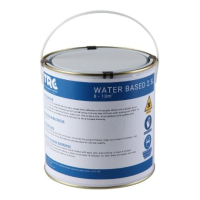
EPDM water based adhesive is best used across the main roof deck where the membrane needs to be bonded over a wide, flat surface. It is commonly used with an EPDM rubber roof membrane on suitable timber deck areas because it spreads easily and gives good coverage across larger roof sections.
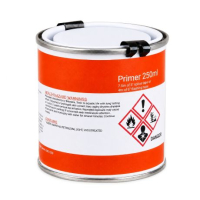
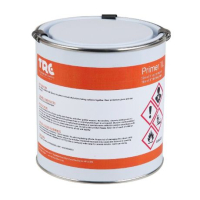
EPDM primer is used differently. It is not a general roof deck adhesive; it prepares specific areas before tapes, patches or detail products are applied. A primer helps improve adhesion around joints, corners, outlets and other sections where the bond needs to be especially secure.
In simple terms, use water-based adhesive for the main roof area and EPDM rubber primer for prepared detail points. Both products support the same roof system, but they do different jobs, so they should not be treated as direct replacements for each other.
Choosing the Right EPDM Adhesive for the Job
Choosing the right EPDM adhesive depends on where it will be applied and what part of the roof needs bonding. Large flat deck areas usually need a product that offers smooth coverage, while edges, upstands and vertical surfaces often require stronger grab and faster bonding.
Key product choices include:
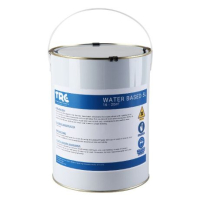
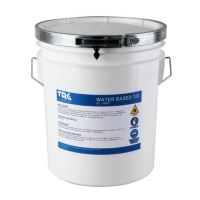
- Water-based adhesive – Best for bonding the membrane to suitable roof deck areas. It is useful for large flat sections where even coverage is important.
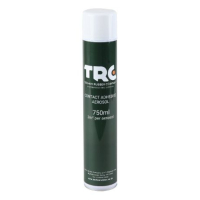
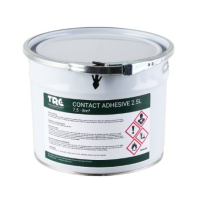
- EPDM contact adhesive – Better for edges, upstands and vertical areas where stronger immediate bonding is needed. It helps secure areas that are more exposed to movement or wind lift.
- EPDM primer – Used before tapes and detail accessories to improve adhesion. It is important around joints, corners and prepared repair areas.
- Rubber roof adhesive – A broader term for adhesives designed to work with EPDM membranes. The correct type should always match the surface and application area.
Using the wrong adhesive can lead to poor bonding, lifting or weak detail areas. For the best result, the adhesive should match the roof deck, membrane type and installation stage.
Advantages and Limitations of EPDM Adhesives and Primers
The main advantage of EPDM bonding products is that they help create a secure, watertight and professional roof finish. A good adhesive system supports the membrane across the main deck, while primers help strengthen detail areas where tapes or accessories are used.
There are also limitations to consider. The roof surface must be clean, dry and suitable before any adhesive or primer is applied. Some products are designed only for specific surfaces or installation areas, so a deck adhesive should not be used where a contact adhesive or primer is required.
Drying time, weather conditions and surface preparation also matter. If adhesive is applied too heavily, too thinly or in unsuitable conditions, the bond may not perform correctly. This is why builders often treat EPDM adhesives and primers as part of a complete system rather than separate add-on products. For related materials, you can also explore our GRP roofing systems category for a broader range of compatible flat roofing products.
FAQs
How much EPDM adhesive do I need for a flat roof?
The amount of EPDM adhesive needed depends on the roof size, surface type and coverage rate of the product. Rough or porous surfaces may require more adhesive than smooth roof decks, so it is important to check the manufacturer’s guidance before ordering.
Can EPDM adhesive be applied with a roller or brush?
Yes, many EPDM adhesive products can be applied with a suitable roller or brush, depending on the product type and the area being bonded. A roller is often useful for larger flat areas, while a brush can give better control around edges, corners and smaller detail sections.
Does EPDM primer need to dry before tape is applied?
Yes, EPDM primer should be allowed to dry correctly before tape or detail products are applied. If tape is fitted too early, the bond may be weak; if the primed area becomes dusty before application, it should be checked before continuing.
Can rubber roof adhesive be used in cold weather?
Rubber roof adhesive should only be used within the temperature range recommended by the manufacturer. Cold weather can slow drying and reduce bond strength, so the roof surface, adhesive and membrane should all be suitable for the conditions before work starts.
What happens if too much EPDM adhesive is applied?
Applying too much EPDM adhesive can slow drying time and may stop the membrane from bonding evenly. A heavy or uneven layer can also make installation harder, so the adhesive should be spread consistently according to the product instructions.
How should EPDM primer and adhesive be stored before use?
EPDM primer and adhesive should be stored in a dry, protected area away from extreme temperatures. Containers should remain sealed until use, as contamination, moisture or poor storage conditions can affect product performance.