

Filters
Shopping Options
2x2 Timber
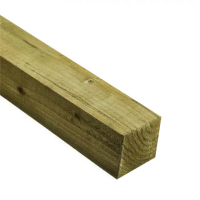 47mm x 50mm C16/C24 Treated Carcassing Timber (2" x 2")From £3.60 £3.00 As low as
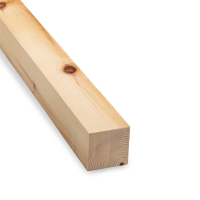
2x2 Timber: A Practical Size for Building and Joinery Work
2x2 timber is a versatile section for light framing, bracing, battens, support work, joinery and general timber construction. Its compact size makes it easy to handle, cut and fix, while still providing a practical section for many smaller building and woodworking tasks. Depending on the application, 2 by 2 timber can be selected in treated or planed options to suit different levels of protection, finish and appearance. When choosing 50mm x 50mm timber, consider the intended use, grade, treatment, finish and required length together rather than looking at size alone.
Common Uses for 2x2 Timber
The relatively small section of 2x2 wood makes it useful for jobs that need timber support or framework without the depth and weight of larger sections. The correct use depends on whether the timber is treated, planed or structurally graded.
Common applications include:
- Light framing – Useful for smaller frames and secondary timber structures.
- Bracing – Provides support within suitable timber frameworks.
- Battens – A practical section for suitable fixing and support work.
- Internal joinery – Planed timber gives a smoother finish for visible projects.
- Framework – Useful for smaller timber constructions and fitted features.
- Furniture and trims – PAR timber can be cut and finished for detailed woodworking.
Choose the timber specification to suit the environment as well as the size. 2x2 treated timber is suitable where added preservative protection is required, while planed timber provides a smoother finish for joinery and other work where appearance matters. For a wider choice of protected construction timber, explore the full range of treated timber.
Choosing the Right Length of 2x2 Timber
Choosing a suitable length can reduce waste, limit unnecessary joints and make cutting more efficient. The current MGN 2x2 range covers lengths from 2.4m to 4.8m, giving flexibility for both shorter components and longer continuous sections.
Before choosing a length, consider:
- Finished lengths – List the individual pieces required for the project.
- Continuous runs – Longer timber can reduce joins where one-piece sections are preferred.
- Cutting allowance – Leave enough material for accurate trimming.
- Offcuts – Plan shorter components around material left from longer cuts.
- Handling – Check that longer lengths can be transported and stored safely.
The longest available length is not automatically the most economical choice. A simple cutting plan can help determine which lengths of treated 2x2 timber or planed timber will produce the required pieces with the least unnecessary waste.
What to Check When Buying 2x2 Timber
The term 2x2 describes a size category, but timber within that category can differ in actual dimensions, treatment, surface finish and grade. These details are particularly important when an exact finished size or a particular type of timber is required.
Check the following before ordering:
- Finished dimensions – Do not rely on the nominal 2x2 description when an exact fit matters.
- Treatment – Decide whether the application requires treated or untreated timber.
- Surface finish – Choose construction timber or a smoother planed section to suit the job.
- Grade – For structural work, select the required grade; compare C16 timber where this specification suits the project.
- Environment – Confirm whether the timber is suitable for internal or external use.
- Length – Match available lengths to the planned cuts.
Customers searching for 50x50 treated timber should pay particular attention to the listed dimensions, as a treated 2x2 section may not finish at exactly 50mm x 50mm. Similarly, 2x2 PAR timber means planed all round; planing produces a smoother surface but can reduce the finished dimensions.
Planning Cuts and Quantities for 2x2 Timber
Working out the required quantity before ordering can reduce waste and avoid running short partway through a project. Start by listing every timber component and its required length, then compare those cuts with the stock lengths available.
A practical cutting plan should consider:
- Number of pieces – Count repeated components before calculating quantities.
- Saw cuts – Allow for the small amount of timber removed by the blade.
- End trimming – Keep enough extra length to square or clean up cut ends.
- Useful offcuts – Use leftover sections for shorter components where possible.
- Extra allowance – Include a sensible margin for cutting errors and site adjustments.
Try to group several required cuts into each stock length before calculating the final quantity. This makes better use of each piece of 2x2 timber, reduces unnecessary offcuts and helps avoid adding joints simply because the original timber was ordered too short.
FAQs
What is 2x2 timber in mm?
2x2 timber corresponds roughly to a nominal 50mm x 50mm section in metric terms. The traditional imperial name is still widely used even when the timber is sold using metric measurements. For accurate fitting or estimating, work from the dimensions stated on the individual timber rather than converting from inches.
What is 2x2 timber used for?
2x2 timber is useful when a compact timber section provides enough material for the job without the extra bulk of larger sizes. It is commonly chosen for smaller construction details, secondary supports and woodworking where space or finished proportions matter. Whether it is suitable ultimately depends on the required strength, exposure conditions and timber specification.
What is 2x2 timber?
2x2 timber is a commonly used trade description for timber with an approximately square cross-section based on the traditional two-inch size. The term describes the general size rather than one particular species, grade or treatment. This is why two products described as 2x2 can still differ considerably in finish and performance.
How much is 2x2 timber?
The cost of 2x2 timber varies according to length, timber type, treatment, grade and surface finish. A construction-grade treated length will not necessarily cost the same as a comparable planed joinery section. Check the current MGN listing for live prices because timber pricing and availability can change.
What lengths does 2x2 timber come in?
2x2 timber is supplied in several stock lengths so customers can match the material more closely to their project. The current MGN selection covers lengths between 2.4m and 4.8m, although the available lengths differ between timber types. Check the specific option before ordering if your project requires a particular continuous length.
Can 2x2 timber be painted or stained?
Yes, suitable 2x2 timber can normally be painted or stained once it is sufficiently dry and properly prepared. The preparation required can differ between treated, untreated and planed timber because coatings may absorb and adhere differently. Check that the chosen finish is compatible with any preservative treatment already present in the wood.
How can I prevent 2x2 timber from splitting when fixing?
Pilot drilling can reduce splitting when screws are positioned close to the end or edge of a timber section. Avoid oversized fixings and excessive tightening, as both can place unnecessary pressure on the wood fibres. Keeping fixings away from very short end distances also helps reduce the chance of the timber opening up.
How should 2x2 timber be stored before use?
Keep 2x2 timber flat, raised from the ground and supported at regular points along its length. Protect it from direct rain while maintaining airflow so moisture is not trapped around the wood. Timber intended for internal finished work should also be given time to adjust to the conditions where it will eventually be installed.