

Filters
Shopping Options
C16 Timber
Explore C16 timber for studwork, framing, carcassing, and other general structural building work. This range is supplied as treated timber, making it a practical choice where standard structural grading and added protection both matter. Suitable for a wide range of site and construction jobs, it offers a reliable option for everyday structural use.
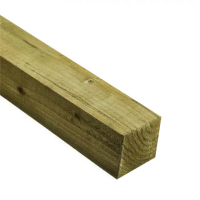 47mm x 50mm C16/C24 Treated Carcassing Timber (2" x 2")From £3.60 £3.00 As low as
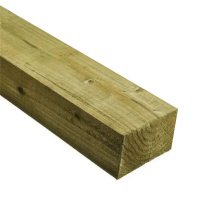 47mm x 75mm C16/C24 Treated Carcassing Timber (3" x 2")From £4.32 £3.60 As low as
What Is C16 Timber?
C16 timber is strength-graded structural softwood used for roof work, floor joists, stud walls, and general framing. The C16 classification means the timber meets the strength requirements for standard structural jobs where the specification does not call for C24. It is a practical choice on site for everyday carcassing and framing work where cost still matters.
How Is C16 Timber Used in Structural Applications?
Timber C16 is commonly used where a standard structural grade is needed for general building work. On UK sites, it is regularly used in roof timbers, floor structures, stud partitions, and routine carcassing across extensions, refurbishments, and new-build work. C16 graded timber is often chosen when the job needs reliable structural softwood without stepping up to a higher grade.
- Roof work – for rafters and other roof timbers in standard pitched roof construction.
- Floor joists – where the timber supports the floor build-up and everyday loading.
- Stud walls and framing – where the timber forms part of the structure itself.
- General carcassing – for routine framing work across a wide range of site jobs.
- Standard structural builds – where graded timber is needed for general construction work.
Common C16 Timber Sizes
C16 timber sizes vary depending on the job, but 2x2 and 3x2 are common options for lighter structural and framing work. These sections are often used where full joist or rafter sizes are not needed, but the timber still needs to be graded for structural use. The right choice depends on the build, the load, and how the timber will be fixed and supported.
- 2x2 C16 timber – often used for light framing, battens, bracing, and smaller carcassing jobs where a compact section is enough.
- 3x2 C16 timber – a more substantial option for studwork, framing, and general construction work where extra strength and depth are needed.
When Treated C16 Timber Is the Right Choice
C16 treated timber is the right choice when structural softwood also needs protection against moisture and normal site exposure. It is often used in roof, floor, and framing applications where the timber may be stored outside, exposed during installation, or used in parts of the build where damp is a risk. For external or higher-risk use, C16 treated timber should always be matched to the end application and required treatment level.
- External framing – where the timber will be used outside or in more exposed parts of the build.
- Roof and floor timbers – where treated structural timber is preferred for added durability.
- Studwork and carcassing – where there is a risk of moisture during construction.
- Damp-prone areas – where untreated timber may be less reliable over time.
- General building work – where you need practical structural softwood that is both graded and treated.
FAQs
What Is the Difference Between C16 and C24 Timber?
C16 and C24 are both structural timber grades, but C24 is graded to a higher strength class. In practice, C16 is commonly used for general construction, while C24 is more often chosen where the timber needs to carry heavier loads or span further. That is why C24 is typically used for more demanding structural work.
Which Is Stronger, C16 or C24 Timber?
C24 is the stronger grade. The grade number reflects the timber’s strength class, so C24 is used where more strength and stiffness are needed than standard C16 can provide. On site, it is often chosen for jobs where the timber has more work to do.
Can Treated C16 Timber Be Used Outside?
Treated C16 timber can be used in many outdoor and exposed applications, as long as the treatment is suitable for the conditions. It is often chosen where the timber needs structural grading as well as protection against moisture. For more exposed use, it is always worth checking that the timber is suitable for the end application.
Is C16 Timber Used for Floor Joists and Roof Timbers?
Yes, C16 timber is often used for floor joists, rafters, and other structural framing work. It is a common choice for standard building jobs where the required strength level does not call for C24. The correct size and span should still be matched to the job and its loading requirements.
Is C16 Timber Good for Stud Walls and Framing?
Yes, C16 timber is widely used for stud walls, framing, and general carcassing. It suits many standard structural applications where graded softwood is needed for reliable day-to-day building work. It is often chosen as a practical option where cost and performance both matter.