

Filters
Shopping Options
Timber By Size
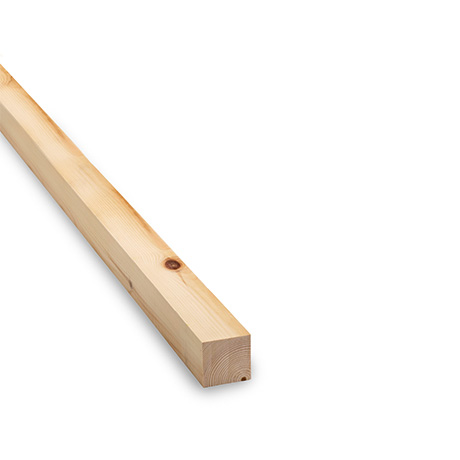
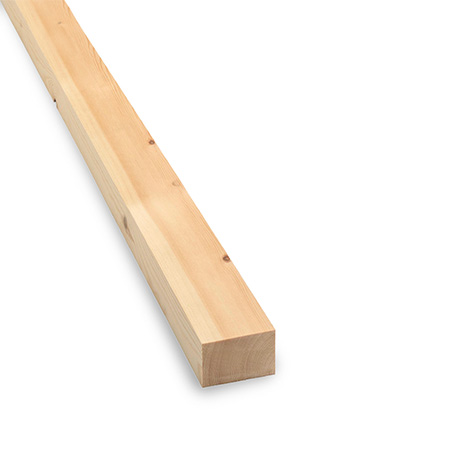
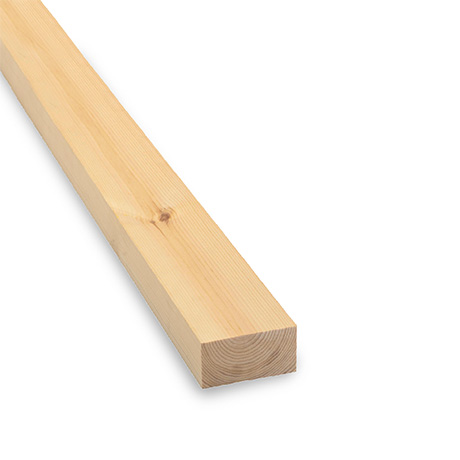
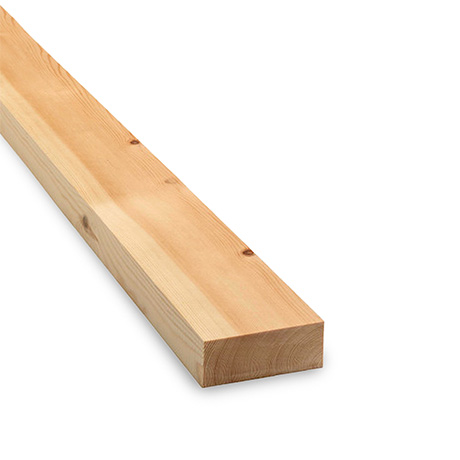
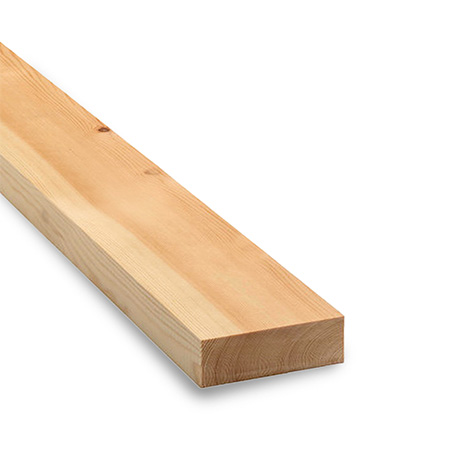
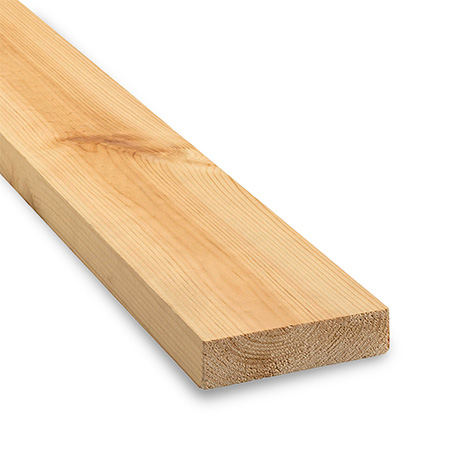
 47mm x 150mm C24 Treated Carcassing Timber (6" x 2")From £11.34 £9.45 As low as
 47mm x 50mm C16/C24 Treated Carcassing Timber (2" x 2")From £3.60 £3.00 As low as
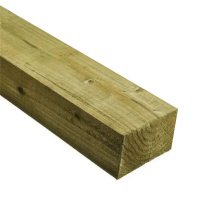 47mm x 75mm C16/C24 Treated Carcassing Timber (3" x 2")From £4.32 £3.60 As low as
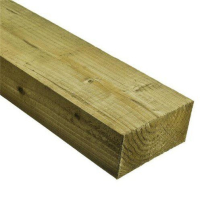 47mm x 100mm C24 Treated Carcassing Timber (4" x 2")-£0.86From £4.75 £3.96 As low as From £5.62 £4.68 Regular Price
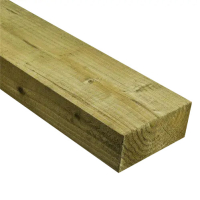 47mm x 125mm C24 Treated Carcassing Timber (5" x 2")-£0.36From £9.90 £8.25 As low as From £10.26 £8.55 Regular Price
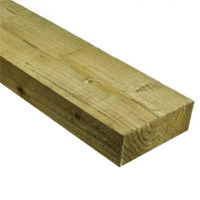 47mm x 200mm C24 Treated Carcassing Timber (8" x 2")From £16.85 £14.04 As low as
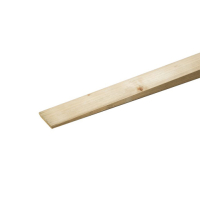 47mm x 150mm to 0mm Treated Timber Firring (6" x 2")From £27.00 £22.50 As low as
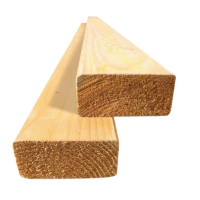
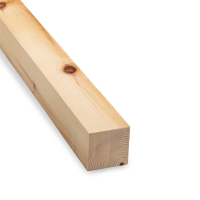
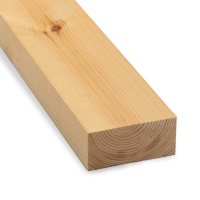
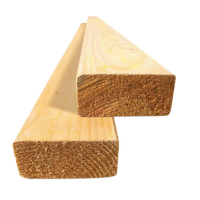
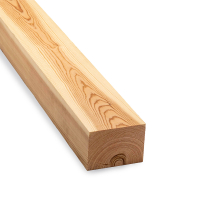
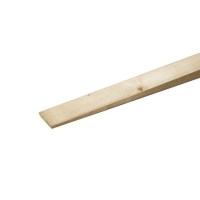
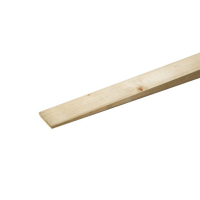 47mm x 100mm to 0mm Treated Timber Firring (4" x 2")From £12.10 £10.08 As low as

Timber Sizes for Building and Joinery Projects
The timber sizes available from MGN Builders Merchants cover several different construction and joinery requirements. The range includes treated carcassing for specified building work, CLS for internal framing, PAR redwood for smooth-finished joinery and tapered firrings for forming flat-roof falls.
Choose the timber type before selecting its nominal size. Products sharing the same imperial size may have different finished sections, grades, treatments and profiles, so they should not be treated as interchangeable.
Understanding Timber Sizes at MGN Builders Merchants
The timber sizes UK builders commonly use are nominal trade descriptions rather than guaranteed finished measurements. Drying and machining can reduce the section, while carcassing, CLS and PAR timber carrying the same nominal label may have different finished timber dimensions.
Use the live listings to confirm the actual section required for setting out, matching existing timber and choosing compatible components. The available size categories are:
These links group products by nominal size; they do not confirm structural suitability or finished measurements.
Choosing the Right Timber Type
Treated Carcassing Timber
Choose treated carcassing timber for specified structural and general construction applications. Confirm the section, declared grade, treatment and intended exposure rather than assuming every carcassing size offers the same performance.
CLS Timber
CLS has a smaller finished profile with planed faces and eased edges. It is commonly selected for internal stud walls, partitions and framing where its finished dimensions and declared grade meet the construction requirements.
PAR Redwood Timber
PAR redwood provides a smooth, square-edged finish for internal joinery, shelving, furniture and other work where appearance matters. Do not substitute standard-grade PAR for structurally graded carcassing simply because their nominal sizes appear similar.
Timber Firrings
Timber firrings are tapered rather than rectangular. They are used to form a specified fall on flat roofs so water can drain towards the intended outlet, and should not be selected as ordinary framing members.
Timber Features to Check Before Buying
Compare these attributes before ordering:
- Finished section: Use the stated metric measurements for setting out and fitting.
- Strength grade: If C16 or C24 is specified, confirm the declared grade on the listing.
- Structural suitability: Size alone does not determine allowable span, load or support centres.
- Treatment: Match treated or untreated timber to the intended environment and construction.
- Surface profile: Choose carcassing, eased-edge CLS, smooth PAR or tapered firrings according to the job.
- Moisture condition: Check whether kiln-dried timber is required for improved dimensional stability.
For projects specifically requiring the higher declared grade, compare the live C24 timber range. Treatment improves durability but does not make timber waterproof or suitable for every external or ground-contact application. Where cut-end protection is required, select a compatible product from our wood preservatives and treatments range.
Planning Timber Lengths, Quantities and Compatible Materials
Prepare a cutting schedule before selecting from the currently available lengths. Allow for saw cuts, end trimming and reasonable waste, while also considering storage, unloading and site access. Stock length does not determine the safe span of a structural member.
For supported timber connections, compare joist hangers and connectors and select them according to the connection design, supporting material, load capacity and specified fasteners.
Where the construction requires structural flooring, roof decking or sheathing, explore our OSB boards and confirm the required grade, thickness and edge profile.
Order Timber by Size from MGN Builders Merchants
Compare current prices, finished dimensions, grades, treatments and selectable lengths in the live listings before ordering. MGN Builders Merchants supplies timber for delivery across London, Essex, Kent and the South East; enter your postcode to check delivery availability, or choose Click & Collect at checkout.
FAQs
What size timber do I need for a stud wall?
Timber around 3x2 or 4x2 is commonly used for internal stud walls, depending on the required wall depth and construction. Larger sections can provide additional space for insulation, services and stronger framing where needed. Always choose the timber size to suit the wall height, spacing and any structural requirements.
What size timber should I use for a decking frame?
4x2, 6x2 and other structural timber sizes can be used for decking frames depending on the span and expected loading. Deeper timber sections are generally required where joists need to span greater distances or support heavier decking structures. Joist spacing, support locations and timber grade should all be considered before selecting a size.
What do timber sizes like 3x2, 4x2 and 6x2 mean in millimetres?
Traditional timber sizes are usually expressed as nominal dimensions, with 3x2 approximately 75 x 50mm, 4x2 approximately 100 x 50mm and 6x2 approximately 150 x 50mm. The actual finished dimensions can be smaller after the timber has been sawn, planed or processed. Always check the stated product dimensions when an exact finished size is required.
What size timber should I use for a shed frame or shed base?
The appropriate size depends on the size of the shed, the spacing between supports and whether the timber is being used for walls, floors or the base. Smaller sections such as 3x2 or 4x2 are commonly used for framing, while larger sections may be required for floor joists or heavily loaded bases. Timber used close to the ground should also be suitable for the expected moisture exposure.
What does finished size mean when buying timber?
The finished size is the actual measurement of the timber after manufacturing processes such as planing or regularising. It can therefore be smaller than the traditional nominal size used to describe the timber, such as 4x2 or 6x2. Check the product specification when precise dimensions are important for joints, framing or replacement work.
What timber size should I use for floor joists or roof rafters?
There is no single timber size suitable for every floor joist or roof rafter because the required section depends on span, spacing, load and timber strength grade. Larger or deeper sections are normally needed as the unsupported span or design load increases. For structural work, the required size should be confirmed against the project design or appropriate span guidance before installation.