

Filters
Shopping Options
Monocouche Render
Monocouche render is a coloured exterior wall finish for brickwork, blockwork and suitable masonry surfaces. It gives buildings a durable, clean finish without the need for painting after application.
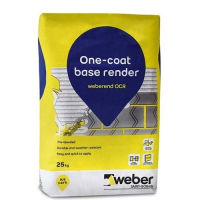
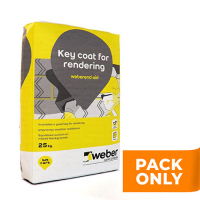
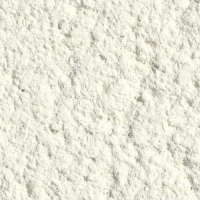
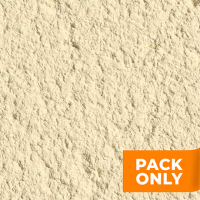
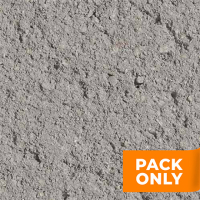
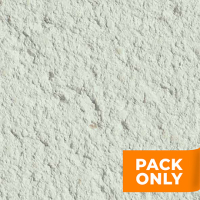
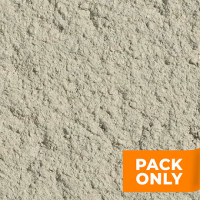
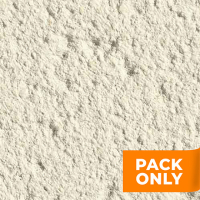

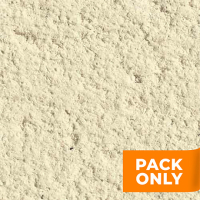
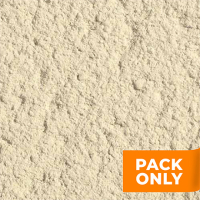
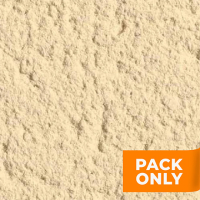
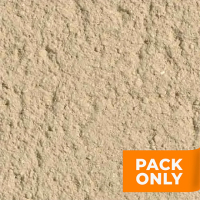
Monocouche Render for Durable Exterior Wall Finishes
Monocouche render is a practical choice for creating a durable, decorative finish on external walls. This type of through coloured render is designed for brickwork, blockwork and suitable masonry backgrounds, giving builders a clean finish without the need for painting after application. At MGN Builders Merchants, we supply Weber render options for trade and DIY projects across London and the South East.
Spray Applied or Hand Applied Render: What to Consider
Monocouche rendering can be applied by hand or by machine, depending on the size of the project, site access and the finish required. For larger exterior wall render jobs, spray applied render can help speed up installation, while hand applied render is often suitable for smaller areas, patching, garden walls and controlled detailing.
- Project size – Spray application is usually better for larger elevations where speed and consistency matter. Hand application is often easier for smaller areas or detailed sections.
- Site access – Machine applied render needs suitable space for equipment, materials and cleaning down. Hand application can be more flexible on tighter sites.
- Finish control – A scraped render finish needs careful timing and even application depth. This helps achieve a consistent texture across the wall.
- Labour planning – Spray applied render can reduce time on larger jobs, but it still needs skilled preparation, ruling, scraping and finishing.
- Material planning – Render bags should be calculated from wall area, application thickness and waste allowance. Always check coverage before estimating the monocouche render price per bag.
Whether the job is spray applied or hand applied, good preparation is essential for a strong, clean and long-lasting coloured render finish.
Comparing Monocouche Render with Silicone Render
Monocouche render and silicone render are both used for exterior wall finishes, but they are not the same system. Monocouche render is a through coloured render applied as a thicker render coat, often finished with a scraped or roughcast texture. It is a strong choice for new build and refurbishment work where builders want a coloured finish directly from the render itself.
Silicone render is usually used as a thin coat finish over a suitable basecoat system. It is often chosen where flexibility, water repellence and a finer textured finish are required. For customers comparing both systems, monocouche render is often the better choice for a traditional rendered masonry finish, while silicone render is commonly used as part of modern external wall insulation or thin coat render systems.
Advantages and Disadvantages of Monocouche Render
One of the main advantages of monocouche render is that the colour runs through the material, helping reduce the need for painting after the wall is finished. It also gives builders a choice of monocouche render colours, including neutral, grey, cream and warmer tones for different property styles. When applied correctly, it provides a weather resistant render finish suitable for exposed exterior walls. For related materials, explore our wider plastering and drylining range.
The main disadvantage is that monocouche render must be applied to a suitable background and finished at the correct time to achieve a consistent result. Poor preparation, uneven suction, incorrect thickness or bad weather during application can affect the final appearance. Builders should also remember that coloured render bags can vary slightly between batches, so enough material should be ordered for the full elevation wherever possible.
FAQs
How to clean monocouche render?
Monocouche render can usually be cleaned with clean water, a soft brush and gentle washing to remove dirt, algae or surface staining. Avoid harsh scrubbing or aggressive pressure washing, as this can damage the render face or change the appearance of the finish.
Can you paint monocouche render?
Yes, monocouche render can be painted, but it is normally designed as a through-coloured finish, so painting is not usually needed straight after application. If the render is old, stained or being refreshed, use a suitable breathable exterior masonry paint and make sure the surface is clean, dry and properly prepared first.
How much is monocouche render per m²?
The material cost per m² depends on the bag price, coverage and application thickness. As a simple guide, divide the price of one render bag by the coverage per bag to estimate the material cost per m² before labour, beads, mesh, primer, waste and delivery.
How much does monocouche render cost?
The full cost of monocouche render depends on wall size, access, preparation work, scaffolding, finish type and labour. Installed monocouche rendering is usually priced per square metre, so larger or more complex elevations will cost more than simple, flat wall areas.
How long does monocouche render take to dry?
Monocouche render is usually ready for scraping once it has hardened enough, often within several hours depending on weather, suction and site conditions. Cold, damp or shaded areas can slow the drying time, so the render should not be rushed before finishing.
How to repair monocouche render?
Small cracks or damaged areas in monocouche render can be repaired by cutting out the loose material, preparing the area and filling it with a compatible repair render. Colour and texture matching can be difficult, especially on older walls, so larger or highly visible repairs are best handled by an experienced renderer.