

Filters
Shopping Options
Tile Backer Boards
Tile backer boards provide a stable, moisture-resistant surface for tiling walls and floors. Available in cement-based and insulated options, they can suit bathrooms, wet rooms, underfloor heating systems and general renovation work. The correct board should be selected according to the substrate, required thickness, tile load and waterproofing needs.


What Are Tile Backer Boards?
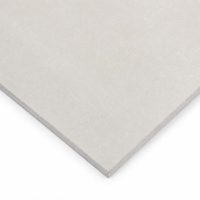
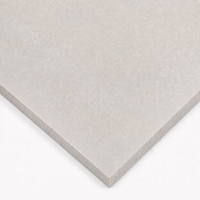
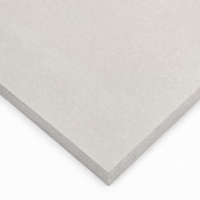
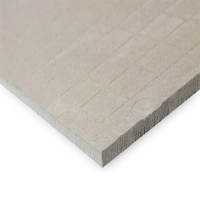
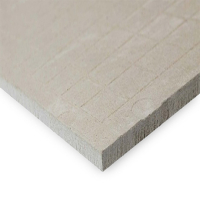
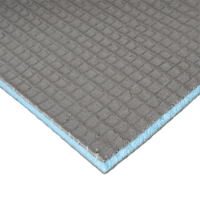
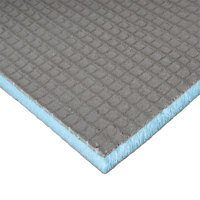
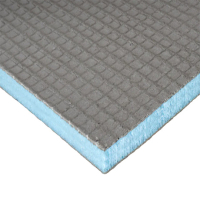
Tile backer boards are rigid panels installed beneath tiles to create a stable, level and moisture-resistant surface. They are used on suitable walls and floors where plasterboard, plywood or other backgrounds may not provide enough durability for the planned tiled finish. The range includes fibre-cement and insulated boards, allowing builders and experienced DIY users to choose according to the substrate, room conditions and required build-up.
Choosing Tile Backer Boards for Walls and Floors
The correct board depends on the supporting surface, tile weight, fixing method and finished floor or wall level. A tile backer board for walls must provide a secure tiling surface, while a tile backer board for floors must be fully supported to help limit movement beneath the tiles.
Common applications include:
- Bathroom walls – Provide a more durable tiling background in areas exposed to regular humidity.
- Shower surrounds – Suitable when installed as part of a correctly sealed waterproofing system.
- Timber floors – Help create a firmer and more consistent surface over a suitable subfloor.
- Masonry walls – Can provide a flat base where the existing surface is uneven or unsuitable for direct tiling.
- Kitchen splashbacks – Offer a reliable backing behind tiles near sinks and worktops.
- Renovation work – Useful when replacing weak, damaged or moisture-sensitive backgrounds before retiling.
Backer boards for tiles will not correct structural movement, loose floors or active damp. The supporting wall or floor must be sound, stable and properly prepared before installation.
Cement Backer Board vs Insulated Tile Backer Board
A cement backer board is made from cement and reinforcing fibres, creating a dense and rigid tiling surface. The fibre-cement boards in this range provide a water-resistant and non-combustible background when fitted as part of the correct system.
Insulated tile backer boards use a lightweight insulation core with reinforced surface layers. They provide a tile-ready base while helping reduce heat loss through walls or floors, making them useful around underfloor heating and on colder backgrounds.
Choose between them according to the project:
- Cement boards – Suitable where rigidity, impact resistance and support for heavier tiled finishes are important.
- Insulated boards – Useful where lower weight, easier handling and thermal separation are priorities.
- Heavy wall tiles – Cement tile backer boards provide a strong base when fixed to an adequate supporting structure.
- Underfloor heating – Insulated boards can help reduce downward heat loss and improve heat transfer towards the tiled surface.
- Restricted build-up – Thinner boards help minimise changes to finished floor or wall levels.
- Direct wet areas – Both board types require correctly treated joints, fixings and penetrations as part of the waterproofing system.
Choosing Between 6mm, 12mm and 20mm Boards
Board thickness should be selected according to the installation area, supporting surface and required rigidity.
- 6mm tile backer boards – Commonly used over suitable floors or firm existing surfaces where keeping the build-up low is important.
- 12mm tile backer boards – Often selected for framed walls or installations requiring a more substantial and rigid backing.
- 20mm insulated boards – Suitable where additional thermal separation or a deeper insulated build-up is required.
The 6mm and 12mm fibre-cement boards measure 1200 × 800mm and cover 0.96m² per sheet. Insulated boards use a different sheet format, so quantities should be calculated from the exact dimensions shown on the selected product page, with an allowance for cuts and waste.
Tile Backer Boards for Bathrooms, Wet Rooms and Underfloor Heating
Bathroom tile backer boards are designed to provide a more reliable tiling background than moisture-sensitive materials. They resist the effects of moisture more effectively, but they should not be treated as a complete waterproofing system by themselves.
For showers and wet rooms, pay particular attention to:
- Board joints
- Internal and external corners
- Screw heads and fixings
- Pipe and valve penetrations
- Changes between wall and floor surfaces
- Compatible tapes, membranes and tanking products
For underfloor heating, insulated tile backing boards can help reduce heat loss into the subfloor. The boards must be fully supported and securely fixed so movement does not damage the tile adhesive, grout or finished tiles.
Tile Backer Board vs Moisture Resistant Plasterboard
Tile backer boards and moisture resistant plasterboard are intended for different levels of exposure and tile loading. Moisture-resistant plasterboard can suit humid internal areas, but it is not waterproof and may not be the best choice for direct wet zones, floors or heavier tiles.
Cement tile backer boards provide a denser and more durable tiling surface when correctly installed. They are commonly chosen for shower areas, wet rooms, floor tiling and wall applications requiring a stronger backing.
Moisture-resistant plasterboard may remain suitable for non-wet bathroom walls and lighter tiled finishes where the complete system permits it. For direct water exposure, demanding floor installations or heavier tiles, suitable backer boards normally provide the more dependable substrate.
FAQs
What is cement backer board used for?
Cement backer board is used beneath tiles where a stronger and more moisture-resistant base is needed than standard plasterboard or untreated timber. It is commonly installed on suitable walls, floors and areas exposed to regular splashes or humidity. The board supports the tiled finish but does not replace the structural wall or floor beneath it.
How do you use tile backer boards?
Start by choosing a board suitable for the surface, tile type and expected moisture level. Plan the layout to minimise narrow cuts and position the boards according to the selected installation system. Once fixed and prepared, the surface can receive compatible tile adhesive and tiles.
What are tile backer boards?
Tile backer boards are purpose-made substrates designed to remain more stable beneath tiles than ordinary plasterboard or untreated timber. Their surface is suitable for compatible tile adhesives and helps reduce movement that could affect grout or tiles. Different types are available for walls, floors and installations requiring additional insulation.
How do you fix tile backer boards?
The fixing method depends on the board type and whether it is fitted to masonry, framing or a floor. Some installations use screws, others use adhesive, and some require both to provide continuous support. Fixings should sit flush, edges must be supported and the board surface should not be damaged.
Can you plaster tile backer board?
Tile backer boards are primarily designed for tiling rather than general plaster finishes. Plaster should only be applied where the board manufacturer approves the chosen primer, base coat or reinforcing system. Applying an incompatible finish can lead to poor adhesion or cracking.
How do you fix 6mm tile backer board?
A 6mm board should be installed over a firm, level and fully supported background. On suitable floors, it may require a full bed of compatible adhesive followed by mechanical fixings at the specified centres. It should not be used to bridge movement, uneven boards or unsupported gaps.
How do you install cement backer board?
Set out the boards so joints are arranged according to the installation guidance and avoid aligning several joints at one point. Cut the sheets with suitable dust control and PPE, then fix them securely to the prepared substrate. Treat joints, corners and penetrations with compatible materials before tiling.