

Filters
Shopping Options
Stone Effect Tiles
Explore stone effect tiles for interior walls and floors, with porcelain options that recreate the appearance of natural stone in a practical tiled finish. Our stone effect floor tiles and stone effect wall tiles are suited to kitchens, bathrooms and other interior spaces, with different sizes and a matt finish available across the range. Shop stone effect porcelain tiles at MGN Builders Merchants for a durable, easy-to-maintain finish.
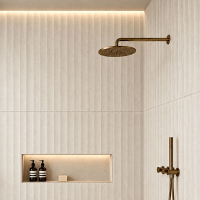 Portland Blanco Decor White Stone Effect Matt Porcelain Wall & Floor Tile 600 x 1200mmFrom £0.00 £51.21 £42.68 / 1 m² Inc VAT From
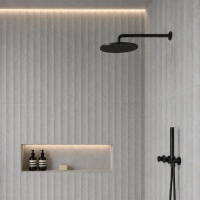 Portland Perla Decor Grey Stone Effect Matt Porcelain Wall & Floor Tile 600 x 1200mmFrom £0.00 £51.21 £42.68 / 1 m² Inc VAT From
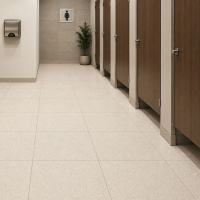 Salt & Pepper Beige Stone Effect Matt Porcelain Wall & Floor Tile 600 x 600mmFrom £0.00 £30.04 £33.38 / 1 m² Inc VAT From
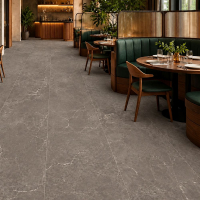 Tenby Anthracite Stone Effect Matt Porcelain Wall & Floor Tile 595 x 1200mmFrom £0.00 £41.70 £35.24 / 1 m² Inc VAT From
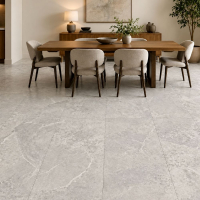 Tenby Grey Stone Effect Matt Porcelain Wall & Floor Tile 595 x 1200mmFrom £0.00 £41.70 £35.04 / 1 m² Inc VAT From
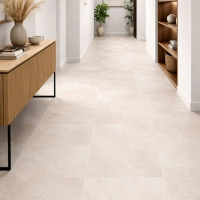 Tenby White Stone Effect Matt Porcelain Wall & Floor Tile 595 x 1200mmFrom £0.00 £41.70 £35.04 / 1 m² Inc VAT From
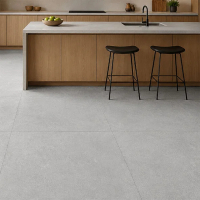 Portland Perla Grey Stone Effect Matt Porcelain Wall & Floor Tile 1200 x 1200mmFrom £0.00 £62.37 £51.98 / 1 m² Inc VAT From
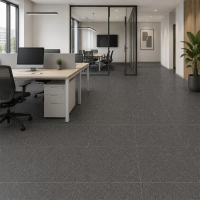 Salt & Pepper Black Stone Effect Matt Porcelain Wall & Floor Tile 600 x 600mmFrom £0.00 £40.05 £33.38 / 1 m² Inc VAT From
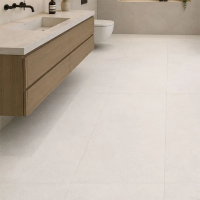 Portland Blanco White Stone Effect Matt Porcelain Wall & Floor Tile 600 x 1200mmFrom £0.00 £42.28 £35.23 / 1 m² Inc VAT From
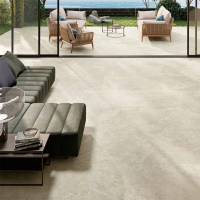 Tenby Beige Stone Effect Matt Porcelain Wall & Floor Tile 595 x 1200mmFrom £0.00 £41.70 £35.04 / 1 m² Inc VAT From
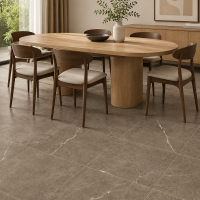 Miller Natural Brown Stone Effect Matt Porcelain Wall & Floor Tile 600 x 600mmFrom £0.00 £38.38 £32.53 / 1 m² Inc VAT From
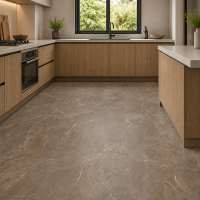 Miller Natural Brown Stone Effect Matt Porcelain Wall & Floor Tile 600 x 1200mmFrom £0.00 £38.38 £32.25 / 1 m² Inc VAT From
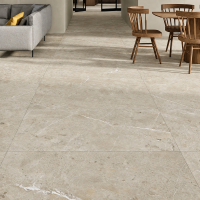 Miller Beige Stone Effect Matt Porcelain Wall & Floor Tile 600 x 1200mmFrom £0.00 £43.87 £36.87 / 1 m² Inc VAT From
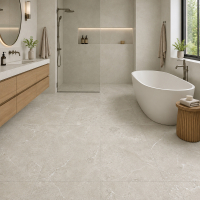 Miller Beige Stone Effect Matt Porcelain Wall & Floor Tile 600 x 600mmFrom £0.00 £43.87 £37.18 / 1 m² Inc VAT From
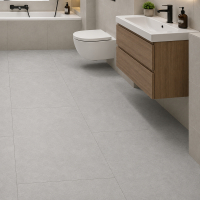 Portland Perla Grey Stone Effect Matt Porcelain Wall & Floor Tile 600 x 1200mmFrom £0.00 £42.28 £35.23 / 1 m² Inc VAT From
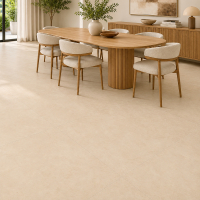 Borgogna Stone Natural Beige Stone Effect Matt Porcelain Wall & Floor Tile 1200 x 1200mmFrom £0.00 £116.42 £48.51 / 1 m² Inc VAT From
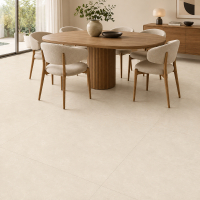 Borgogna Stone Bone Beige Stone Effect Matt Porcelain Wall & Floor Tile 1200 x 1200mmFrom £0.00 £53.20 £44.33 / 1 m² Inc VAT From
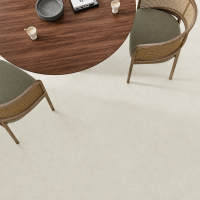 Lux Cem White Stone Effect Matt Porcelain Wall & Floor Tile 1200 x 1200mmFrom £0.00 £58.20 £48.50 / 1 m² Inc VAT From
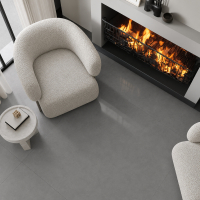 Lux Cem Cemento Grey Stone Effect Matt Porcelain Wall & Floor Tile 1200 x 1200mmFrom £0.00 £58.20 £48.50 / 1 m² Inc VAT From
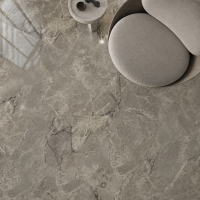 Fiori Di Bosco Grey Stone Effect Polished Porcelain Wall & Floor Tile 1200 x 1200mmFrom £0.00 £69.87 £58.23 / 1 m² Inc VAT From
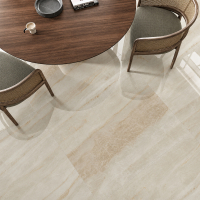 Taj Mahal Beige Stone Effect Polished Porcelain Wall & Floor Tile 1200 x 1200mmFrom £0.00 £69.87 £58.23 / 1 m² Inc VAT From
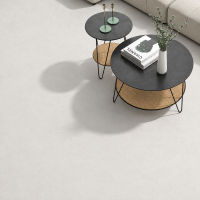 Portland Blanco White Stone Effect Matt Porcelain Wall & Floor Tile 600 x 600mmFrom £0.00 £47.28 £31.52 / 1 m² Inc VAT From
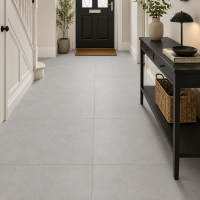 Portland Perla Grey Stone Effect Matt Porcelain Wall & Floor Tile 600 x 600mmFrom £0.00 £47.28 From
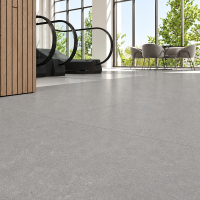 Betonico Grey Stone Effect Matt Porcelain Wall & Floor Tile 600 x 600mmFrom £0.00 £38.50 £32.08 / 1 m² Inc VAT From
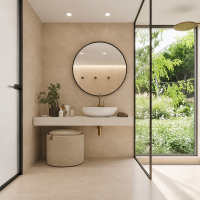 Betonico Dark Beige Stone Effect Matt Porcelain Wall & Floor Tile 600 x 600mmFrom £0.00 £38.50 £32.08 / 1 m² Inc VAT From
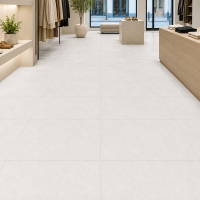 Betonico White Grey Stone Effect Matt Porcelain Wall & Floor Tile 600 x 600mmFrom £0.00 £38.50 £32.08 / 1 m² Inc VAT From
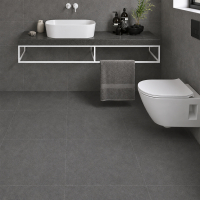 Betonico Black Stone Effect Matt Porcelain Wall & Floor Tile 600 x 600mmFrom £0.00 £38.50 £32.08 / 1 m² Inc VAT From

Choosing Stone Effect Tiles for Walls, Floors & Feature Areas
Stone effect tiles recreate the tonal variation and mineral character of natural stone in a porcelain surface designed for interior tiling. The range is suitable for both walls and floors, allowing the same design to continue through bathrooms, kitchens, hallways and living areas or to be used selectively for feature surfaces. All options have a matt finish and rectified edges, so the main buying decisions come down to colour, format, layout and the performance required from the finished floor. When comparing stone effect wall tiles and floor applications, consider how the tile will work across the whole room rather than choosing by appearance alone.
Understanding Slip Resistance for Floor Areas
Slip resistance becomes particularly important when selecting stone effect floor tiles, because appearance alone does not indicate how a tile performs underfoot. R classifications are based on tested slip resistance, with higher ratings representing increased resistance under the relevant test conditions.
The exact rating should therefore be checked for the individual tile rather than assumed from its matt finish or stone-look texture. This is particularly important where the floor will be exposed to moisture, regular foot traffic or other conditions that make slip performance a key part of the specification.
Stone Effect Porcelain Tiles vs Natural Stone: What Changes in Practice?
Natural stone and stone effect porcelain tiles can create a similar visual direction, but they achieve it in different ways. Natural stone is quarried material, so colour, pattern and surface variation occur naturally, whereas porcelain is manufactured to reproduce a controlled stone-inspired appearance.
For a tiled project, the practical distinction is mainly about consistency and planning:
- Stone effect porcelain – Manufactured dimensions and controlled visual variation make the layout easier to plan consistently.
- Natural stone – Natural differences between pieces form part of the finished character.
- Rectified porcelain – Precisely finished edges support accurate alignment and consistent joints.
If stronger veining and a more pronounced marble character are preferred, compare the Marble Effect Tiles range instead.
Large Format vs Standard Tiles: How Size Changes the Finished Space
Tile size affects far more than the amount of surface each piece covers. Larger rectangular stone look tiles create fewer joints across a given area and can give the layout a stronger directional flow, while square formats produce a more regular, balanced grid.
- Larger rectangular formats – Reduce the number of joints and create longer visual lines.
- Square formats – Produce a more symmetrical layout across the surface.
- Wall installations – Format and orientation can influence how wide or tall the tiled area appears.
- Floor installations – Room dimensions, perimeter cuts and fixed features should be considered before the laying pattern is decided.
Planning the layout before fixing begins also makes it easier to position cuts and maintain consistent joints. Suitable Tiling Accessories can help control spacing and alignment during installation.
Complete the Installation with the Right Adhesive, Grout & Preparation
The performance of stone effect wall and floor tiles also depends on what sits beneath them. The background should be sound, stable and suitable for tiling, while the adhesive must be compatible with porcelain, the substrate, tile format and intended application. Choose the fixing system from the Tile Adhesives range according to the requirements of the project.
Where additional substrate preparation is required, suitable Tile Backer Boards can provide a dedicated tiling surface when specified for the installation. Grout colour should be chosen with the layout in mind: a closely matched tone makes the joints less dominant, while greater contrast gives the individual tile format more definition.
FAQs
What are stone effect tiles?
Stone effect tiles are manufactured tiles designed to recreate the appearance of natural stone through colour, veining and surface detail. Porcelain versions provide the visual character of stone without being cut directly from natural stone. They are commonly used where a consistent stone-style finish is wanted across interior walls or floors.
Are stone effect tiles suitable for bathrooms?
Yes, suitable stone effect porcelain tiles can be used in bathrooms, including on walls and floors where the individual tile specification allows it. For floor areas, particularly where water is likely to be present, check the tile’s declared floor suitability and slip-resistance information before installation. Correct adhesive, grout and substrate preparation are also important for a reliable tiled finish.
Where can stone effect tiles be used?
Stone effect tiles are suitable for creating coordinated finishes across a range of interior spaces, including kitchens, bathrooms, hallways and living areas. The tiles in this category are designed for both wall and floor applications, allowing the same stone-inspired look to continue across different surfaces. Always check the individual tile specification where a project has specific performance requirements.
Do stone effect porcelain tiles need sealing?
Porcelain tiles generally do not require sealing in the same way as many natural stone tiles because the material has very low water absorption. However, grout joints or particular surface finishes may have separate care requirements, so always follow the guidance for the exact tile and grout system being installed. This makes porcelain a practical choice where a stone-inspired appearance is wanted without the routine sealing commonly associated with natural stone.
How should stone effect porcelain tiles be cleaned?
Routine cleaning normally involves removing loose dust and dirt before wiping or mopping the surface with a suitable tile cleaner. Avoid using products or abrasive tools that are not approved for the particular tile finish, especially on more decorative or polished surfaces. Always follow the care guidance supplied for the exact tile being installed.