

Filters
Shopping Options
Bricklaying Tools



Bricklaying Tools for Building and Repair Work
Shop bricklaying tools at MGN Builders Merchants for setting out, laying and finishing brickwork and blockwork. The range includes hand tools for handling mortar, guiding the alignment of courses and working on masonry joints. Whether you are putting together a toolkit or replacing individual items, choose your bricklaying equipment around the work involved and the tools you already have.
Setting Out and Keeping Courses Aligned
Accurate setting out provides a reference as the wall takes shape. A taut line secured between suitable fixing points helps guide the alignment of each course. Use it alongside a spirit level to check that courses remain level and the wall stays plumb.
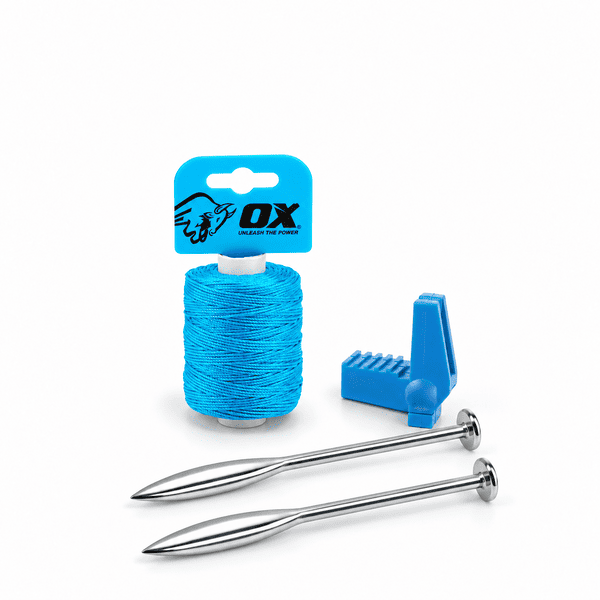
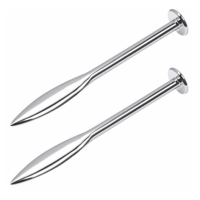
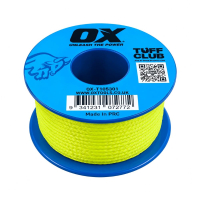
Browse our brick lines and accessories for line, pins and blocks. Consider the working span, fixing positions and quantity of accessories needed for your setup.
Handling Mortar and Laying Bricks and Blocks
Mixing small quantities of mortar, transferring it from a bucket and spreading it for laying require tools suited to each task. When selecting hand tools, consider their intended use, blade dimensions, handle shape and weight.
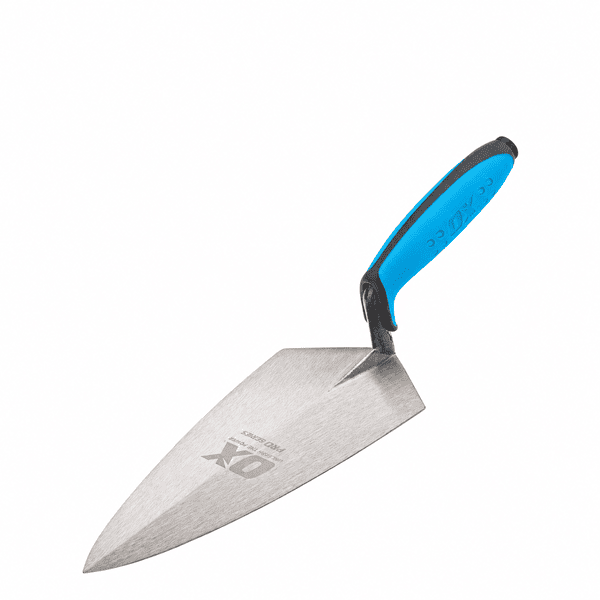
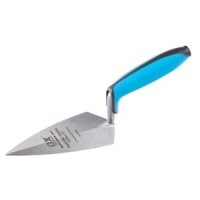
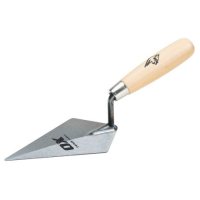
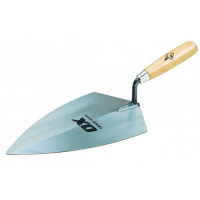
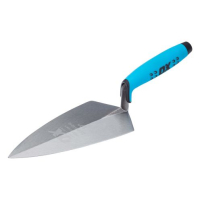
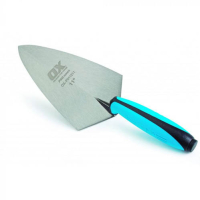
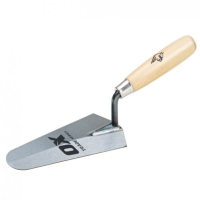
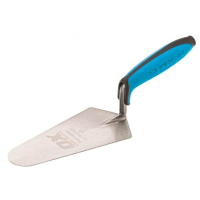
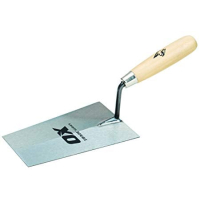
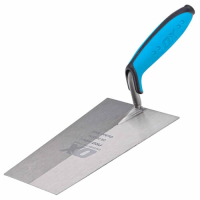
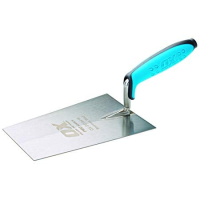
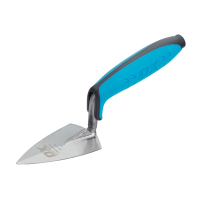
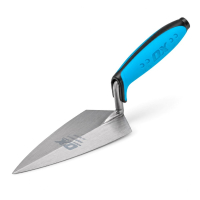
Explore our bricklaying trowels for mortar handling and laying work. Individual product pages provide the dimensions and material specifications to help you choose tools suited to the bricks or blocks you are using.
Finishing Joints and Repairing Existing Brickwork
Joint work calls for tools that suit the joint width, access available and required finish. For repairs, consider the existing joint profile and the condition of the surrounding masonry. The working part of the tool should allow you to place or finish mortar within the joint without damaging the brick edges.
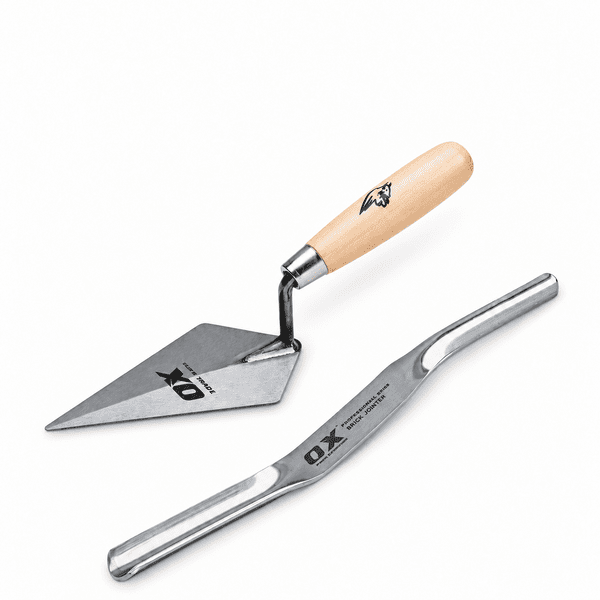
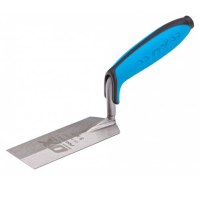
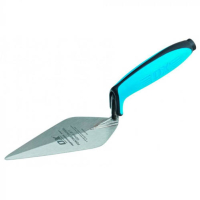
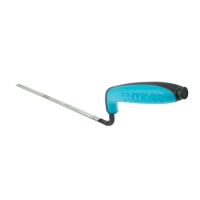
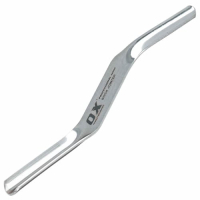
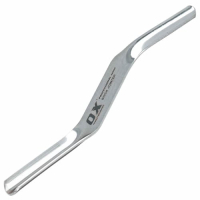
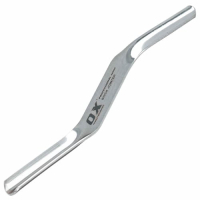
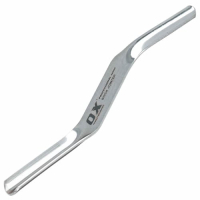
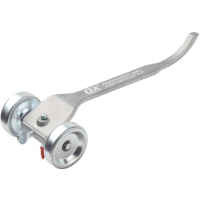
Browse our pointing trowels and brick jointers for tools used in joint preparation, mortar placement and finishing. Choose individual items according to the task, whether you are completing new brickwork or carrying out localised repairs.
FAQs
What tools do I need for bricklaying?
For basic bricklaying, you’ll need a brick trowel, spirit level, tape measure and brick line with suitable pins or blocks. Have a bucket or mortar board ready, along with equipment for mixing the mortar. Depending on the joint finish, you may also need a pointing trowel or brick jointer.
What is the difference between a brick trowel and a pointing trowel?
A brick trowel has a larger blade for picking up and spreading mortar when laying bricks or blocks. A pointing trowel lets you place smaller amounts of mortar into joints and reach areas where a full-size blade would be awkward.
Can a brick line replace a spirit level?
No, you need both to check different things. A taut brick line guides the position of each course, but poorly positioned fixing points or a sagging line can lead you off course. Use a spirit level to check that the courses are level and the wall is upright.
What is the difference between a brick jointer and a joint raker?
A brick jointer presses and shapes fresh mortar to give the joint its finished profile. A joint raker takes mortar back from the joint face to leave a recess or help prepare it for pointing. It removes material rather than compacting it, so the two tools do different jobs.
When should I finish mortar joints with a brick jointer?
The mortar should be firm enough to hold its shape without smearing, but still soft enough to work with the jointer. How quickly it reaches that stage depends on the mix, the weather and how much moisture the bricks absorb. Work at a similar stage of firmness across the wall to keep the finish consistent.
Can I use the same tools for laying bricks and concrete blocks?
Yes, many of the same tools are used for both, including brick trowels, lines and spirit levels. With larger blocks, choose a blade that lets you spread the mortar comfortably and evenly. Thin-joint block systems may need dedicated applicators, so check the system instructions.
How do I clean bricklaying tools after use?
Wash mortar off with water and a suitable brush before it hardens on the tools. Dry metal parts thoroughly before putting them away, and keep them somewhere dry to help prevent rust. Avoid knocking tools together to loosen dried mortar, as this can damage the edges.