

Filters
Shopping Options
Props & Trestles
Props and trestles provide practical support for structural work, low-level access and material handling on site. Acrow props are used for planned temporary support, while adjustable trestles can hold suitable scaffold boards for decorating, plastering and maintenance tasks. Choose each product according to the required height, load, ground conditions and intended application.


Choosing the Right Support Equipment for the Job
Acrow props and builders trestles perform different roles on site, so the correct choice depends on whether the job involves temporary structural support, material support or access at height. Acrow props are used within planned temporary works, while builders trestles support suitable boards to form low-level platforms or workbenches. Before ordering, confirm the working height, expected load, ground conditions and whether the equipment is suitable for the planned task.
Acrow Props for Temporary Structural Support
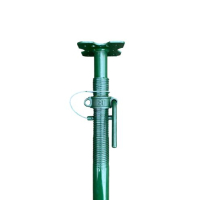
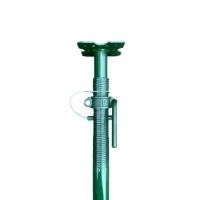
Building props are telescopic steel supports used temporarily beneath walls, floors, beams and other construction elements during alterations, repairs or installation work. For projects requiring a shorter adjustable support, the acrow prop size 1 can suit compatible temporary works within its stated height and load range. Always confirm the required prop size, spacing and arrangement against the temporary-works design before installation.
Typical uses include:
- Wall alterations – Temporary support while openings, lintels or structural elements are being installed.
- Floor support – Holding suitable beams or formwork within an engineered temporary arrangement.
- Repair work – Supporting affected areas while damaged components are replaced or strengthened.
- Concrete work – Supporting compatible formwork until the concrete has achieved the required strength.
- Refurbishments – Providing temporary support during controlled changes to an existing structure.
Support props are temporary equipment rather than permanent structural columns. Temporary works must be designed, installed and maintained to withstand foreseeable loads, with manufacturers’ instructions followed when selecting and using temporary supports. More complex propping arrangements may require calculations and competent professional input.
Builder’s Trestles for Working Platforms and Material Support
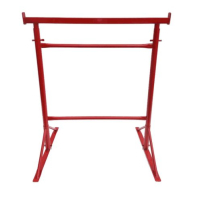
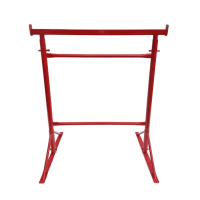
Adjustable trestles provide a practical base for suitable working platforms during decorating, plastering, brickwork and general maintenance at low levels. size 2 trestles offer an adjustable working height for compatible platform arrangements, but the supporting surface, trestle spacing and total platform load must remain within the product limits.
When setting up scaffolding trestles, check:
- Platform width – Provide enough space for the user, tools and safe movement.
- Board support – Position trestles so the boards are adequately supported without excessive overhang.
- Surface condition – Place the legs on firm, level ground that can carry the intended load.
- Working height – Use the lowest practical setting and lock adjustable components securely.
- Total load – Include workers, tools and materials when assessing the platform load.
- Access method – Provide a safe way to step onto and leave the platform.
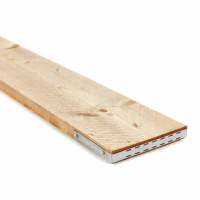
Only use suitable scaffold boards or platform components intended for the equipment. Improvised boards, damaged trestles or unstable packing can create avoidable movement and fall risks.
Choosing the Correct Prop Size and Extension Range
An adjustable prop must cover the required height without being forced beyond its stated working range. Measure the clear distance between the supporting surfaces, then select a prop that reaches this height while retaining sufficient adjustment for accurate positioning.
Before choosing acrow props, consider:
- Closed height – The shortest usable length of the prop.
- Maximum extension – The highest position permitted by the product specification.
- Load capacity – The allowable load can vary according to prop size and extension.
- Bearing points – The top and bottom surfaces must be capable of accepting the concentrated load.
- Prop position – Props should be positioned as required by the temporary-works design rather than placed by estimation.
- Accessories – Strongboys, needles or heads must be compatible and used only for their intended purpose.
Never assume that a larger prop automatically provides greater capacity at every extension. The required number, spacing and arrangement of props should come from the project design, particularly when supporting structural walls, floors or beams.
Safe Setup: Load Position, Ground Conditions and Stability
Both props and trestles depend on stable supporting surfaces. Before use, inspect the equipment for bent tubes, damaged threads, missing pins, cracked welds, distorted feet or other defects that could affect safe operation.
For temporary propping, the load should pass through suitable bearing surfaces and remain correctly aligned with the prop. Soft ground, damaged floors, voids, drains or weak masonry may require properly designed spreaders or additional measures rather than improvised timber packing.
For working platforms, assess the risk of falling and choose equipment appropriate to the height and duration of the job. HSE guidance requires work at height to be planned and organised safely, with suitable precautions taken to prevent falls.
Props, Trestles vs Ladders and Work Platforms: Which Should You Use?
Choose equipment according to the task, required access and intended load.
- Props – Used for temporary structural support during planned alterations, repairs and construction work.
- Trestles – Used to support suitable boards or materials during controlled low-level work.
- Ladders – Best suited to short-duration access tasks where the user can maintain a secure position.
- Work platforms – Provide a standing area for compatible decorating, maintenance and installation tasks.
Props must never be used as access equipment, while trestles should not be treated as structural supports. For suitable ladders and purpose-made platforms, explore our range of ladders & work platforms range.
FAQs
Can Acrow props support a load at an angle?
Acrow props are generally intended to carry axial loads while positioned vertically between suitable bearing surfaces. Using a prop at an angle can introduce sideways forces, slipping and instability that the standard setup may not be designed to resist. Any raking or angled support arrangement should be specified by a competent temporary-works designer rather than improvised on site.
Do Acrow props need regular checks while in use?
Yes, installed props should be checked regularly and after any event that could affect their condition or stability. Inspections should look for movement, settlement, loose adjustment collars, damaged components and changes to the supported structure. Props must not be moved, adjusted or removed without approval from the person responsible for the temporary-works arrangement.
Can ordinary timber boards be used on builders’ trestles?
Ordinary timber boards should not automatically be treated as suitable working-platform boards. Timber may contain hidden defects or lack the strength, grading and dimensions required for the intended span and load. Use compatible scaffold boards or purpose-made platform components whose condition and load limits can be confirmed.
How many Acrow props do I need?
There is no standard quantity because the requirement depends on the supported load, span, structure, prop capacity and extension. Prop numbers and spacing should be calculated as part of the temporary-works arrangement rather than estimated from a similar-looking project. Structural or higher-risk work should be assessed by a competent person before props are ordered or installed.
Can Acrow props be used permanently?
Acrow props are temporary support equipment and should not replace a permanent structural element. Permanent supports must be designed for long-term loading, stability, durability and the conditions within the building. Leaving an Acrow prop in position indefinitely does not convert it into an approved permanent column.
Can builders’ trestles be used outdoors?
Builders’ trestles may be used outdoors when the product is suitable and weather or ground conditions do not compromise stability. Avoid use on soft, sloping, icy or waterlogged surfaces, and stop work when wind or rain makes the platform unsafe. After outdoor use, inspect steelwork, adjustment points and boards for corrosion, damage or deterioration before storage and reuse.