

Filters
Shopping Options
Ladders & Work Platforms
Ladders and work platforms provide practical access for building, maintenance, decorating and installation tasks at different working heights. The right option depends on reach, stability, task duration, available space and how often the equipment must be moved. Choose equipment that matches the job, load requirements and site conditions rather than relying on maximum height alone.
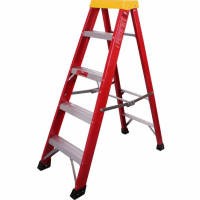 1.3M FIBREGLASS STEP LADDER:4 step & cap LFD150-£5.60From £98.40 £82.00 From £104.00
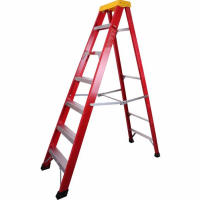 1.9M FIBREGLASS STEP LADDER: 6 step&tray LFD180-£5.94From £126.00 £105.00 From £131.94

Matching Ladders and Work Platforms to the Job
The right access equipment depends on the working height, available floor space, task duration and how frequently the user needs to reposition. Ladders suit many inspection, measuring, maintenance and installation tasks, while work platforms provide a broader standing area for decorating, surface preparation and repeated low-level work. Builders and experienced DIY users should select equipment according to the complete task rather than maximum reach alone.
Stability, Load Capacity and Safe Setup
Before use, inspect frames, feet, treads, hinges, spreaders and locking mechanisms for damage, contamination or excessive wear. Place access equipment on firm, level ground, keeping the surrounding area clear of opening doors, moving vehicles, trailing cables and loose site materials.
Key points to assess include:
- Working height – Allow comfortable access without standing on prohibited steps or overstretching.
- Safe reach – Consider the user’s position rather than only the equipment’s overall height.
- Load rating – Include the user, tools and materials carried during the work.
- Task duration – Longer jobs may require a wider and more comfortable standing area.
- Ground conditions – Avoid soft, sloping, wet or unstable supporting surfaces.
- Locking parts – Fully engage spreaders, catches and extension mechanisms before climbing.
Step ladders can suit short-duration work where users can maintain a secure position and avoid sideways overreaching. Tasks involving sustained work, heavier tools or frequent movement may be better completed from suitable portable work platforms. Work at height should be planned around the task, site conditions and the operating limits of the selected equipment.
Transport, Storage and Everyday Site Use
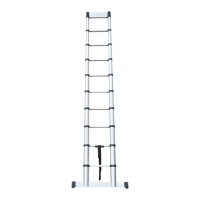
Storage length and handling weight are important for tradespeople moving equipment between properties or carrying it in vans. The 3.8m telescopic ladder reduces to a compact stored length while providing adjustable reach for suitable access tasks. Its sections must be fully locked before use, with the mechanism kept clean and operated in the correct sequence
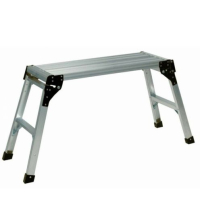
Larger trade ladders can require more transport and storage space but may offer faster setup for repeated site work. Folding platforms are practical for painting, plaster preparation, fitting services and snagging because they can be repositioned around a room without repeatedly climbing down long access equipment. Store all equipment securely, away from impacts, moisture and materials that could damage the feet, frames or locking components.
For temporary structural support and boarded low-level arrangements rather than climbing access, explore our Props & Trestles category.
Step Ladders, Telescopic Ladders and Portable Work Platforms
Each type offers a different balance of working area, reach and portability:
- Step ladders – Freestanding access for measuring, inspection, light installation and property maintenance.
- Fibreglass step ladders – Options with non-conductive stiles, commonly selected for electrical and maintenance environments.
- Telescopic ladders – Compact solutions where adjustable reach and reduced storage length are priorities.
- Portable work platforms – Broad, low-level surfaces for decorating, preparation and repeated movement along walls.
Fibreglass construction can reduce conductivity through the stiles, but it does not remove electrical hazards or replace correct isolation procedures.
Platform Ladders vs Wooden Loft Ladders: Temporary or Permanent Access?
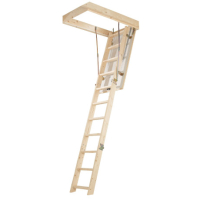
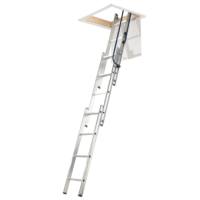
Platform ladders are portable products used for temporary access during maintenance, decorating and installation work. By comparison, a 3 section loft ladder provides a dedicated access route through a compatible loft opening. Selection should consider the opening dimensions, floor-to-ceiling height, available clearance and installation requirements.
Wooden loft ladders are fitted to provide a dedicated route through a compatible loft opening. Selection should consider the opening dimensions, floor-to-ceiling height, available clearance and installation requirements rather than portability.
For a wider selection intended specifically for roof-space entry, explore our Loft Ladders category. Choose portable equipment for changing work locations and fitted loft access where regular entry to a roof space is required.
FAQs
How do you fit loft ladders?
Measure the loft opening, floor-to-ceiling height and available operating clearance before choosing a compatible model. Fix the ladder or complete loft-access unit to sound structural framing using the supplied instructions and specified fixings. After installation, test the opening, section movement and operating position before regular use.
How much are loft ladders?
Loft ladder prices vary according to material, number of sections, dimensions and whether a hatch or complete access unit is included. Compare the total installed cost because additional framing, trimming, fixings or alterations to the opening may be required. Check the individual product page for current pricing, dimensions and installation requirements.
How do loft ladders work?
Loft ladders fold, slide or concertina into the roof space when they are not being used. Opening the access hatch allows the sections to unfold or extend until fully deployed according to the product instructions. The ladder should be positioned correctly and checked for secure operation before climbing.
How often should step ladders be inspected?
Step ladders should receive a pre-use check at the beginning of each working day and after any event that could cause damage. More detailed inspections should be completed regularly, with the interval based on usage, site conditions and the manufacturer’s guidance. Remove any ladder with damaged stiles, worn feet, loose hinges or faulty spreaders from use.
How do you use step ladders safely?
Open the step ladders fully, engage the spreaders and ensure all feet rest securely on a stable surface. Face the steps, avoid overreaching and carry only light tools or materials that allow a secure handhold. Use different access equipment when the task requires prolonged work, heavy materials or frequent sideways movement.
Are telescopic ladders safe?
Telescopic ladders can be safe when they are suitable for the task, undamaged and operated according to the manufacturer’s instructions. Check before every use that each section and locking mechanism is clean, fully engaged and working correctly. Choose different access equipment for prolonged work, significant side loading or repeated sideways movement.